Creditors Bleed Losses As Major African Climate Tech Flop Faces Asset Firesale
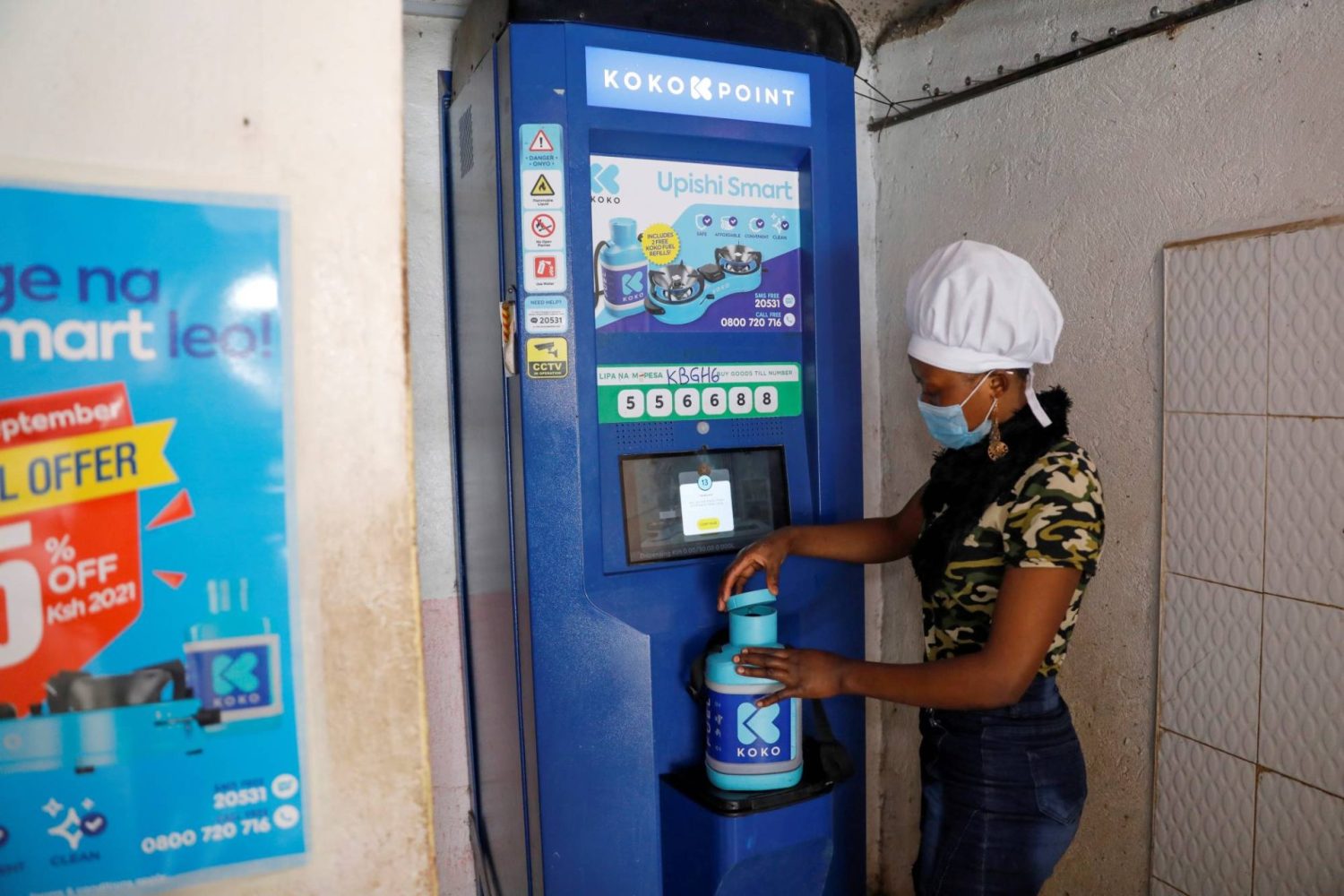
The administrators of Koko Networks have begun marketing the company’s core ethanol cooking technology and an Indian manufacturing plant, in the first major step toward winding down one of Africa’s highest-profile climate technology failures.
The sale follows the company’s collapse in January after the Kenyan government rejected a Letter of Authorisation needed to sell carbon credits internationally. Without that approval, Koko lost access to the revenue stream that subsidised ethanol fuel prices for more than one million Kenyan households.
PwC, which is overseeing the administration, is seeking buyers capable of transactions exceeding USD 15 M, inviting expressions of interest by July 17 for Koko’s integrated ethanol cooking technology and manufacturing platform.
The assets include the company’s intellectual property portfolio—patents, hardware designs and software technologies developed over more than a decade—as well as its stove and canister manufacturing plant in Sanand, Gujarat, India. The fuel distribution and retail platform that supported more than 3,000 automated fuel stations across Kenya is also up for sale.
Founded in 2013 by Gregg Murray, Koko was backed by Microsoft’s Climate Innovation Fund, Mirova, Verod-Kepple and Rand Merchant Bank. The World Bank’s Multilateral Investment Guarantee Agency also backed the business with a USD 179.6 M guarantee. The company had invested more than USD 300 M in building its network.
But investors are now staring at massive losses. Creditors of the collapsed startup face losses of up to KES 22 B (USD 170 M) after the company’s assets were deemed insufficient to meet its obligations.
New filings by the Kenya-based company’s UK parent show total debts of GBP 127.2 M (USD 170 M) against assets of just GBP 1.45 M (USD 1.9 M) available to preferential creditors. The bulk of the claims comes from Koko’s affiliate entities, including Koko Networks Carbon Finance UK (GBP 44.2 M; USD 59 M) and Koko Networks Kenya (GBP 43.7 M; USD 58.4 M).
Koko’s collapse exposed the vulnerability of climate startups whose business models are built on carbon credit revenue rather than direct consumer margins. The company was betting on access to compliance carbon markets, where airlines use credits to offset their carbon footprint.
But the Kenyan government declined to issue the Letter of Authorisation required to sell those credits, with officials saying Koko’s scale of issuance risked absorbing most of Kenya’s available international carbon quota.
The irony is that Koko had spent over a decade building one of Africa’s most extensive clean-cooking distribution networks. It served about 1.5 million low-income households, significantly reducing indoor air pollution for urban and peri-urban families. It employed more than 700 people.
Now, that network is being broken up. Koko’s collapse has left more than one million households without supply and raised doubts about whether carbon-subsidised utility models can scale without direct fiscal support or higher end-user pricing. The shutdown has also exposed Kenyan taxpayers to potential liability to the tune of billions of shillings through a political risk guarantee issued by the World Bank, which insures against government breach of contract.
Feature Image Credits: Reuters