Meet Anthony Natif, The Founder Who Is Putting Uganda Back On the Startup Map

By  |  August 4, 2023
Over the past three years, the startup ecosystem in Uganda has seen an average of 11 investment deals and one startup acquisition per year. While some startups like SafeBoda, Ensiibuko, Asaak, Numida, and Tugende have gained recognition, the local venture capital and investor scene remain largely underdeveloped. Additionally, there are few initiatives to support startups in the country.

When I visited Kampala two months ago, I noticed that the ecosystem is not well represented in the African tech industry. Despite the difficulties that entrepreneurs face in creating solutions for this market, their contributions have not been acknowledged on a larger scale.

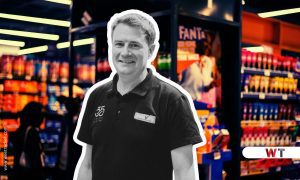
But among these challenges, there's the story of Anthony Natif, which serves as a good example of seizing the opportunity. Recently, Guardian Health Limited (GHL) was in the news for a successful acquisition by Kenya-based MyDawa. Operating through 19 stores at the time of acquisition, Guardian Health was valued at around USD 12 M at the time of exit, as per Natif.

Private equity firm Alta Samper bought 100% equity in GHL via its investee company MyDawa.

Back in 2012, while he was still a student at The University of Washington, Natif founded Guardian Health Limited. Some may argue that if one can afford to attend a foreign university, one can start a company too. However, I learned that Natif is the youngest of over 20 siblings, and his father was a schoolteacher. Throughout his student years, he was mostly advanced to the next class on scholarships.

Most Read


Fintechs Are Going All In As Stablecoins Quietly Flip The Script In Africa

A quiet revolution is brewing in Africa’s financial sector, and stablecoins are at


Why Egypt And Morocco Can’t Ignore Crypto Anymore

Crypto has become an immovable force in today’s global financial economy. Yet for


Who’s Funding Africa’s Next Tech Chapter? Top 10 Most Active Investors in 2025

2025 is shaping up to be one of Africa’s most consistent funding years