Egypt Bets USD 100M On MSMEs in 2025 Budget, Prioritises Sector In Growth Plans
Egypt is putting real money behind its belief in small business. Starting July 1, the government is unlocking EGP 5 B (USD 100 M) for micro, small, and medium-sized enterprises (MSMEs), marking the largest support package of its kind to date.
The numbers explain the urgency. With a population of over 106 million, the largest in the Arab world, Egypt is grappling with high youth unemployment, a growing informal economy, and a widening gap between talent and opportunity.
More than 60% of Egyptians are under 30, and around 700,000 new job seekers enter the market every year, according to Egypt’s Central Agency for Public Mobilisation and Statistics (CAPMAS). But only a fraction find stable employment, especially in the formal sector.
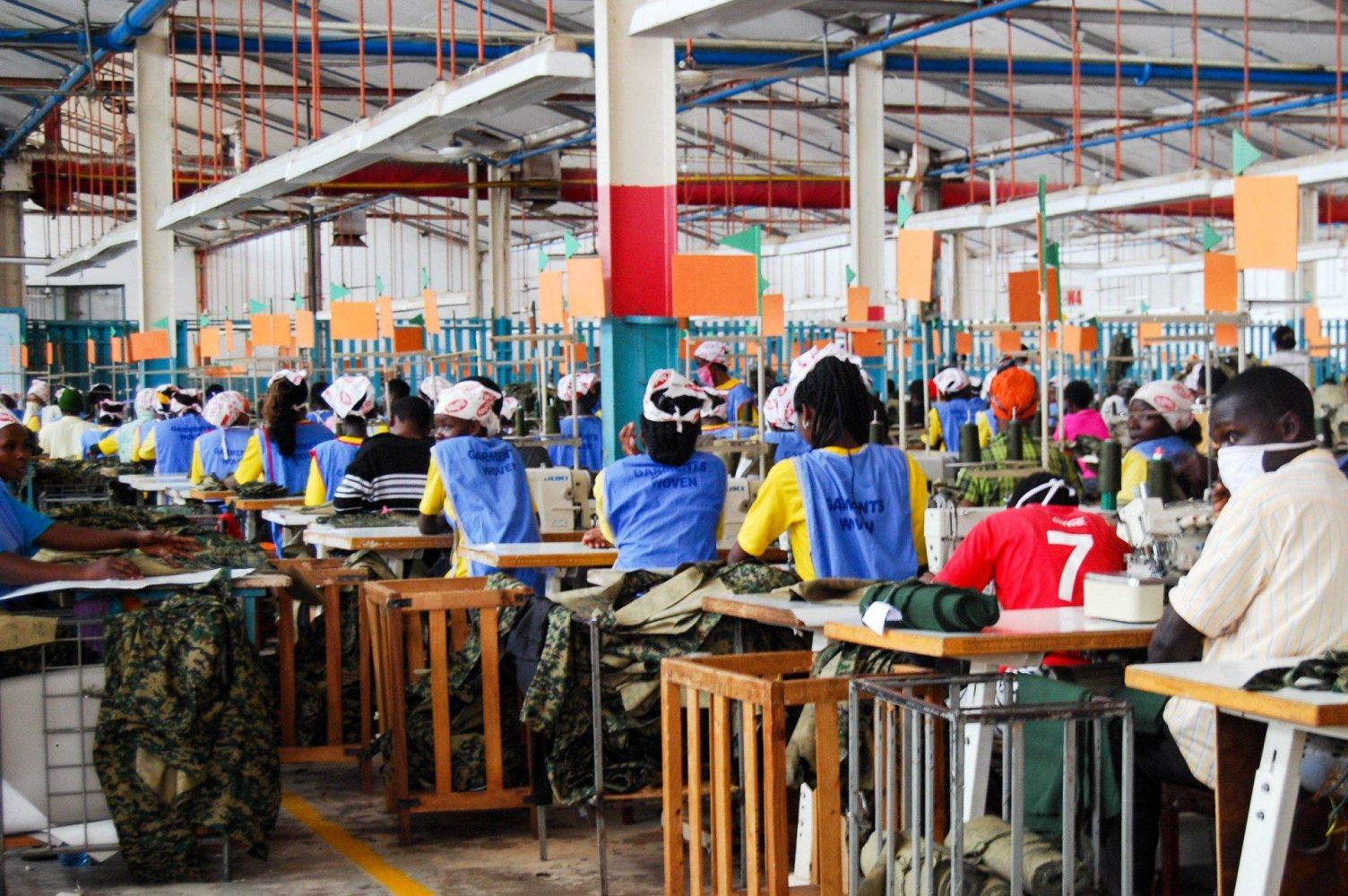
Micro, small, and medium enterprises are a capable part of Egypt’s economy that could cater to this gap, but remain largely underfunded. This largely informal sector makes up 90% of Egypt’s private sector, produces EGP 1.2 T (USD 24 B) in value, and employs 75% of the workforce. This is where the new funding will find leverage.
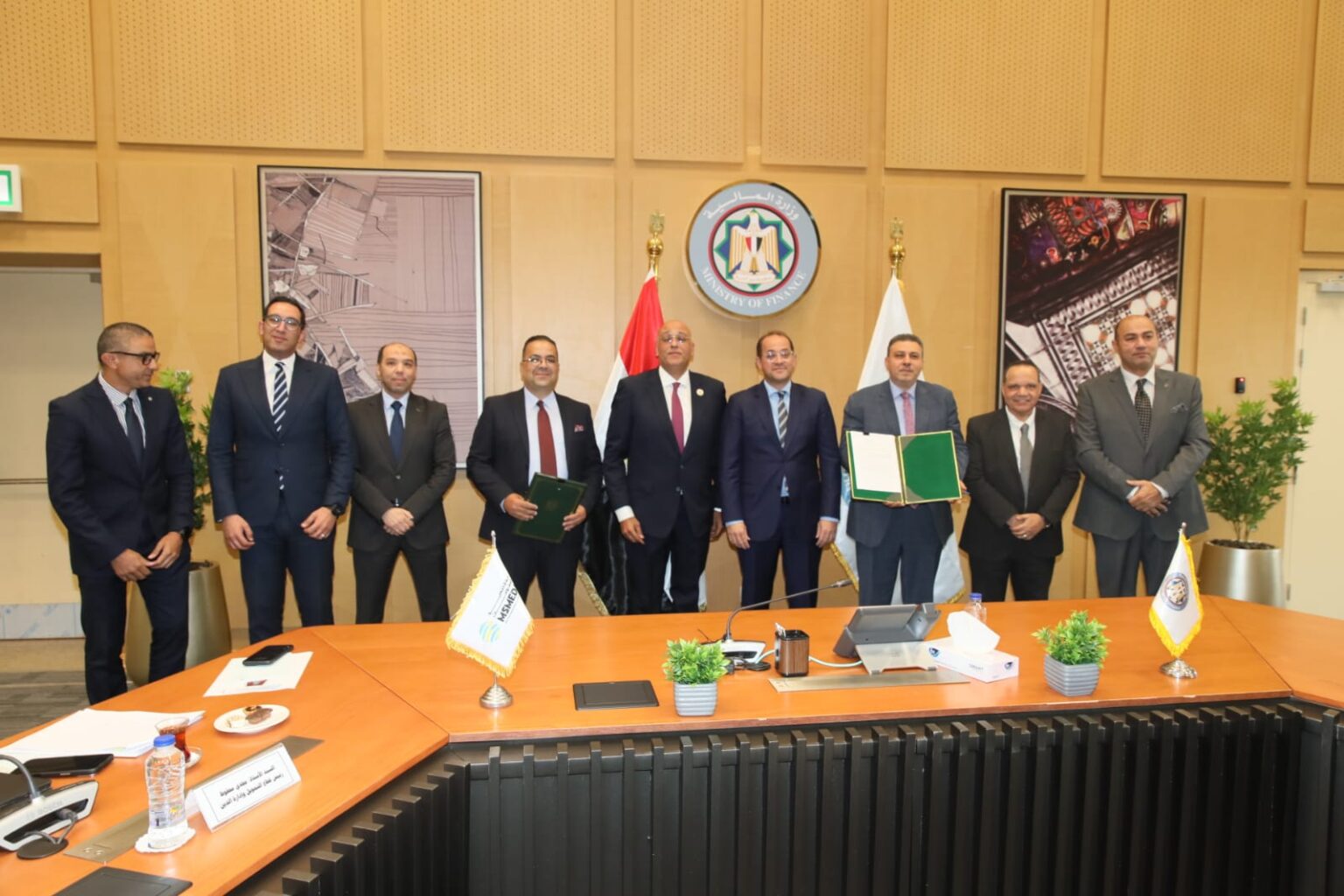
The new financing package, part of the FY2025/26 state budget, comes through a cooperation protocol signed by Finance Minister Ahmed Kouchouk and MSMEDA CEO Bassel Rahmy as reported by Daily News Egypt.




The funding, built into the 2025/2026 state budget and effective as of July 1, aims to widen access to affordable financing for startups and young entrepreneurs, especially in high-impact sectors.
“This is a new phase of strategic cooperation,” said Kouchouk. “We’re focused on financial sustainability, job creation, and long-term growth—not short-term subsidies.”
The funding will be administered by MSMEDA and tailored to support early-stage ventures, young entrepreneurs, and businesses operating in key productive sectors. The priority is to reduce financing costs, widen access to capital, and use fiscal tools to accelerate the formalisation of the economy. This protocol is a pivot away from short-term subsidies and toward investment-led, structural reform.
Rahmy called the agreement a “game-changer” for emerging businesses: “This partnership shows a real commitment to harnessing the power of small enterprises to drive innovation and growth.”
Crucially, the protocol also supports businesses under Egypt’s new simplified and unified tax system. For the first wave of businesses entering the new tax regime, the ministry promises competitive lending terms to ease the transition and encourage formal registration. This is one of the policy’s bolder aims to use financial incentives to coax more businesses out of the informal shadows and into the national fold.
“This partnership reflects our shared belief in the power of small businesses to create jobs, fuel innovation, and drive inclusive growth,” said Rahmy. “Through the minister’s forward-thinking policies, we’re not just offering support, we’re building the infrastructure of opportunity.”
The cooperation protocol also signals a deeper, more strategic alliance between the Ministry of Finance and MSMEDA. The initiative is part of Egypt’s broader shift toward investment-based support for small businesses with a focus on formalising the informal economy, encouraging entrepreneurship, and deepening local manufacturing and export capacity.
In a country where three out of every four jobs come from micro, small, and medium enterprises, Egypt is making its priorities clear. By targeting resources at the heart of the economy, Egypt is betting big on its entrepreneurs to lead the next wave of sustainable growth.
It’s a clear signal that Cairo sees startups, family businesses, and young entrepreneurs beyong just a segment of the economy, but as the engine of it.