Morocco’s Central Bank Pushes Ahead With Digital Currency Initiatives
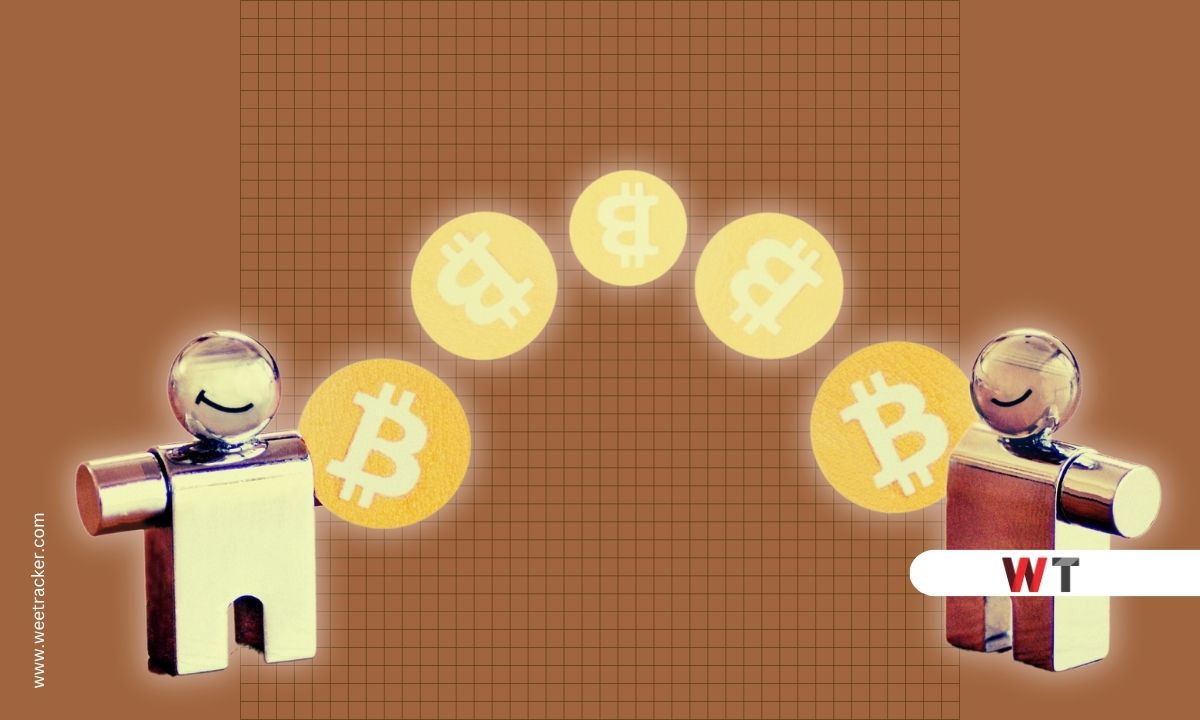
Morocco’s central bank is moving forward with plans to develop a sovereign digital currency as part of a broader effort to modernise its financial infrastructure and prepare for the digital economy.
Governor Abdellatif Jouahri announced that the bank has completed its first pilot program, which tested peer-to-peer retail digital payments. A second phase is now underway in collaboration with the Central Bank of Egypt and the World Bank, focused on cross-border transfers.
Speaking at the 2025 seminar of the Association of African Central Banks, Jouahri said the central bank is studying how digital currency can serve both wholesale and retail needs. He emphasised the importance of building a legal and regulatory framework to support full deployment, with active input from international partners including the IMF and World Bank.
The digital currency, known as the e-Dirham, is designed to reduce dependence on cash, streamline transactions, and expand financial access to unbanked populations.
The bank sees this as a strategic move to improve payment systems while addressing security and efficiency challenges in both domestic and international transfers.


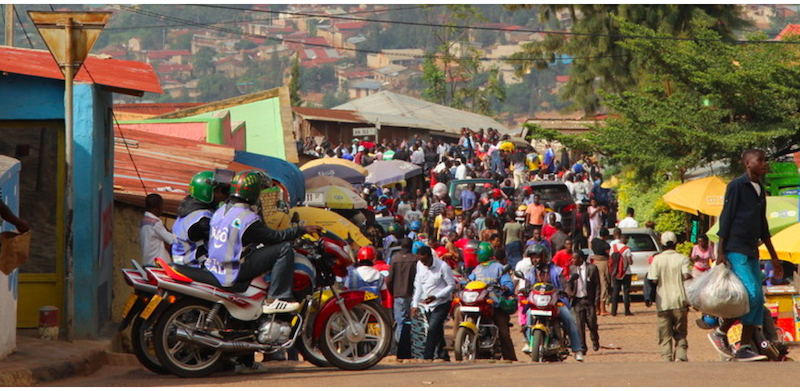





Morocco has banned cryptocurrencies since 2017, yet underground use remains widespread. An estimated 6 million Moroccans, or 16% of the population, currently own or use crypto. Despite the ban, the country’s crypto market is growing and is projected to reach nearly USD 280 M in 2025 and over USD 280 M in 2026.
To address this surge, Bank Al-Maghrib has drafted legislation aimed at regulating crypto assets. The proposal is under review by the Ministry of Finance before being submitted for adoption. Officials say the process includes coordination with other national regulators overseeing capital markets and insurance.
By pushing ahead with digital currency while tightening its approach to crypto regulation, Morocco is carving out a more defined path through the shifting global financial landscape. This stands in contrast to other North African countries like Algeria, Egypt, and Tunisia, where both digital currencies and cryptocurrencies remain off the table.