Ghana’s Central Bank Goes Tough (Again), Brings Fintechs Back Down To Earth
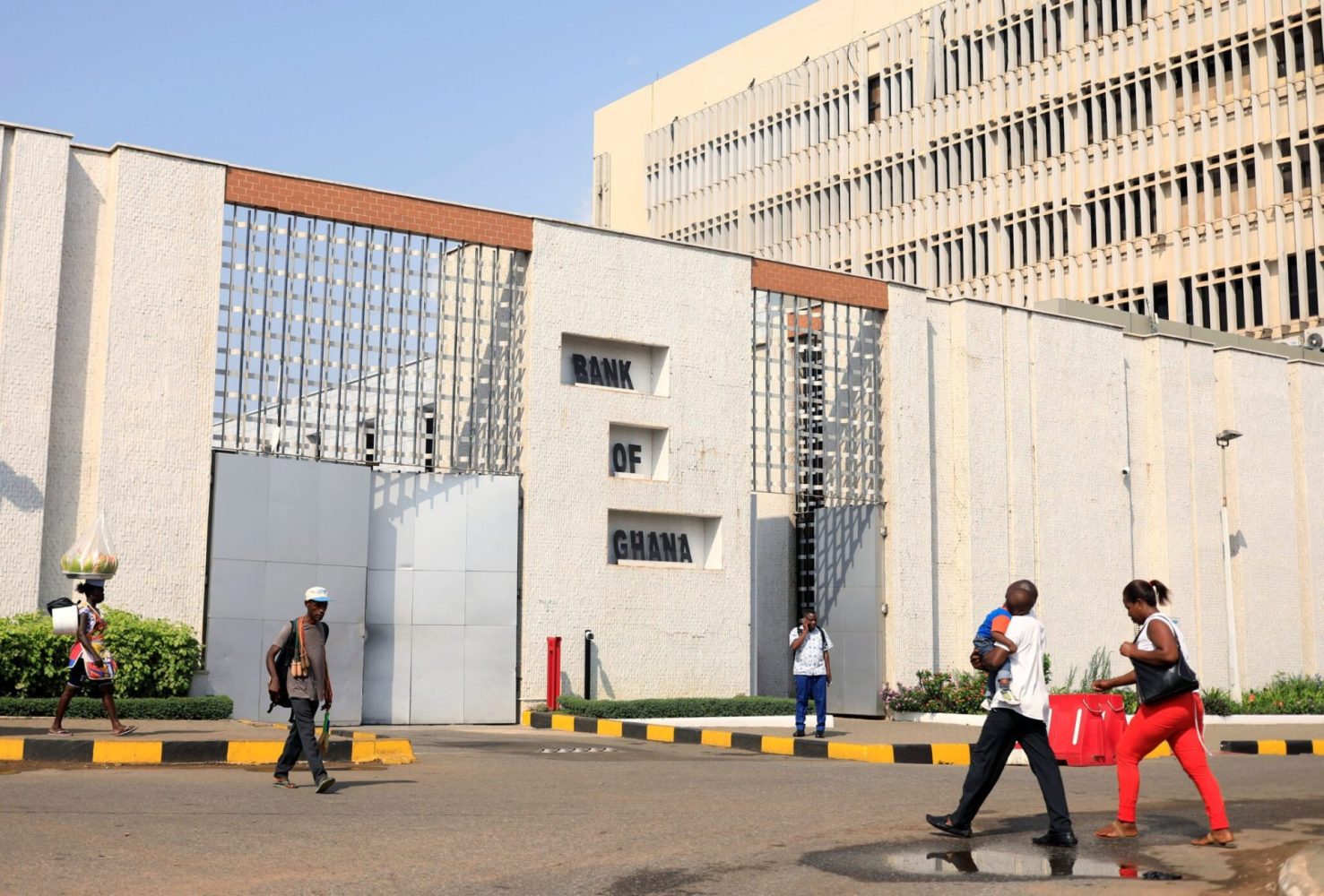
Ghana is familiar with waves of central bank enforcement, and another one is now washing through fintech and remittance players. Just days into September, the Bank of Ghana suspended five money transfer operators, including big names like Taptap Send and Afriex, as well as local payment service providers tied to them.
Settlement banks, too, are being held to account. UBA Ghana lost its foreign exchange trading licence for one month following unauthorised remittance activity. The regulator says these actions are in response to repeated breaches of inward remittance and FX rules, signalling yet another chapter in its tightening oversight.
Over the past few years, the BoG has displayed a propensity to publish updated remittance or FX guidelines, watch the industry stretch to comply, then surprise the market with enforcement, often suspensions that cause abrupt operational disruption.
These actions come in the name of preserving FX stability and tightening anti-money laundering protocols. For example, in 2023 the Bank revised its reporting requirements for inbound transfers, only to follow up in 2024 with renewed demands for transaction-level data. In other instances, companies such as Eversend and Yellow Card have been named to be operating afoul of rules in separate recent cases.
International money flows remain crucial as Ghana received about USD 6.6 B in remittances in 2024, a 43% increase from the previous year, per the Bank of Ghana. Agents and PSPs handle those flows, but the regulator’s tough public stance continues to make things tricky.








Industry response has been quietly urgent as multiple stakeholders cite ongoing internal reviews and declined courtesy quotes. But across fintech circles, a recurring sentiment is that partnerships are being reevaluated under threat of licensing sanctions. Settlement banks, seeing that the regulator will hold them responsible for any perceived partner noncompliance, may pull back or impose stricter terms when onboarding MTOs or remittance-linked PSPs.
At its core, the Bank of Ghana’s pattern is logical from a macro perspective. Ghana remains under international pressure to tighten financial controls, and high remittance inflows are an obvious target for audit. Public enforcement creates deterrence and shows regulatory muscle. But for users and operators, these episodes cause stress.
Featured Image Credits: REUTERS/Zohra Bensemra