Morocco Secures Africa’s First Battery Gigafactory in USD 5.6 B Deal with China
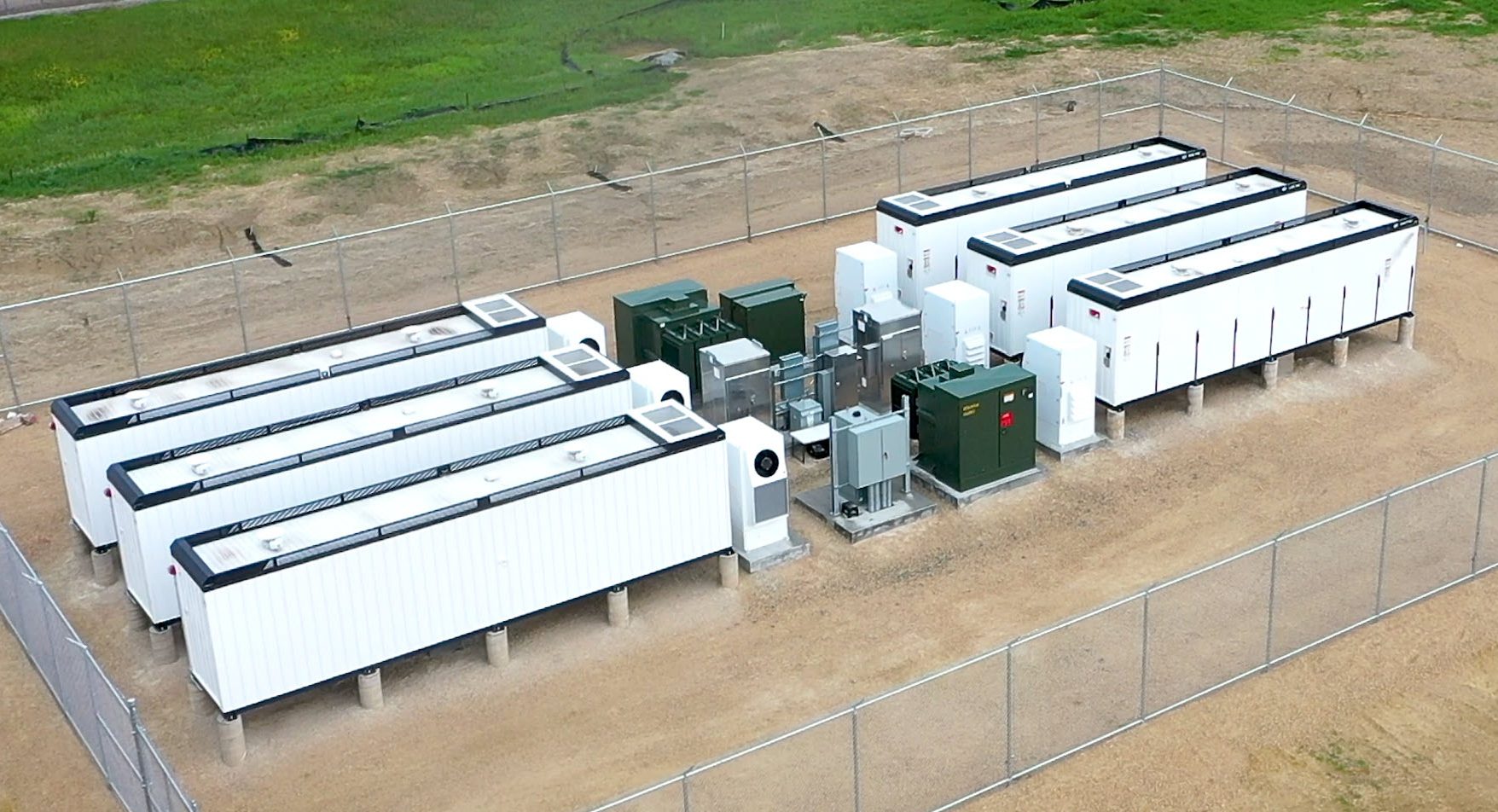
As the world accelerates toward cleaner energy and transport, Morocco is cementing its place on the global clean energy map with a landmark agreement to host Africa’s first battery gigafactory.
Backed by a USD 5.6 B investment from China’s Gotion High-Tech, the project is set to transform the North African kingdom into a major supplier of batteries for electric vehicles (EVs) and renewable energy storage, a strategic leap for both Morocco and the continent.
The gigafactory will be located in Kenitra, northwest Morocco, an industrial hub already home to major carmakers. Construction is underway, with production expected to begin in the third quarter of 2026.
The plant’s first phase will deliver 20 gigawatt-hours (GWh) annually, enough to power hundreds of thousands of EVs. At full capacity, the factory is designed to reach 100 GWh, placing Morocco among the world’s largest producers of advanced batteries.
A Mega-Project with Mega Impact
With a total projected cost of USD 6.5 B, the gigafactory ranks among the largest industrial projects ever launched in Africa. The initial phase alone involves USD 1.3 B in investment and is expected to create 17,000 direct and indirect jobs. Over the course of five development stages, the project is expected to employ more than 10,000 workers directly.






Unlike many assembly plants that depend on imported parts, the Kenitra facility plans to also produce cathodes and anodes, the critical components of lithium-ion batteries. This vertical integration reduces Morocco’s reliance on foreign supply chains and adds a layer of security and cost competitiveness that few other regions in Africa, or even Europe, can currently match.
“This is not just about production capacity,” said Khalid Qalam, Gotion’s Moroccan director, who confirmed that earthworks are complete and construction is set to accelerate. “It’s about building an entire value chain in Morocco that serves Europe, Africa, and beyond.”
Morocco at the Crossroads of the Energy Transition
For Morocco, the gigafactory is a strategic play. The country has spent the last decade diversifying beyond agriculture and textiles, and its automotive sector is already leading its exports, making it Africa’s leading car producer. In 2024, Morocco’s car industry posted record overseas sales of MAD 157 B (USD 15.7 B), cementing its place as the European Union’s top automotive supplier, surpassing China, Japan, and India.
With Europe preparing to ban new fossil fuel cars by 2035, demand for EV batteries is surging. Morocco is uniquely positioned to meet that demand. Around 85% of the gigafactory’s output will be exported to Europe, offering the bloc a reliable alternative to Asian supply routes that have dominated the sector.
The project also strengthens Morocco’s ties with global automakers already present in the country, including Renault and Stellantis, while opening opportunities to serve the fast-growing market for renewable energy storage in Africa and the Middle East.
Overall, the factory aligns with Morocco’s national strategy to retain skilled talent, foster innovation, and reduce economic dependence on traditional sectors. By pivoting toward high-tech industries, Morocco is securing its position in the future global economy.
China’s Strategic Play in Africa
The gigafactory underscores China’s deepening role in Africa’s industrial future. Gotion High-Tech, a leading battery producer, is spearheading the project, but it is not alone. Other Chinese companies, including BTR, CNGR, Hailiang, and Shinzoom, are investing heavily in Morocco’s battery and materials sector, setting up Morocco as a strategic hub for green technology in North Africa.
For Beijing, this is part of a larger strategy: pairing infrastructure and industrial investment to reshape global clean energy supply chains. Morocco’s location just across the Mediterranean from Europe makes it a natural bridgehead for China’s ambitions.
Meanwhile, China’s role in Morocco’s gigafactory is part of a wider push across Africa, where it has steadily expanded from railways and ports to energy and industrial projects in countries like Nigeria.
The implications extend far beyond Morocco. By hosting Africa’s first battery gigafactory, the country is setting a precedent for how the continent can move up the value chain from exporting raw minerals to manufacturing advanced clean technologies.
Ultimately, the Morocco-China partnership is more than an industrial deal. It is a symbol of a new era in which African nations are emerging as active players in the global energy transition. By anchoring the continent’s first battery gigafactory, Morocco has positioned itself as a bridge between Africa, Europe, and Asia in one of the century’s most strategic industries.