10 Women Reinventing African Agriculture — And Feeding The Future
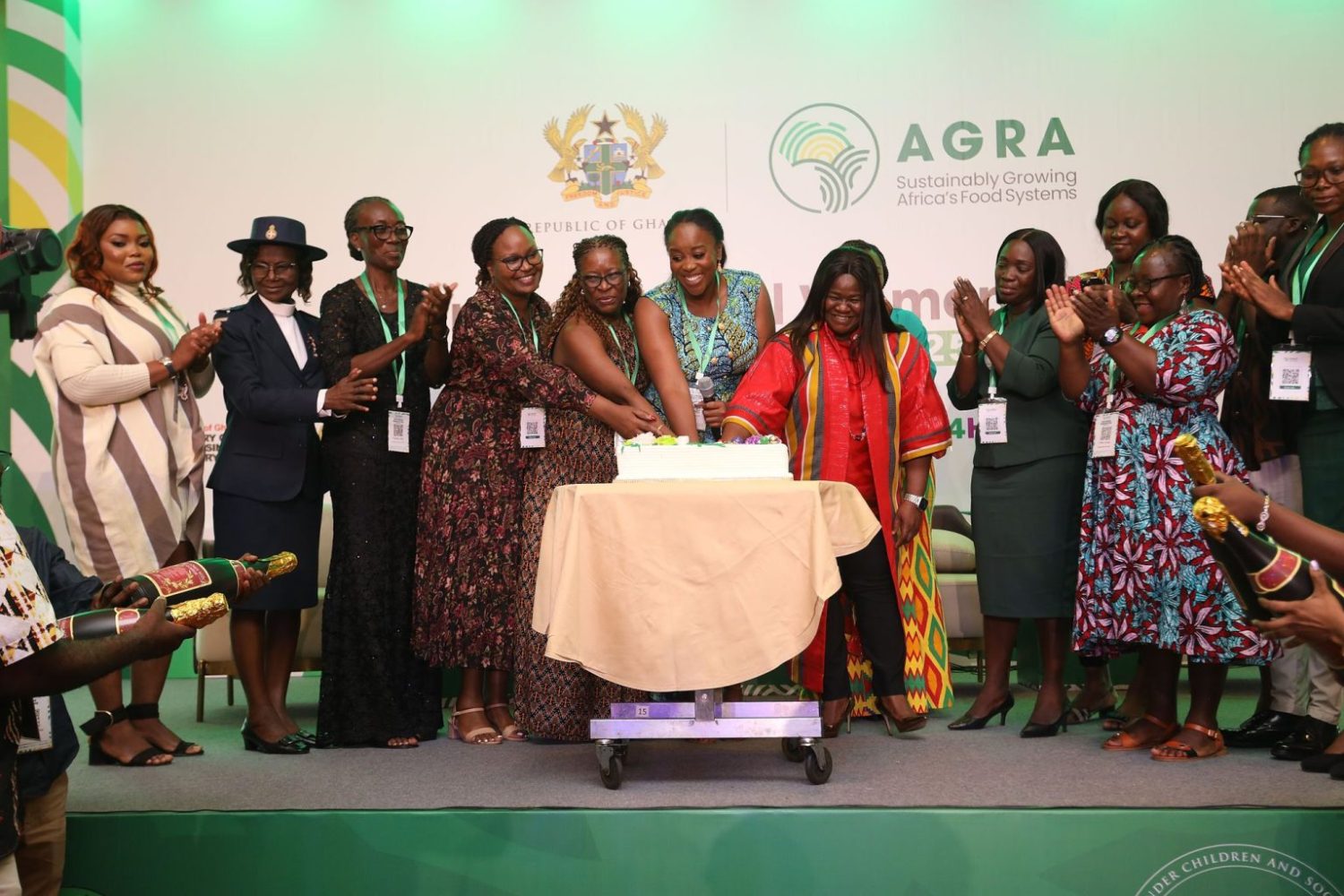
Africa’s food systems are getting a bold reboot from a new wave of women founders. Across the continent, a new generation of women founders is rewriting the story of agriculture, from fish farms on Lake Victoria to beekeeping collectives in Malawi.
At this year’s Women Agripreneurs of the Year Awards (WAYA) in Dakar, ten trailblazers were honoured for building game-changing agri-businesses that are transforming rural economies, cutting food waste, and putting nutritious food on the table — all while empowering thousands of women and youth.
Here are the powerhouse founders to watch:
1. Mathildah Amollo — Greatlakes Feeds (Kenya)
Amollo’s aquaculture venture produces eco-friendly fish feeds and high-quality fingerlings while supporting women farmers with credit-based cages and inputs. Her work fights malnutrition and overfishing in Lake Victoria and ends exploitative “sex-for-fish” practices by giving women real economic power.
2. Juliet Kakwerre N Tumusiime — Cheveux Organique (Uganda)
Tumusiime is turning discarded banana stems into Africa’s first biodegradable hair extensions. The innovation creates income for over 2,000 rural women and shows how agri-waste can be transformed into lucrative beauty products.





3. Julienne Olawolé Agossadou — SEDAMI: La Reine des Champignons (Benin)
Agossadou converts rice husks into fertile mushroom-growing substrate, enabling rural women to earn income and boost family nutrition with minimal land or resources.
4. Roberta Edu-Oyedokun — Moppet Foods (Nigeria)
Edu-Oyedokun is tackling child malnutrition with biofortified cereals and spreads, including the world’s first fruit-infused peanut spread. Her women-led company is reshaping Africa’s nutrition landscape one jar at a time.
5. Joyce Waithira Rugano — Ecorich Solutions (Kenya)
Rugano’s Ecorich Solutions created the solar-powered “WasteBot” that turns organic waste into fertiliser in just 24 hours. She works with 400+ women waste collectors, closing the loop from waste to soil health.
6. Onicca Sibanyona — Jwale Farms (South Africa)
A self-taught herbalist and mother, Sibanyona runs Jwale Farms while studying food innovation. She’s building resilient rural economies by supplying clean water, nutritious food, and climate-smart agribusiness training to young mothers.
7. Arlène — SEFACO (Burundi)
At just 24, Arlène founded SEFACO to get more women into fish farming. Her “Village-École des Femmes” model turns ponds into training hubs and business clusters, sparking local economic growth.
8. Baliqees Salaudeen-Ibrahim — Green Republic Farms (Nigeria)
Salaudeen-Ibrahim grows premium vegetables using greenhouse and soilless farming powered by renewable energy. She reduces post-harvest losses and emissions while training and employing rural women and youth.
9. Elie Mbeki Busha Pongo — La Fleur (Democratic Republic of Congo)
Pongo is reimagining everyday flavour with 100% natural bouillon cubes made from sustainably farmed ingredients. Her company gives young farmers stable markets while offering healthier seasoning alternatives.
10. Lusungu — Lweya Honey (Malawi)
Lusungu’s social enterprise empowers women and youth through beekeeping and forest conservation. Lweya Honey trains beekeepers, buys their honey at fair prices, and adds value through beeswax candles and balms.
Together, these founders have boosted local incomes by over 35%, saved millions of tonnes of produce from spoilage, and delivered food to more than half a million households, proving that Africa’s agricultural future is being shaped by women building businesses rooted in community, sustainability, and innovation.