Despite Rising Trade, Immigration Tension Clouds Japan–Africa Relations
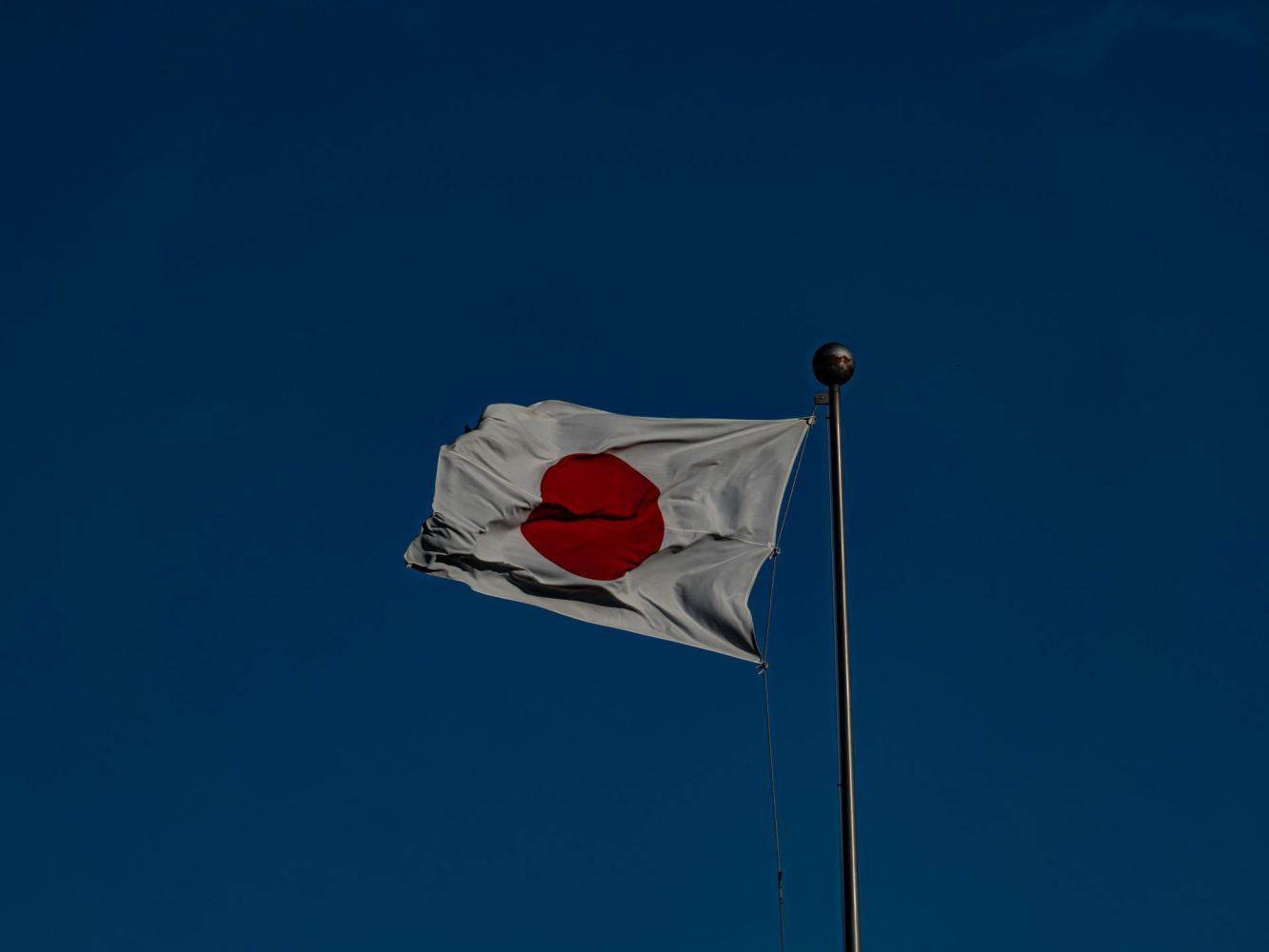
What was meant to be a friendly bridge between Japan and Africa has instead collapsed under the weight of rumor, fear, and political backlash.
The Japan International Cooperation Agency, better known as JICA, has announced that it will scrap its “Africa Hometown” initiative, a cultural exchange program launched in August with the goal of linking four African nations to four Japanese municipalities.
Japan maintains some of the strictest visa rules among advanced economies, with African countries often facing the toughest barriers.
This cautious stance has long shaped Tokyo’s engagement with the continent, limiting mobility even as Japan seeks to deepen trade and development ties.
JICA Retreats on “Africa Hometown” Amid Political Sensitivities
Against that backdrop, the Japan International Cooperation Agency (JICA) introduced its “Africa Hometown” initiative in August, only to cancel it weeks later amid protests and widespread misinformation.








The program, announced during the Tokyo International Conference on African Development in Yokohama, paired four African nations with four Japanese municipalities. Mozambique was linked with Imabari in Ehime Prefecture, Nigeria with Kisarazu in Chiba, Ghana with Sanjo in Niigata, and Tanzania with Nagai in Yamagata. JICA said the goal was to foster exchange and create opportunities for young people to act as bridges between the regions.
According to local Japanese media, the initiative quickly sparked rumors that it was a backdoor immigration scheme. Posts on social media claimed Japan was preparing to “call immigrants from Africa” and warned that “our hometown will be given away.”
The situation escalated when a Nigerian government website incorrectly announced that Japan would issue a new visa category for Nigerians to live and work in Kisarazu. Japanese officials rejected the claim, but the reports fueled suspicions.
NHK reported that online posts mentioning the “hometown” program reached more than 4.4 million accounts between August 23 and September 24. Calls for JICA’s disbandment circulated online, and protests were staged outside its headquarters in Tokyo.
According to local reports, municipal offices were overwhelmed. Imabari City officials received around 6,000 phone calls and emails in protest. Graffiti reading “Stop Immigration! Scrap It!” was found inside the city hall in early September. Staff members described themselves as physically and mentally exhausted, stating that the backlash had disrupted their ordinary work.

Under mounting pressure, JICA President Akihiko Tanaka announced the program’s cancellation, apologizing to the municipalities involved.
He emphasized that JICA “has never engaged in efforts to promote immigration, and has no intention of doing so in the future,” but acknowledged that confusion had placed “an excessive burden” on local governments.
The mayors of the four cities issued a joint statement expressing regret, noting that JICA had promised to take responsibility, but pledging to continue efforts to strengthen their municipal administrations.
Strains in the African-Japanese Relationship
The cancellation underscores how sensitive immigration remains in Japan, especially in relation to Africa. Despite growing trade, the broader relationship is often strained.
Africa has become a key arena for global competition, with China, the European Union, and the United States all expanding their presence through trade, aid, and investment. Japan also boasts a respectable trade relationship with the continent.
Although exports from Africa represent a small fraction of Japan’s overall commerce, just 1–2% over the past few decades, Japan’s trade with Africa reached about USD 25 B in 2024, as highlighted at the Tokyo International Conference on African Development (TICAD).
Japan has also positioned itself as a development partner with a focus on human resource training, infrastructure, and food security. In fact, at TICAD 9 in Yokohama, Tokyo pledged to increase support for Africa’s agricultural sector and strengthen supply chain cooperation. Initiatives like “Africa Hometown” were meant to complement this strategy by building grassroots connections.
Yet Japan’s restrictive visa policies continue to limit deeper engagement. African students and entrepreneurs often cite difficulties in obtaining Japanese visas compared to opportunities in Europe or North America.
For many in Africa, Tokyo’s message of partnership contrasts sharply with the barriers they face in practice. The backlash against “Africa Hometown” may further reinforce perceptions that Japan remains closed to people-to-people exchange, even as it seeks to expand economic ties.
At home, the episode highlights a paradox. Japan’s population is shrinking, and its labor force is under severe strain from aging demographics. While the government has cautiously expanded categories for foreign workers, public opposition to immigration remains strong, often expressed in fears of crime or pressure on social services.
The collapse of JICA’s initiative shows how quickly suspicion can derail even a symbolic cultural program, underscoring the political risks of any project perceived—rightly or wrongly—as linked to immigration.
For now, JICA has pledged to review its approach and find new ways to encourage exchange without triggering the same backlash.
But the episode has left a mark: what was intended as a gesture of goodwill toward Africa has instead revealed the limits of Japan’s openness, both real and perceived, and the difficulties of navigating immigration politics in a country still deeply resistant to change.