Africa Exports To The U.S. Under Pressure As AGOA Trade Benefits Expire
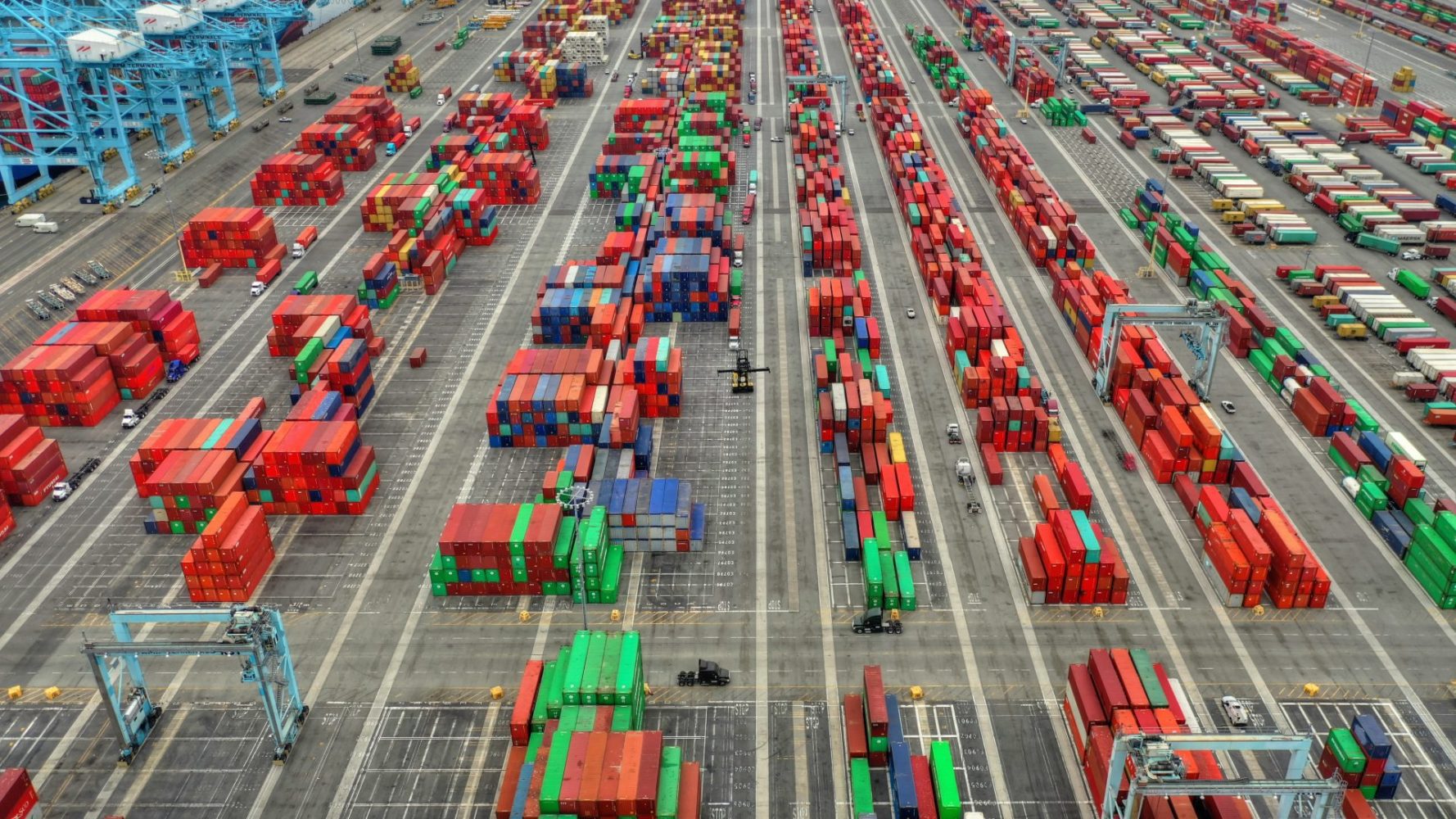
The lapse of a flagship U.S. trade initiative with Africa has thrown key export industries into uncertainty, threatening hundreds of thousands of jobs and reigniting debate over Washington’s economic engagement with the continent.
The African Growth and Opportunity Act (AGOA), which had granted duty-free access to thousands of goods from 32 sub-Saharan African countries for 25 years, expired at midnight on September 30 after U.S. lawmakers failed to agree on an extension.
The programme’s end, combined with new, broader U.S. tariffs introduced this year, is expected to hit Africa’s apparel and textile industries hardest. The new tariffs began to compound the problem in the months leading up to the final expiration.
Enacted by the U.S. Congress in 2000, the African Growth and Opportunity Act was designed to spur economic growth and integration in sub-Saharan Africa by granting eligible countries duty-free access to the U.S. market for over 6,000 product lines, ranging from textiles and footwear to agricultural goods and manufactured products.
To qualify, countries must meet specific criteria related to market-based economic reforms, the rule of law, and human rights. The U.S. president reviews eligibility annually, giving Washington leverage over participating governments.






The act helped African nations diversify beyond raw material exports by promoting value-added manufacturing and attracting U.S. investment. It also served as a key instrument of U.S. foreign policy, providing a counterweight to China’s growing influence in Africa.
Economic Impact
With AGOA now expired, the financial strain and prediction of job losses are already a major theme across all coverage. Research by the International Trade Centre (ITC) estimates that recent U.S. tariff measures could reduce projected exports from AGOA beneficiary countries by USD 189 M in lost exports.
The apparel and textile sector is expected to take the hardest hit, with a 9.7% decline in exports to the U.S., worth USD 138 M, according to ITC estimates. Other affected sectors include skins and leather (-3.3%), processed foods (-1.6%), and vehicles (-1.3%).
According to the ITC, the expiry of AGOA will increase duties sharply in value-added and labour-intensive sectors, where competitiveness relied heavily on duty-free entry. Tariffs on apparel alone are expected to rise by 14 percentage points, eroding much of the cost advantage the agreement once provided.
Manufacturers warn that even a temporary lapse could have lasting consequences. Pankaj Bedi, chairman of United Aryan (Kenya), a major supplier to U.S. retailers Target and Walmart, said factories are already under pressure.
“Companies do not have the sustainability to take any kind of losses,” Bedi said. “Some buyers are absorbing short-term costs, but if AGOA isn’t renewed by November, that support will disappear.”
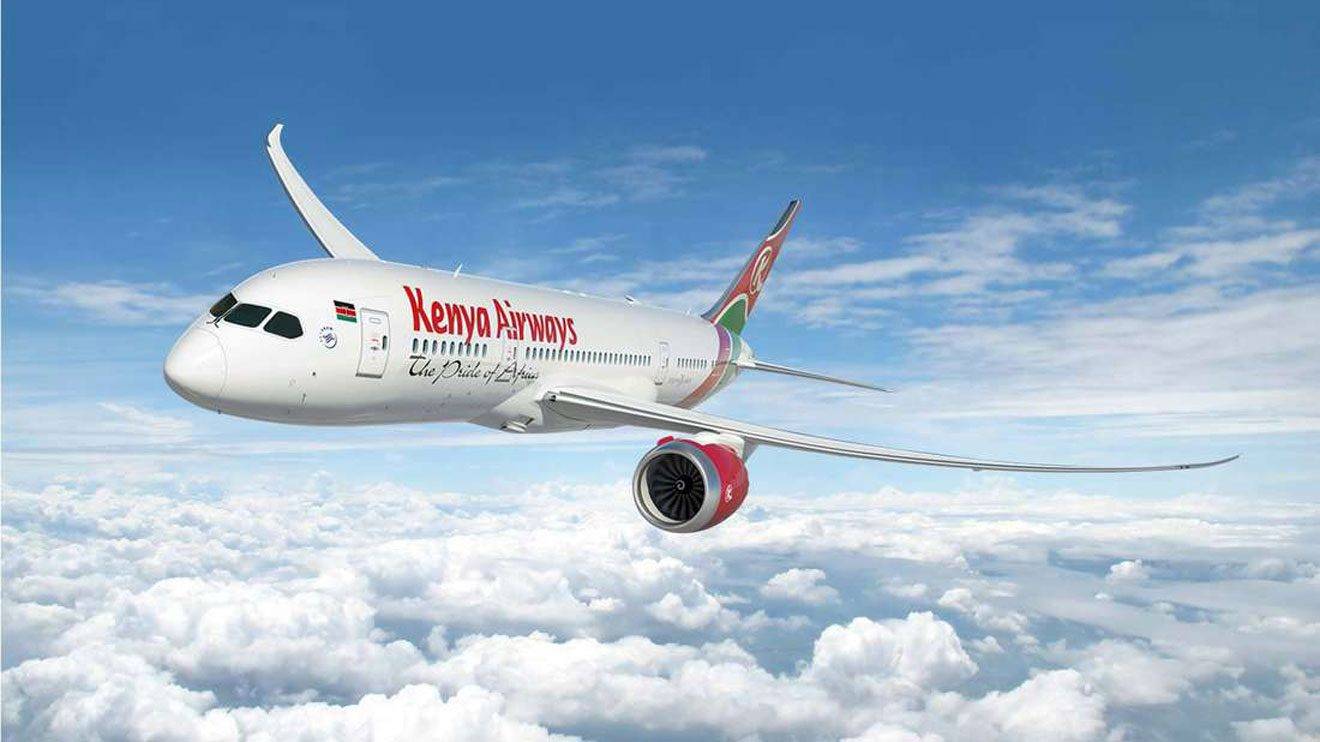
Countries that built export industries under AGOA’s “third-country fabric rule,” allowing least-developed nations to source materials globally while exporting finished garments duty-free, are particularly vulnerable.
Lesotho, for example, sends nearly 60% of its apparel exports to the U.S., worth about USD 230 M annually. Those goods now face a 15% tariff, leading to canceled orders and job cuts in an industry that employs 40,000 people.
Even before the expiration, South Africa, which accounts for roughly half of all AGOA exports, was already hit with a 30% across-the-board tariff under new U.S. trade measures in August. The National Association of Automobile Manufacturers of South Africa says car exports to the U.S. have dropped 83% so far this year. The country’s wine and citrus exporters are also redirecting shipments to markets such as Canada, China, and Japan to offset losses.
“Access to key markets is becoming more difficult, and African countries, especially the least developed, are feeling the strain,” said Pamela Coke-Hamilton, ITC executive director.
With the US already raising tariffs, Chief Economist Paulina Mamogobo emphasized that “Any benefits the industry previously derived from AGOA have essentially been nullified.”
However, the impact of AGOA’s expiry varies across countries. Oil and mineral exporters such as Nigeria, Angola, and the Democratic Republic of Congo, whose main exports already attract low U.S. tariffs, are largely insulated. But economies seeking to diversify through manufacturing are bearing the brunt.
Political Deadlock in Washington
AGOA’s renewal has bipartisan backing in Washington, with lawmakers describing it as a cornerstone of U.S.-Africa relations and a counterweight to China’s growing trade influence. However, political gridlock and competing legislative priorities have delayed progress.
Democratic Senator Chris Coons, a long-time AGOA supporter, co-sponsored a bill to extend the act by 16 years in 2024. But that proposal stalled amid other end-of-term priorities in the Biden administration, while the incoming Trump administration has focused on leveraging tariffs in bilateral trade talks.
The White House announced this week that it supports a one-year extension, but provided no timeline for action.
Two sources familiar with the discussions told Reuters that the administration opposes attaching the AGOA renewal to unrelated legislation, which would further slow the process.
China’s Expanding Role
As the US continues to sunset previous trade agreements and raise tariffs, China has, in the meantime, deepened its trade links with Africa. In June, Beijing announced zero-tariff treatment for 53 of Africa’s 54 nations, a move seen by analysts as an attempt to consolidate its position as the continent’s dominant partner.
U.S. officials have framed AGOA as a strategic tool to maintain influence. “It demonstrates America’s commitment to Africa’s young, growing population,” said Adrian Smith, a Republican member of the House Ways and Means Committee.
But analysts warn that prolonged uncertainty could undermine that commitment. “Simply renewing AGOA is not enough,” said Aude Darnal, a researcher on U.S.-Africa policy. “The question is what steps are being taken to address the structural challenges that have limited its impact.”
Since its inception in 2000, AGOA has enabled billions of dollars in African exports to the U.S. and supported an estimated hundreds of thousands of jobs. Yet its share of total U.S. imports has declined over the years, raising questions about its effectiveness.
Trade data from the ITC suggest that even if the pact is reinstated, it will only modestly offset the effects of the new U.S. tariffs, cutting projected export losses from 8.7% to 8% by 2029.
For now, the uncertainty surrounding renewal is already reshaping Africa’s trade priorities, with countries turning to alternative markets in Asia and North America to cushion the blow.