Nigeria’s Billion-Dollar Data Centre Boom Confronts Chronic Power Crisis
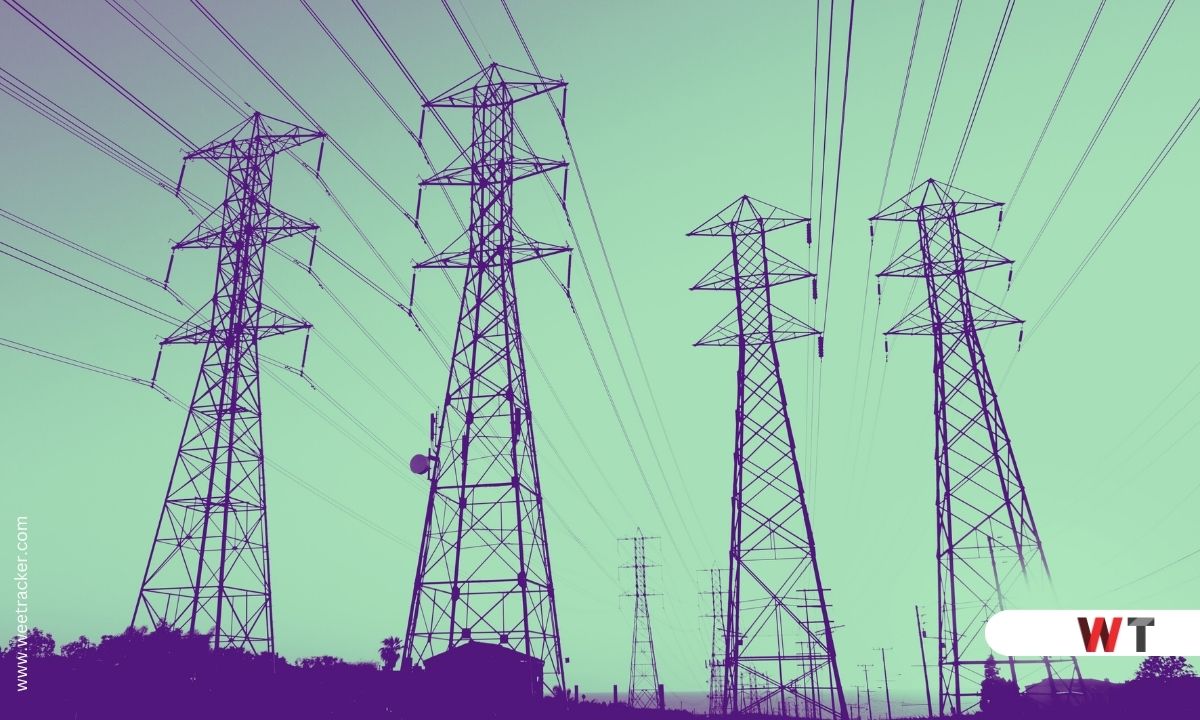
Despite a nearly USD 1 B investment surge into Nigeria’s data centre industry, fueled by an AI and digital boom, the sector’s future hinges on solving a persistent crisis: the nation’s unreliable power grid. Major operators like Microsoft and the data centre company Equinix are forging ahead, but they are being forced to engineer complex and costly workarounds to bypass the country’s electricity deficits.
Global and regional players are pouring nearly a billion dollars into next-generation facilities to handle advanced computing workloads for the continent’s rapidly expanding online population.
Equinix alone is investing USD 140 M to expand its West African operations from Nigeria. This push is driven by Nigeria’s demographic reality; a population of nearly 240 million with a median age of 18, which is creating a data explosion through mobile internet use, gaming, and video streaming.
Nigeria’s cloud computing market is projected to grow from an estimated USD 1.03 B this year to USD 3.28 billion by 2030. As Microsoft’s General Manager for Nigeria and Ghana, Abideen Yusuf, told Bloomberg, “This momentum signals a deeper economic shift,” positioning Nigeria as an emerging digital leader in Africa.
This digital ambition, however, collides with a stark energy reality. While Nigeria has an installed electricity generation capacity of 13,000 megawatts, its grid supplies only about 5,800 megawatts. The system is plagued by frequent collapses, with one report citing over 32 outages per month in some surveys. Another analysis found that the national grid has collapsed three times in 2025 alone as of September, following eight major disturbances in 2024.

 Free Reads
Electricity Theft, Exaggerated Power Bills To Not See Light Of Day Following Latest Tunisian Investment


 Free Reads
4 West African Startups, Among 6 Others Selected For 2018 Zambezi Prize For Innovation In Financial Inclusion

The core of the problem lies in an outdated grid infrastructure, largely unmodernised since the late 1980s and lacking a digital “brain” known as a Supervisory Control and Data Acquisition (SCADA) system, which is essential for real-time monitoring and automated control in modern grids.
***
This chronic instability has driven a destructive cycle such that manufacturers and large businesses, who should anchor the grid’s demand, have abandoned it. Over 80% of manufacturers now run their own independent power plants, eroding the grid’s financial base and forcing residential users to shoulder a disproportionate share of the maintenance costs, which are estimated at USD 3.8 B annually.
For data centre operators, grid power is not a primary source but a problem to be engineered around. Ayotunde Coker, CEO of Open Access Data Centres, summarised the industry’s stance: “No matter how good your utility is, you still need to have diesel backup”.
The industry is now moving beyond simple diesel generators, experimenting with alternative models to achieve stability and reduce costs. Open Access Data Centres is pivoting to natural gas to power its hyperscale facility in Lagos. Coker calls gas the “most sustainable approach,” aiming for 98-99% availability to minimise diesel use.
Major telecom MTN Nigeria, which runs one of the country’s largest data centres, has taken a multi-pronged approach. It has deployed high-efficiency cooling systems, achieving an 11% reduction in emissions and saving over NGN 508 M in costs. In a previous project, it partnered with an energy firm to replace unreliable grid and diesel power with gas generators, securing a 40% saving and guaranteeing zero downtime for its critical operations.

The data centre boom presents a critical test for Nigeria’s broader economic plans. The government has unveiled an ambitious USD 410 B clean energy vision and passed a new Electricity Act aimed at decentralising power generation and attracting investment.
However, the immediate challenge for the tech sector is immense. The success of huge new data centre investment depends on solving a power crisis that has defied solutions for decades, as the race to build Nigeria’s digital future seems ultimately a race to power it.