How Africa’s Top Economies Wallowed In Global Finance ‘Jail’ & Finally Broke Out
Few designations are as dreaded as the Financial Action Task Force’s (FATF) “grey list” in the heavily regulated world of global finance. For the countries on that list, it’s a form of economic purgatory and a signal to the world that their financial systems are porous, risky, and under surveillance.
Fortunately, four African nations—South Africa, Nigeria, Mozambique, and Burkina Faso—finally got their parole recently. In a landmark decision, the Paris-based watchdog removed them from its list of jurisdictions under increased monitoring, marking a significant victory for the continent’s financial integrity and economic prospects.
For two of Africa’s largest economies, South Africa and Nigeria, the delisting is particularly momentous. Their addition to the grey list in February 2023 was a severe blow, rattling investor confidence and saddling banks and businesses with onerous compliance costs for every cross-border transaction.
“This is a positive story for the continent of Africa,” said FATF President Elisa de Anda Madrazo, highlighting the concerted efforts of the four nations.
Landing on the FATF’s list has tangible economic consequences. International banks and payment processors must apply enhanced due diligence to transactions involving grey-listed countries. This “de-risking” slows down trade, makes remittances more expensive, and can scare away foreign direct investment.




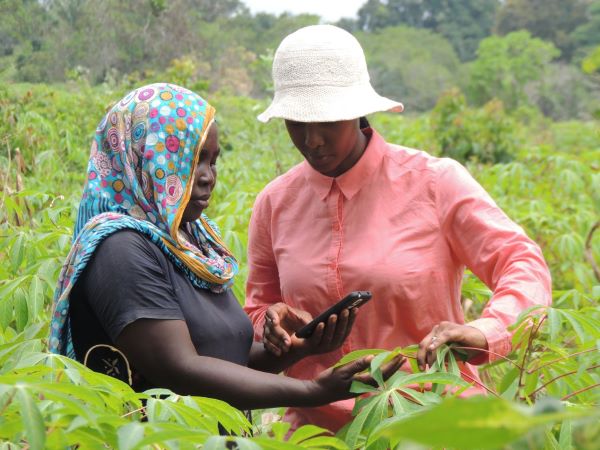

For Nigeria, Africa’s most populous nation, this was a direct hit to remittances, a critical lifeline. With nearly USD 20 B flowing into the country from its diaspora annually, the grey-listing threatened to constrict a vital source of foreign exchange and household income.
South Africa, the continent’s most developed financial hub, faced a different kind of damage. The 2023 listing was an indictment of the so-called “state capture” era under former President Jacob Zuma, revealing gaping holes in its anti-money laundering (AML) and counter-terrorist financing (CTF) frameworks that had allowed corrupt actors to flourish.
Mozambique, added in 2022, and Burkina Faso, on the list since 2021, faced similar scrutiny, which hampered their ability to attract international capital for much-needed development.
***
Getting off the grey list is a grueling marathon of legislative and operational reform, conducted under the FATF’s unforgiving microscope.
Each country was given a specific action plan. Nigeria, for instance, worked through a rigorous 19-point plan that required demonstrating a dramatic improvement in its financial intelligence capabilities. The Central Bank of Nigeria (CBN) tightened Know-Your-Customer (KYC) rules and conducted aggressive licensing audits, forcing the booming fintech sector to fall in line.
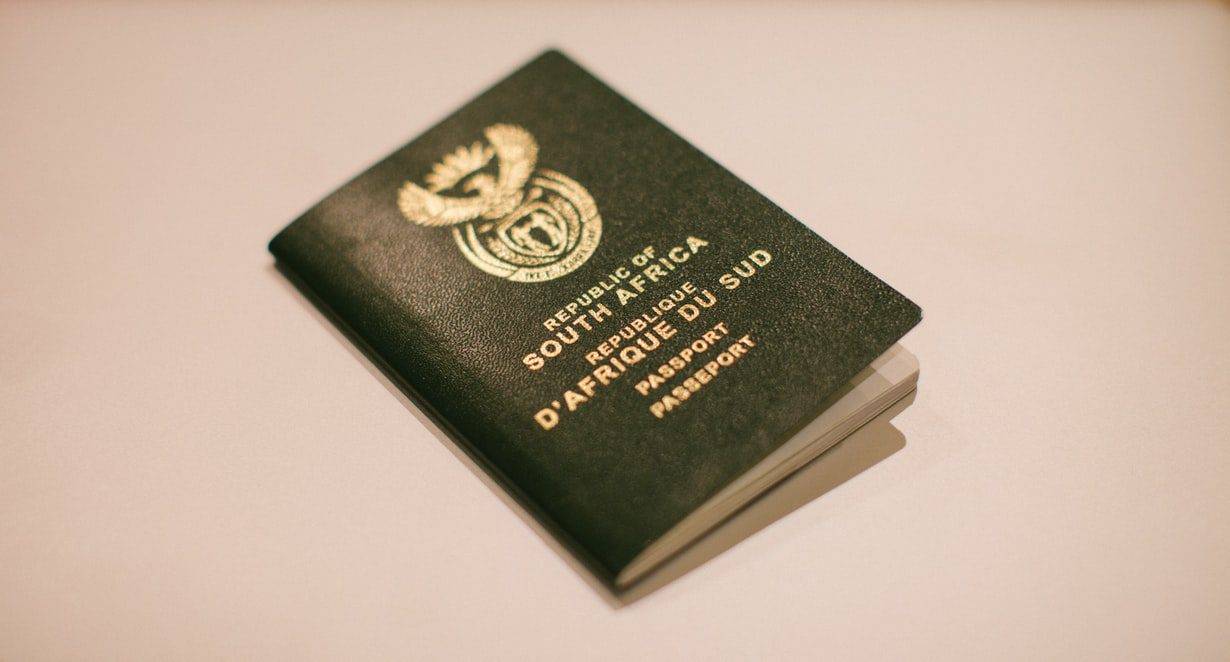
South Africa embarked on a sweeping legislative overhaul, passing key amendments to close the loopholes identified by the FATF. The South African Revenue Service (SARS) and other agencies revamped their tools to better detect illicit financial flows and terrorist financing.
“Removing the designation of grey listing is not a finish line but a milestone on a long-term journey,” cautioned Edward Kieswetter, SARS commissioner, signalling that the reforms are intended to be permanent.
Mozambique focused on improving the sharing of financial intelligence between agencies, while Burkina Faso strengthened its oversight of non-profit organisations and financial institutions to prevent terrorist financing.
Nigerian President Bola Ahmed Tinubu hailed it as a “major milestone” for his country’s economic reform agenda. Finance Minister Wale Edun was more specific, telling Bloomberg it will “ease cross-border transactions, improve capital flows, including foreign direct investment,” and serve as a beacon that Nigeria’s institutions are “strong, transparent and internationally trusted.”
The continent’s fintech and digital payments sectors, which bore the brunt of heightened scrutiny, would welcome the relief. With the compliance risk lowered, startups and banks can now access international banking rails more easily, potentially unlocking new capital and reducing transaction costs for millions.
However, the freedom comes with a catch. The bar has now been permanently raised. These financial systems are expected to maintain world-class AML standards to retain the hard-won trust of international partners. The spotlight isn’t going away; South Africa, for one, is already scheduled for its next full FATF evaluation in 2027, which will apply an even more rigorous methodology.
Breaking out of “FATF jail” is a testament to political will and regulatory grit across these four nations, but watchful eyes are expected to remain fixed upon for the foreseeable future in the relentless fight against financial crime.