Jumia’s Biggest Wins—Amid Woes—Are Coming From Places It Once Overlooked

For years, Africa’s e-commerce giant Jumia focused its energy on the urban elite in cities like Lagos and Abuja. However, as growth in these saturated markets slowed and the path to profitability remained elusive, the company made a strategic pivot to tap into the country’s overlooked rural communities over the last few years. That bet is now beginning to deliver.
New data from Jumia’s internal report reveals that nearly half—49%—of all its package deliveries now go to rural areas. That’s a larger share than deliveries to primary cities (35%) and secondary cities (16%) combined. It’s a shift suggesting Nigeria’s digital economy is increasingly being shaped by consumers outside major urban centres.
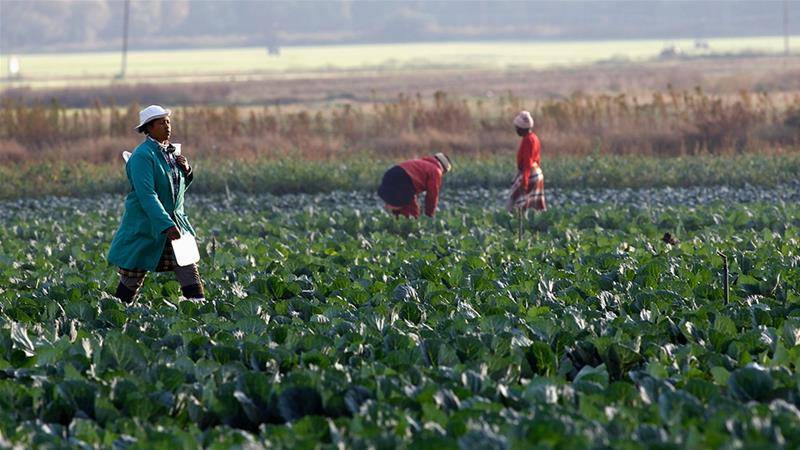
With a population of over 233 million and nearly half living in rural areas, Nigeria’s countryside represents a vast and largely untapped market. Internet penetration has climbed to 60.9%, with 142 million subscribers, and mobile access continues to expand. These trends have created a foundation for digital adoption in regions once considered offline.
Jumia’s report highlights how the company is leveraging this change. Through a network of 357 pickup stations and partnerships with 67 third-party logistics providers, it has built a delivery framework that reaches remote towns. Orders now arrive in an average of two to four days, even in hard-to-reach locations.
***
Central to this expansion is JForce, Jumia’s community-based agent network. With over 32,000 active agents, the program has become a critical bridge to consumers who are new to online shopping. These agents help with everything from product discovery to order placement, and often introduce e-commerce to first-time buyers.







The economic ripple effect is significant. JForce has created flexible income opportunities, especially for young Nigerians. More than 9,800 women are participating, though men still make up the majority at 69%. For many agents, what began as a side hustle has evolved into a full-time entrepreneurship role.
Rural shoppers are not just purchasing basic goods. The best-selling categories by volume include phones, beauty products, home goods, and men’s clothing. By value, phones, appliances, and consumer electronics like TVs lead the way.
This suggests that rural demand is both practical and aspirational. Consumers are turning to e-commerce for products that are either unavailable or overpriced in local markets. Convenience and competitive pricing are the main drivers, with 62.5% of respondents citing better prices as a key reason for shopping online.
***
None of this growth would be possible without solving the last-mile delivery challenge. Jumia’s 2024 opening of a 30,000m² warehouse in Lagos has strengthened its logistics backbone, enabling faster sorting and nationwide distribution. The company has also extended its delivery service to third-party sellers, allowing small businesses to tap into its logistics network.
The pickup station model, which accounts for over 80% of Jumia’s rural delivery points, has been particularly effective. These stations, often operated by local partners, build trust and provide a physical touchpoint in communities where digital scepticism remains.

Jumia’s rural push comes at a pivotal time. The company, often called the “Amazon of Africa,” has faced years of losses, user stagnation, downsizing, and investor scepticism.
By tapping into rising demand in towns like Gaya, Akpapava, and Ekpoma, Jumia is accessing a new wave of consumers who are hungry for digital access. As urban e-commerce growth plateaus, rural Nigeria is becoming Jumia’s next growth engine.
Nigeria’s rural digital awakening is still in its early stages. With a median age of just 17.9 years and broadband penetration steadily rising, the potential for further adoption is enormous. Jumia’s early move into these areas positions it to capture that growth, if it can continue to navigate infrastructure gaps and maintain consumer trust.
For now, the numbers suggest that the customers Jumia once overlooked are now central to its future.