Loadshedding Forced South Africans To Solar—Cost Cuts Made Them Stay
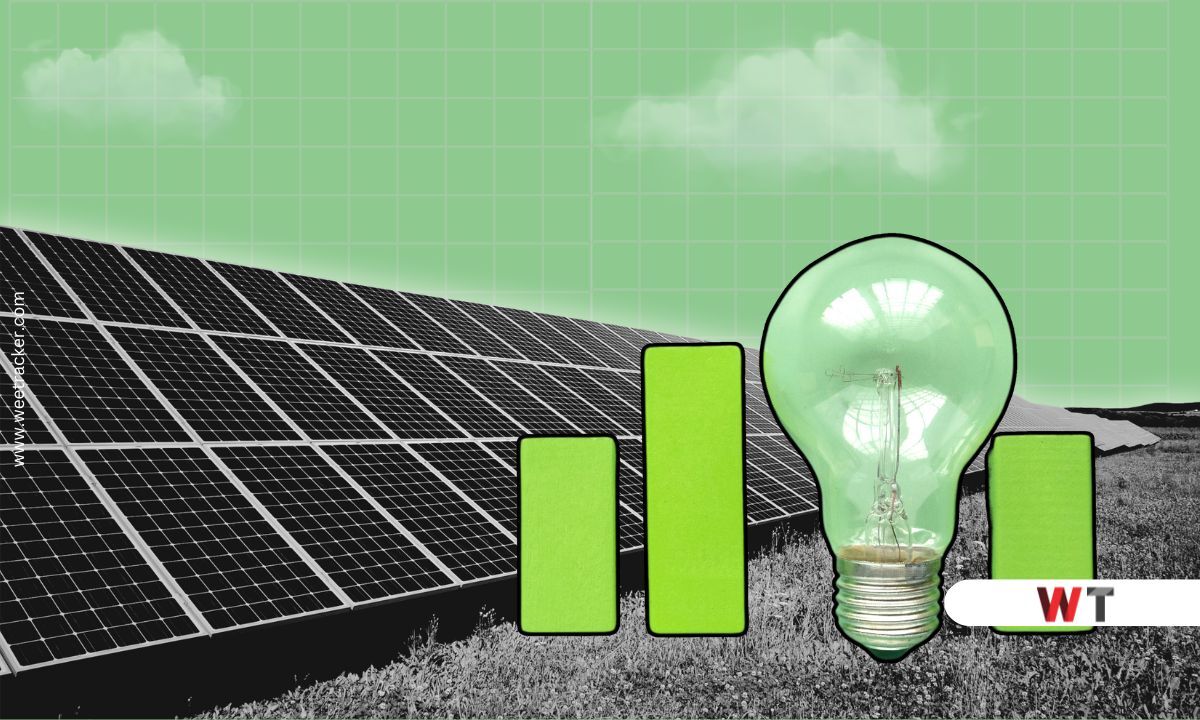
Loadshedding forced South Africans to solar as an emergency, and it appears they aren’t looking back even after some ease in the notorious power struggles of the state-backed utility company, Eskom.
A new survey from energy investment firm Jaltech, billed as the country’s largest solar user study, finds that rising electricity tariffs and clear bill savings now drive adoption more than loadshedding. The shift matters because it turns solar into an economically rational investment rather than an emergency fix, with implications for who pays, who benefits, and how fast the market grows.
Jaltech’s research, based on responses from more than 2,000 homeowners and businesses, reports that 93% of homeowners and 79% of business solar users are already seeing measurable savings on their bills. The company says solar generation now costs roughly 30% to 50% less than buying power from the grid.
The research finds this represents an all-in equivalent of about ZAR 1.20 to ZAR 1.70 per kilowatt-hour after installation, making rooftop systems an immediate money-saver for many customers.
That price gap helps explain why adoption remains strong even as Eskom’s brutal run of uninterrupted outages has eased at times this year. The state utility and government point to improvements in system stability, though critics warn the pause may be temporary or politically charged.




Either way, the economics of solar appear to have outlived loadshedding as the industry’s single biggest selling point. Households that once bought panels to dodge blackouts are now treating them like long-term cost-management tools.
For businesses, the case is especially persuasive. Jaltech’s survey shows more than half of commercial respondents say solar now offsets the majority of their consumption, and 67% of business users plan to expand installations. Companies are also layering energy-management systems to squeeze more value from their arrays, signalling a move from basic resiliency to professionalised, efficiency-led energy management.
Still, barriers remain
Upfront costs are the main obstacle for non-adopters, even as financing options improve. Jaltech itself highlights a pay-for-energy model in which the company finances, installs, and operates systems while clients pay only for the electricity they use.
That structure helped the firm deploy over ZAR 1 B into the market in the past two years, the company says. The model removes the capital barrier for many customers, but it also shifts long-term asset ownership and returns onto the provider, a trade-off some buyers will accept and others will not.
The broader market economics support the survey’s claims. Retail grid tariffs vary across municipalities and consumption bands, but current residential charges commonly land between about ZAR 2.00 and ZAR 4.50 per kWh depending on usage and locality.
That makes Jaltech’s ZAR 1.20–ZAR 1.70/kWh figure competitive, especially when buyers factor in predictable pricing and low maintenance over decades. The math gets even more persuasive for large commercial consumers facing higher effective tariffs and rising diesel costs when backup generation is needed.
There are caveats
The headline cost comparison depends on accurate assumptions about system lifetimes, financing terms and maintenance. A poorly sized or installed system will underdeliver. Contractors and funders must also guard against overpromising payback periods to unsophisticated buyers.
The high satisfaction numbers in the survey—98% of existing users reported satisfaction—are encouraging, but independent verification and long-term performance data will matter as the sector scales.
Policy and market shifts could accelerate or stall the trend. If municipal and national regulators stabilise tariffs and provide predictable frameworks for grid connections and net metering, private investment could follow.
Conversely, sudden policy reversals or drops in wholesale prices that narrow the spread between grid and solar could slow demand. For now, installers and funders are betting that rising, volatile grid prices and cheaper solar kits create a durable market opportunity.
If the numbers hold and financing keeps widening, South Africa’s solar market may have crossed an important threshold from crisis-driven adoption to a cost-led industry that can stand on its own.