Elon Musk Snubs Home Country As Tesla Sets Sights On Morocco For African Launch
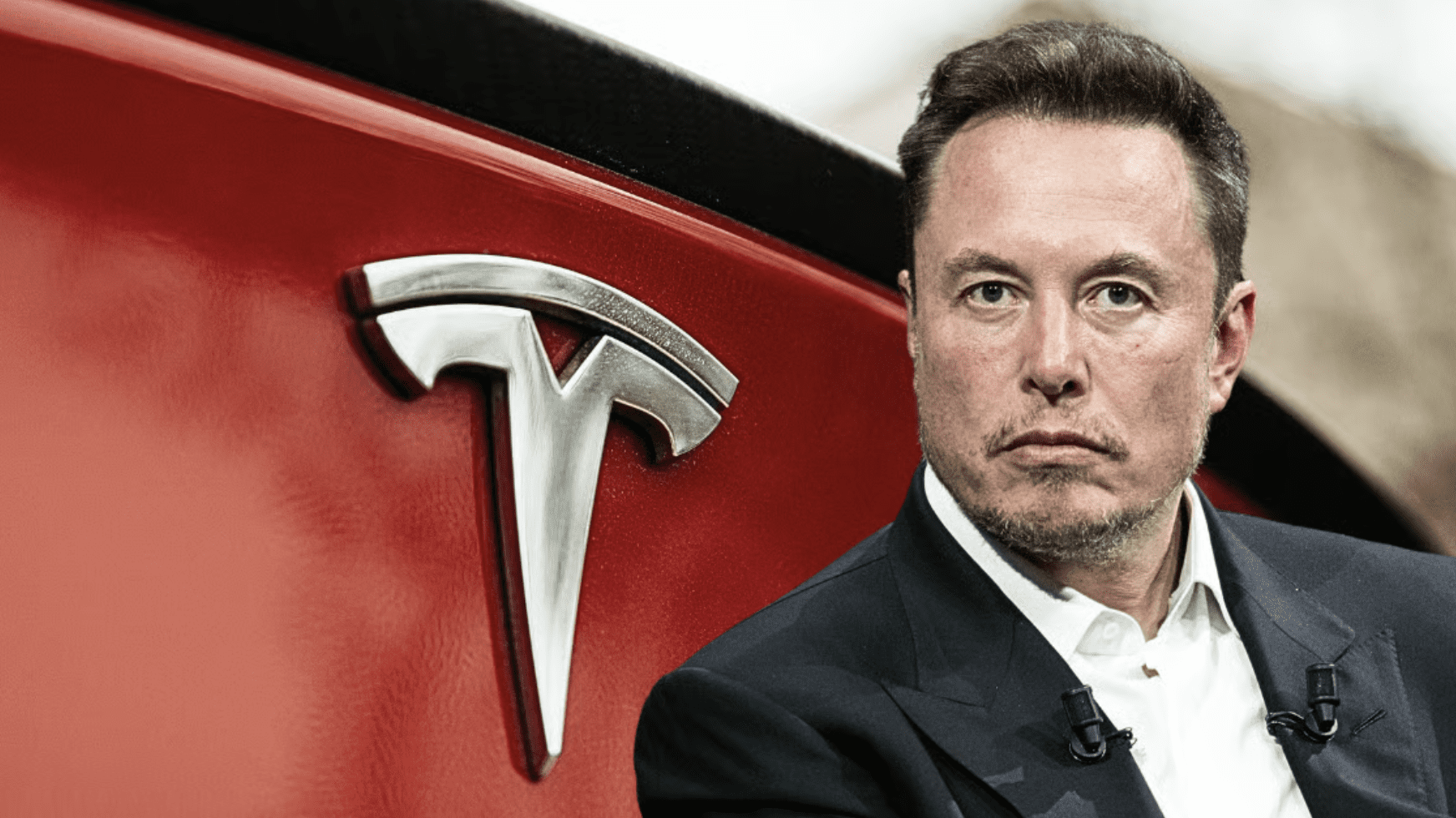
Elon Musk was born and raised in South Africa, but his electric vehicle (EV) company looks ready to make its African debut somewhere else. Tesla is preparing to launch operations in Morocco, not in the country that shaped Musk’s early life.
A senior job posting for a Country Sales and Delivery Lead in Casablanca marks the clearest sign yet that Morocco has beaten South Africa to become Tesla’s first African base.
This follows the formal incorporation of Tesla Morocco in May 2025, registered with MAD 27.5 M (about USD 2.75 M) in capital. The legal setup arrived years after the company installed its first hybrid Superchargers in Casablanca and Tangier in 2021, before expanding to Rabat, Fez, Marrakesh, and Agadir. The company has since opened an office in the Crystal Tower at Casablanca Marina, describing it as a future strategic hub for African operations and energy innovation. The latest vacancy confirms the company is moving from planning to execution.
Yet the most striking part of this expansion is not that Tesla is coming to Africa, but where it has chosen to begin. Why Morocco, Not South Africa?
On paper, South Africa remains Africa’s biggest vehicle market. In 2024, it sold 515,712 cars. Morocco sold only 176,401. South Africa is also home to Tesla CEO Elon Musk, who has fueled years of speculation that Tesla would pick the country for its African entry.





Yet the industrial picture tells a different story.
Morocco has become Africa’s largest automotive manufacturing hub. It built 559,645 vehicles in 2024, up 5% year on year. Industry forecasts show Morocco passing 600,000 units in 2025. South Africa produced 599,755 vehicles in 2024, but that was a 5% decline from the prior year.
The contrast is even sharper in electric vehicle production. Morocco already hosts early EV assembly activity through Chinese and European manufacturers, producing between 40,000 and 50,000 electric vehicles in 2024. South Africa, by contrast, still reports no domestic production of fully electric cars. Its factories remain focused on internal-combustion and hybrid models, leaving the country without a domestic base for Tesla’s core product category.
Demand trends reinforce the divide. Morocco sold 1,125 EVs in 2024, a small total but one expected to climb to more than 4,200 units in 2025. South Africa, despite its far larger car market, has seen EV sales decline due to high import duties on EVs and battery packs, the absence of consumer incentives, and an unreliable electricity supply.
The country also lacks the industrial base for full EV production, even though its vehicle industry is otherwise one of Africa’s most advanced.
Morocco’s Policy and Proximity Advantage
As Tesla weighs where to anchor its first African operations, Morocco’s policy framework plays a decisive role.
Morocco’s government has pushed hard to attract EV investment. The country exempts EV imports from VAT and customs duties, and companies adopting EVs receive additional benefits.
These measures, backed by a charging network that has grown to nearly 1,000 public points, make Morocco one of the most supportive EV policy environments on the continent.
Beyond policy, Morocco’s geography strengthens its case. Its proximity to Europe shortens shipping times, lowers transport costs, and simplifies the movement of parts and finished vehicles. This locational edge has helped Morocco attract nearly USD 10 B in new commitments for automotive and EV-sector expansion, cementing its rise as a global manufacturing hub rather than a regional one.
Together, these factors create an environment that aligns naturally with Tesla’s requirements. South Africa, by contrast, offers none of these incentives, from tariff structure to electricity reliability. Without these, the country struggles to present a compelling case for Tesla’s first African base.
Competitors Are Not Waiting
Meanwhile, Tesla’s timing is also shaped by rising competition across Africa. BYD, China’s dominant EV manufacturer and Tesla’s strongest global rival, has expanded aggressively on the continent. The company has launched multiple models, increased its dealership footprint, and plans to deploy 200 to 300 public chargers in 2026.
Tesla cannot afford a slow or fragmented entry while its top competitor races ahead. For now, Morocco provides the clearest foundation for a rapid start, while South Africa would force Tesla to navigate structural obstacles before it even opens its doors.
Still, the symbolism is hard to ignore. Many South Africans expected Tesla’s launch to begin where its founder was raised. Instead, Morocco’s policy clarity, manufacturing growth and EV readiness have made it the preferred choice. Musk’s home country remains tied to the past while Morocco aligns with the future.
Overall, Tesla’s entry into Morocco is likely to accelerate the country’s rise as Africa’s leading automotive and EV hub, drawing suppliers and infrastructure and encouraging more global automakers to anchor themselves in North Africa. South Africa now faces pressure to update its EV policy, address electricity stability, and encourage local production if it wants to stay competitive.
In the larger African context, Tesla’s arrival will intensify competition with BYD and other global players already active in the region, setting the stage for faster growth in EV manufacturing and adoption.