South Africa’s 20% Online Gambling Tax Faces Backlash Amid Fears Of Blowbacks
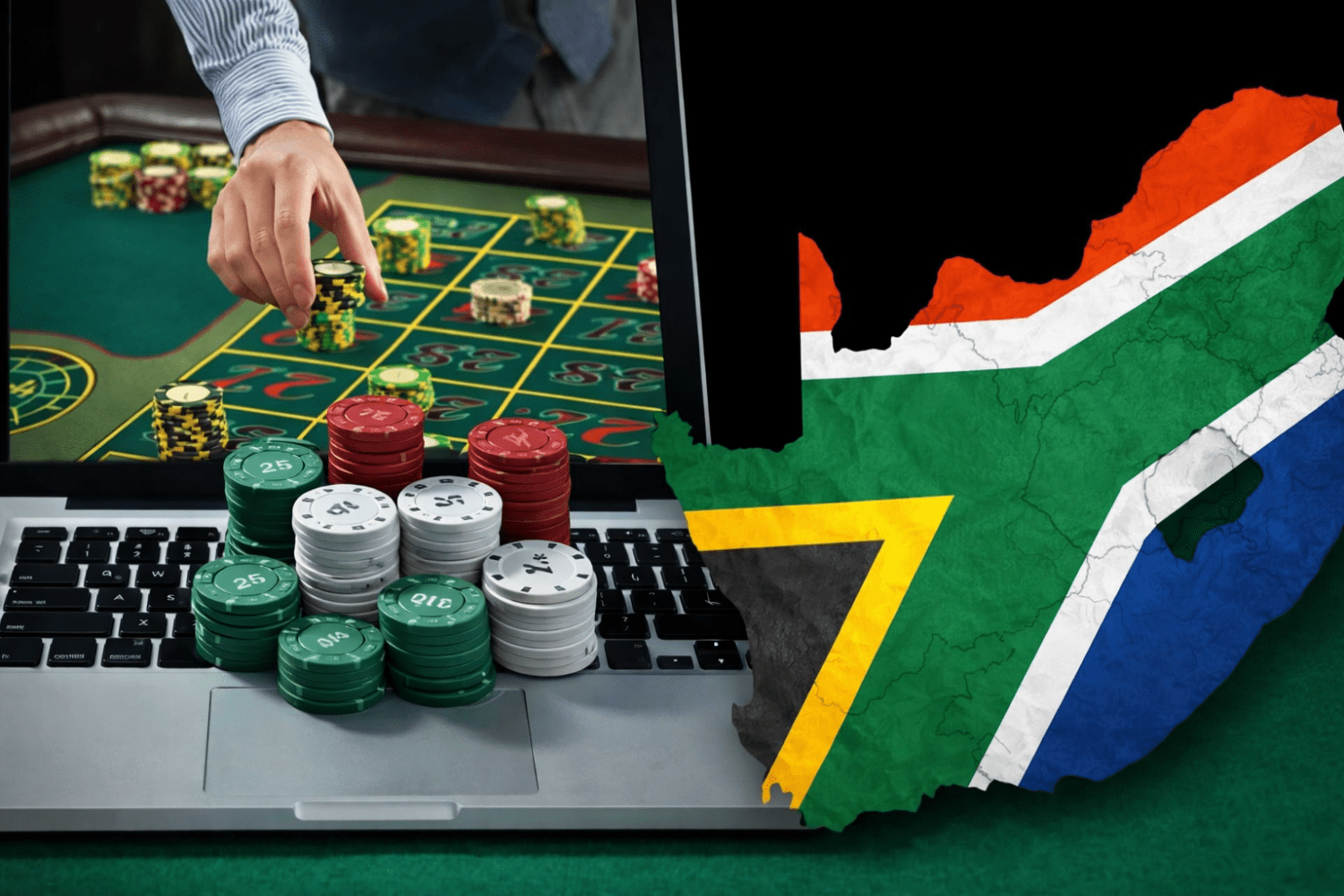
South Africa’s National Treasury has been forced to extend a public consultation on a proposed 20% national online gambling tax after facing a fierce backlash from industry and legal experts who warn the plan is unconstitutional and could backfire by pushing bettors to unregulated offshore sites.
The deadline for comment has been pushed back by nearly a month to February 27 after stakeholders requested more time to dissect the contentious proposal. The move comes as critics, including a prominent policy institute, label the tax a “naked revenue grab” that “threatens the very existence of the legal gambling market”.
The Treasury’s draft discussion paper, published in late 2025, proposes a 20% levy on the gross gambling revenue of all online betting operators. This would be a national tax, layered on top of existing provincial gambling taxes of 6% to 9%. The rationale is twofold: to curb the “social harms” of problem gambling and to capture revenue from a sector experiencing explosive growth.
Data from the National Gambling Board shows the immense scale of the market. In the 2024/25 financial year, approximately ZAR 1.5 T (USD 92 B) was wagered in South Africa, a surge of almost one-third from the previous year. The Treasury estimates the new tax could generate over ZAR 10 B annually for government coffers.
The core of the opposition lies in a potential constitutional clash. Gambling regulation is primarily a provincial competence in South Africa. Legal analysts argue that imposing a separate national tax on the same revenue base illegally centralises fiscal power.






Ayanda Zulu, a political studies graduate commenting for the Free Market Foundation, told Focus Africa that the proposal “should not see the light of day” and “undermines democratic practice due to the lack of meaningful consultation”.
Industry bodies, including the South African Bookmakers’ Association (SABA) and the South African Responsible Gambling Organisation (SAROGA), warn the combined tax burden could make licensed operators uncompetitive. They fear it will inadvertently bolster illegal offshore platforms, which offer better odds and operate outside South Africa’s consumer protection and anti-money laundering frameworks.
This is not the government’s first attempt to tax gambling revenue. Past proposals, including a 15% withholding tax on winnings in 2011 and a 1% national levy in 2012, were abandoned after consultations revealed enforcement complexities. Critics note the current proposal is particularly fraught as it seeks to tax interactive gambling (like online casinos), which remains technically illegal under South African law due to an un-promulgated 2008 act.
The Treasury defends its approach, arguing that online gambling, unlike physical casinos, creates few local jobs or infrastructure benefits and is “easily available… almost anywhere and at any time,” necessitating a unified national response.
With the extended deadline, the battle lines are drawn. The government is betting on a new revenue stream and social policy tool, while the industry and legal experts are calling the play, warning it risks undermining the rule of law and the viability of the very market it seeks to control.
Feature Image Credits: iGaming Afrika