South Africa Has A New ‘Wild West’ That It Wants To Rein In: Podcasts
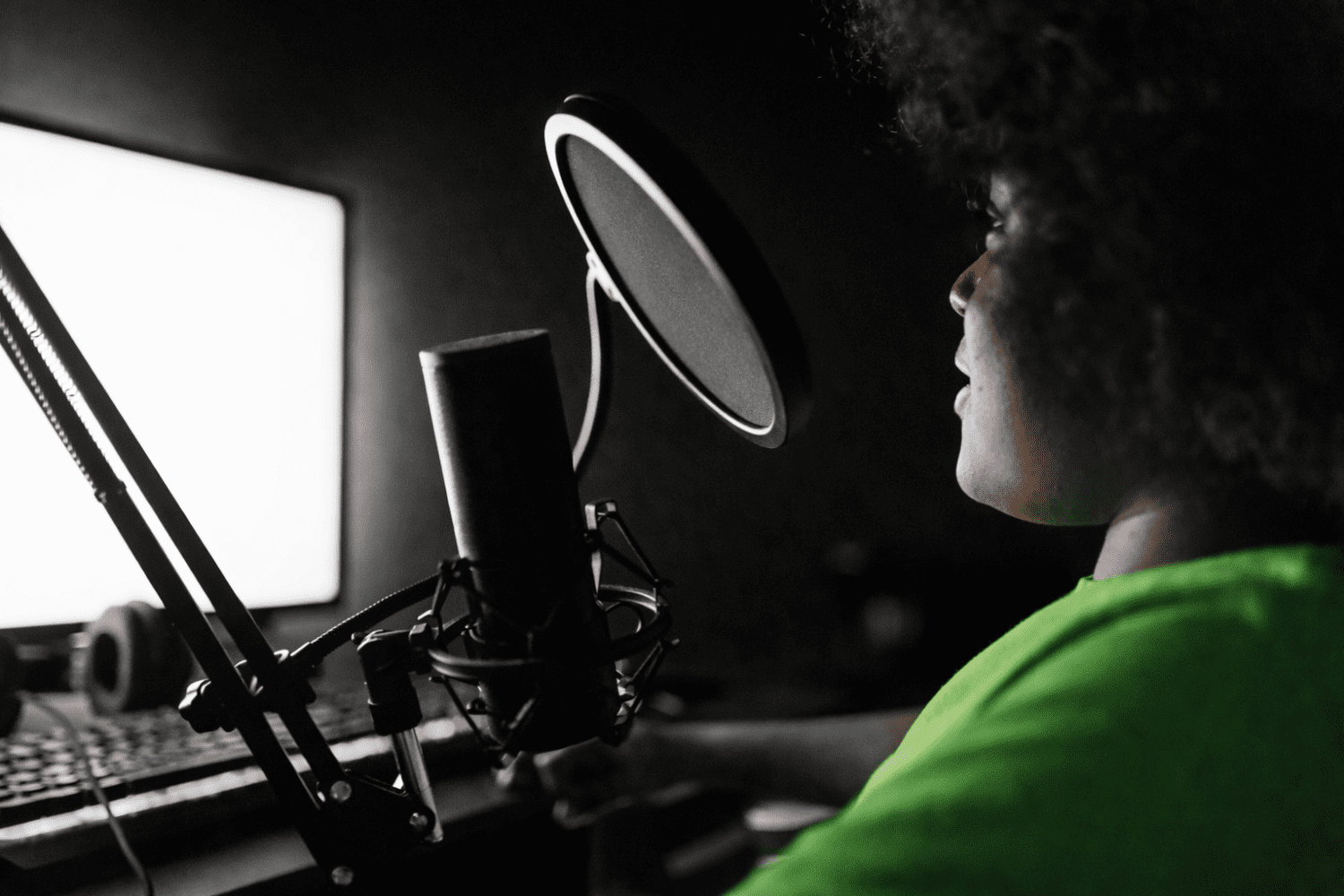
South Africa’s communications regulator is looking to extend its reach beyond radio and television for the first time, with podcast content and digital audio services squarely in its sights.
The Department of Communications and Digital Technologies is finalising a new policy that could end what officials call the “wild west” era for digital audio in the country, bringing platforms and creators under a regulatory framework similar to traditional broadcasters.
The government argues the move is less about a crackdown on specific content and more about modernising laws written before the digital age. The main laws governing media—the Broadcasting Act and the Electronic Communications Act—date from 1999 and 2005, respectively, a time when podcasts and streaming barely existed.
“The Broadcasting Act… is as old as 1999, and the Electronic Communications Act is as old as 2005,” Khusela Diko, chair of Parliament’s Portfolio Committee on Communications, has stated.
While not citing a single incident, the timing follows public controversies involving prominent local podcasters. Industry analysts note that recent scandals, such as the one involving podcaster MacG where offensive remarks led to sponsor withdrawals, have likely “accelerated the Department’s urgency” to establish clearer rules.





The Draft White Paper on Audio and Audiovisual Media Services proposes several key shifts, aiming to “level the playing field” between digital and traditional media.
Streaming services with an annual turnover exceeding ZAR 50 M (~USD 3 M) would need a South African operating license. They could also face local content quotas or be required to pay into a fund supporting South African content creation.
A major proposal is to expand the mandate of the Broadcasting Complaints Commission of South Africa (BCCSA) to handle public grievances about podcasts. This would provide a formal channel for complaints related to dignity, privacy, and equality. The policy suggests a “risk-based, tiered” system, where large commercial entities face stricter rules than small or non-commercial creators.
Officials insist the goal is protection, not censorship. “This will not curtail freedom of expression except where the Constitution permits,” said Communications Minister Solly Malatsi, referencing limits on hate speech or incitement to violence.
A significant concern among industry observers is whether new regulations can be effectively implemented. Critics point to South Africa’s history of well-intentioned policies that are “underfunded, mismanaged, or simply ignored”.
The current draft policy has also been criticised for vagueness, failing to clearly define what a “podcast” is or where the line falls between a hobbyist and a professional broadcaster. This ambiguity, experts warn, could lead to uneven enforcement where “certain voices get policed while others slip through the cracks”.
South Africa’s move aligns with a global trend where governments are grappling with how to regulate rapidly evolving digital media spaces. The debate locally mirrors the constant tension of balancing the protection of citizens from potential harm online with the protection of creative freedom and free speech.
Stakeholders, including the nascent South African Podcasters Guild, have called for their direct involvement in shaping any new codes of conduct, arguing that regulation must be done with creators, not to them.
The department is finalising the White Paper, which will then be open for public comment. Any final legislation would still require parliamentary approval, meaning the podcasting “wild west” is not closing down just yet.
Feature Image Credits: Westend