TikTok’s Kenyan Business Grows, But Creators Question Their Share Of The Pie
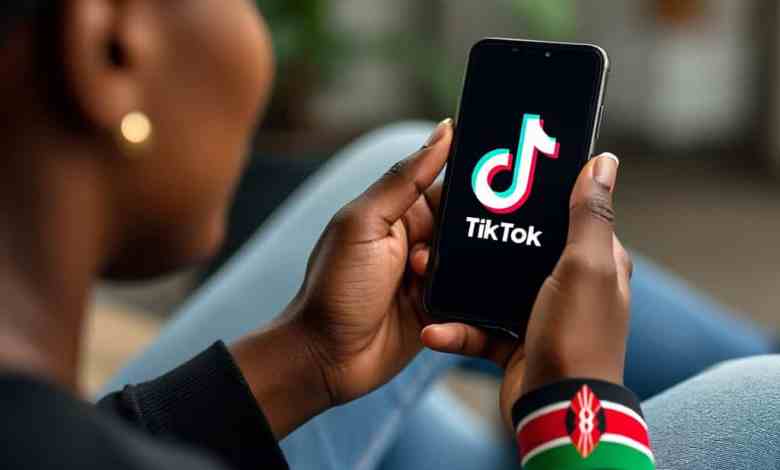
In Kenya, TikTok is delivering serious sales results for brands, but questions persist over how the platform shares its commercial success with the local creators essential to its growth.
TikTok for Business, the platform’s advertising arm, is marking its first year in Kenya with data showing over 200 local creators collectively earned more than KES 47 M (over USD 360 K) through brand collaborations. The revenue came from Kenyan companies hiring creators to make promotional videos, using TikTok’s new local support teams to connect them.
The platform’s debut commercial year has seen strong adoption by Kenyan brands, resulting in measurable growth for several major companies. TikTok campaigns, findings revealed, helped e-commerce platform Kilimall generate over 152,000 purchases and a six-fold increase in sales. Others, such as consumer goods player Godrej Aer, doubled month-on-month sales, while fintech company Branch topped customer acquisition targets.
“It’s less billboard, more smartphone; less polished studio, more authentic, creator-driven clips,” TikTok says. This shift comes as spending on traditional TV, radio, and newspaper ads in Kenya has seen double-digit declines, while digital ad reach on platforms like Facebook has soared.
Despite the promising start for brand partnerships, a critical gap remains in how TikTok monetises the broader creator community. The platform’s Creator Rewards Program, which pays users directly based on video views and engagement, is not available in Kenya or anywhere in Sub-Saharan Africa.





This policy has sparked criticism from creators and officials who argue the platform profits from African content without sharing a cut of the core advertising revenue. “If you have no arrangement [to pay], what are you doing in my country?” Ugandan comedian Kansiime Anne has asked. South Africa’s Communications Minister has called the exclusion an “economic injustice”.
In contrast, YouTube shares up to 55% of ad revenue with creators globally. TikTok points to alternative tools like “LIVE Gifting,” where fans can send virtual tips (though TikTok takes a standard cut), as well as special grant programs. However, these are not passive income streams like the unavailable rewards program.
For now, a Kenyan creator’s primary path to earning on TikTok is through the type of brand deals the platform is celebrating. With over 10 million users in the country and the app ranking as the third most popular social platform, building a sustainable local creator economy is imperative.
The platform plans to “deepen its footprint” in Kenya, betting that the next big billboard isn’t on a highway but in someone’s hand. The challenge will be ensuring more creators have a fair share in the revenue that billboard generates.
Feature Image Credits: The Star