Kenya’s Govt Is Quietly Waging War With Google Over Content It Wants Gone
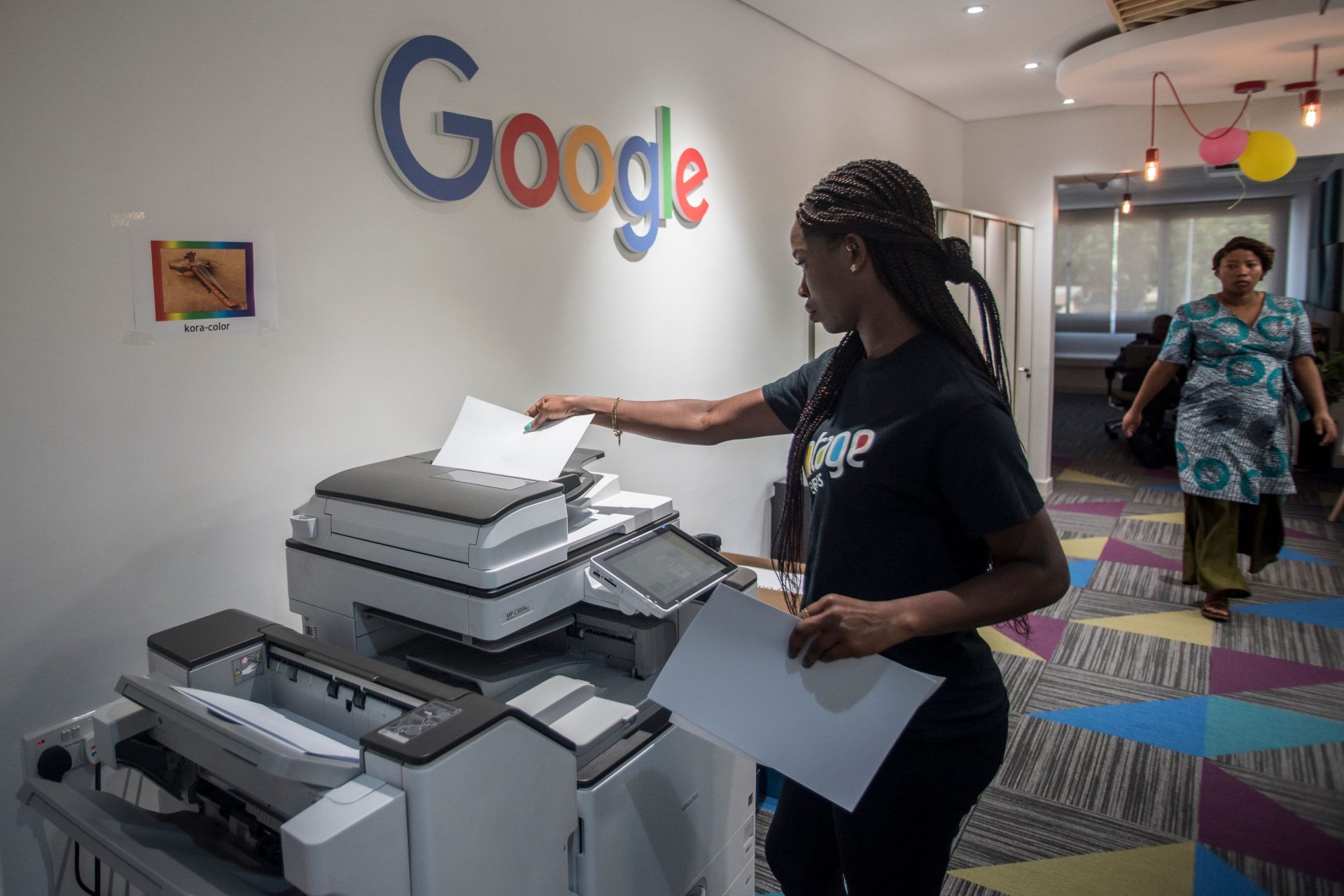
Kenya is quietly losing a digital tug-of-war with Google. Over the past year, authorities have sharply escalated demands for the tech giant to delete online content, only to see the vast majority of its requests rejected, with Google explicitly stating that many amount to attempts to suppress political speech and government criticism.
The company’s latest transparency report, covering the six months to June 2025, shows Kenya submitted 42 takedown requests targeting YouTube videos and search results. Google rejected nearly 62% of them, a rejection rate that has more than doubled in a year and stands far above global averages.
The demands, routed through the Communications Authority of Kenya, cite familiar legal grounds, such as defamation, national security, hate speech, privacy violations, and impersonation. These are standard categories governments worldwide use when requesting content removal.
But Google’s own assessment tells a different story. “Often, governments’ requests target political content and government criticism,” the company noted in its report, a rare public acknowledgement that takedown demands are frequently about silencing dissent, not combating genuine harm.
Of the 16 Kenyan requests Google actually reviewed for potential policy violations, it removed just five items. Eleven were declined, with the company stating authorities failed to provide sufficient identifying information or legal justification.








The rising rejection rate—25% in mid-2024, 46% late that year, now 62%—coincides with a wider government campaign to tighten control over online speech. Officials have directed global platforms to establish physical offices in Kenya, arguing local presence improves accountability and speeds moderation of harmful content.
Separately, the National Cohesion and Integration Commission recently unveiled new social media monitoring guidelines aimed at producing “prosecution-ready” forensic evidence for hate speech cases, a move that signals a pivot toward aggressive, court-admissible enforcement rather than relying on voluntary platform cooperation.
The Ministry of Foreign and Diaspora Affairs has also voiced concern that Kenyans online are “misinforming the world” about government activities, underscoring official anxiety over negative global perception.
Yet Kenya’s leverage over Silicon Valley remains limited. A landmark case against Meta, brought by a South African former content moderator alleging workplace-induced PTSD, is currently stalled on jurisdictional grounds. Meta argues that because it is incorporated in Delaware and Dublin, Kenyan courts have no authority over it. This defense, if successful, would severely constrain any local regulatory ambitions.
Even as Nairobi demands takedowns and local offices, it struggles to compel compliance from companies that operate across borders but not necessarily within them.
The transparency data offers a rare, unvarnished window into what Kenyan authorities are actually trying to scrub from public view and what they cannot. The steady climb in rejections suggests Google’s screening mechanisms are tightening precisely as government requests grow more assertive.
For now, the balance of power in this quiet contest tilts toward the platform. But with digital infrastructure becoming central to Kenya’s economy and civic life, the pressure to tilt it back is unlikely to fade.
Feature Image Credits: Cristina Aldehuela/AFP/Getty Images