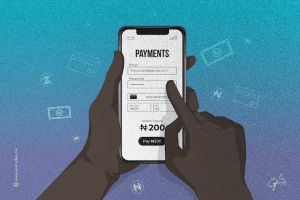
Cash Is Dying In Nigeria’s Nightlife Where Moniepoint Processed Over USD 600 M
On a recent Sunday night at Amuludun Kitchen in Ipaja, a Lagos suburb, the plastic tables filled early. Olorunrinu, who owns the spot, watched her staff move between packed benches, delivering plates of pepper soup and cold bottles of water.
She had spent years building this spot into one of the neighbourhood’s busiest nightlife venues, but what she noticed now had less to do with food and more with how people paid.
“It’s rare to see cash,” she said. “We prefer transfer, or you can make payments with your card. The cash kind of exposes the staff to theft and all that.”
Her experience is increasingly the norm across Nigeria’s sprawling community nightlife sector. A new data-driven study by Moniepoint Inc., drawn from transaction records of more than 27,000 clubs, bars, and lounges on its payment network, reveals a sharp reversal of the wider informal economy’s cash dependency. While about half of all payments in Nigeria’s informal sector are still made in cash, the nightlife economy has gone digital.
In 2025, Moniepoint processed over NGN 900 B (~USD 665 M) for clubs, bars, and lounges, revealing the scale of the economic life that begins after sunset.
 Free Reads
How Much Do Kids Hate Chores? Enough For These Brilliant 12-Year-Olds To Build Robots To Do It For Them
 Free Reads
12 Selected African Startups Receive Nearly USD 6 K Each From The HiiL Justice Accelerator




According to its latest study, bank transfers now dominate payments during peak nighttime hours, outpacing card transactions by nearly two million across Moniepoint’s network. Cash is actively discouraged, driven largely by operators’ security concerns. After dark, when crowds gather and attention scatters, carrying currency becomes a liability.
***
The data also reveals a precise rhythm to spending. Transaction volumes climb sharply from 8 p.m., peak before midnight, and then decline steadily even as venues remain full. For operators, the economic night ends earlier than the social one. The most critical window for staffing, restocking, and cash flow management falls between midnight and 6 a.m., when purchasing has already slowed but operational demands continue.
At De Synergi Lounge in Akonwonjo, manager Richard sees this pattern play out weekly. On usual nights, the existing team handles the flow. But during December, when crowds swell, “we get like two or three extra people to serve.” Across Nigeria, conservative estimates suggest at least 54,000 people work in nightlife-related roles every night, with local bars expanding their workforce by 30 to 50 percent on peak nights.
The sector’s geography defies easy assumptions. Lagos leads with 4,856 nightlife establishments on the network, followed by the Federal Capital Territory, Rivers, Delta, and Edo. But Katsina records the highest payment value for nighttime food trucks, pulling in over NGN 130 M (~USD 96 K) in the past year, while Kwara leads in transaction count. Nigeria’s night economy, the study shows, is distributed rather than concentrated in elite urban enclaves.
Tosin Eniolorunda, co-founder and group CEO of Moniepoint, said the findings should reshape how the sector is viewed. “Nigeria’s local bars and nighttime operators are not peripheral to the economy; they are a critical part of its architecture,” he said. “We see a substantial and sustained economic sector that employs hundreds of thousands of Nigerians every night and deserves the same attention we give to agriculture, healthcare, and retail”.
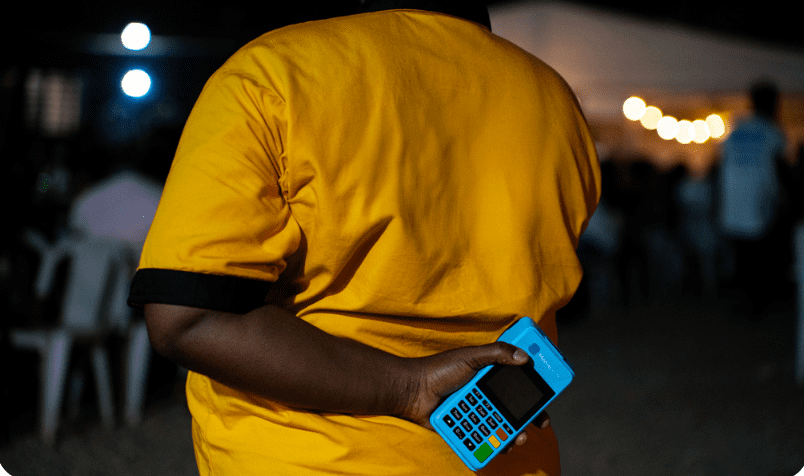
For operators like Olorunrinu, the shift to digital payments has also brought unexpected clarity. Real-time settlements mean she can track revenue as it happens, and Moniepoint’s POS terminals, each assigned a dedicated bank account number, provide instant audio confirmation when payments land, as there are no screenshots to verify, no alerts to wait for.
“That small ping changes everything,” the report highlights. The night can continue.