Moniepoint’s Mammoth Lending Machine Meets Messy Reality Of Two Big Defaults

In January 2025, Alerzo, one of Nigeria’s most prominent B2B e-commerce startups, secured a NGN 5 B (~USD 3.6 M) working capital loan from Moniepoint Microfinance Bank.
The logic was sound. Moniepoint processes over 80% of in-person payments nationwide. Its terminals sit inside thousands of shops that Alerzo supplies. The fintech could see the merchants’ cash flows in real time: revenue, frequency, velocity. If data ever guaranteed a loan, this was it.
Twelve months later, Moniepoint was in court seeking permission to freeze Alerzo’s accounts. The outstanding balance stood at NGN 4.38 B (~USD 3.2 M), with interest still accruing. A Federal High Court in Lagos granted a Mareva injunction restraining every bank from releasing funds linked to the company or its principals. Videos surfaced online showing rows of Alerzo-branded vehicles parked at its Ibadan facility, reportedly being prepared for sale.
The founder, Adewale Opaleye, insists the company remains in operation and that only faulty vehicles are being cleared. “In fact, we still have over 400 vehicles that we are currently running,” he told local media. But when a court orders account freezes and asset disclosures, even routine fleet maintenance begins to look like triage.
Alerzo is not alone. Around the same time, Moniepoint’s microfinance arm quietly went to court seeking an order restraining every bank from dealing with funds held by Retail Supermarkets Limited, owners of the ShopRite franchise in Nigeria, over a NGN 2.4 B (~USD 1.7 M) working capital facility that had gone unpaid, notable tech insider Olumuyiwa Olowogboyega revealed.




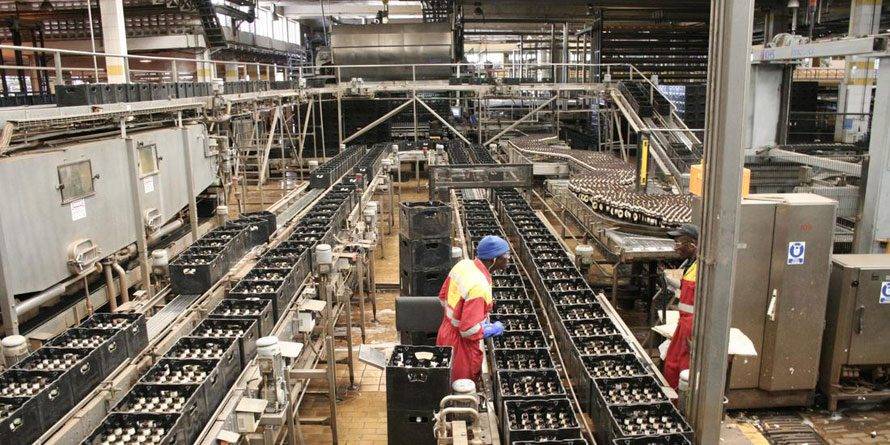



That case, which unfolded late last year with far less public attention, targeted one of the country’s most recognisable retail chains with physical stores, steady foot traffic, and years of operating history.
Two borrowers, two different models, one lender now in court for both.
Moniepoint’s position is complicated. The unicorn, which raised over USD 200 M in its Series C round last year from investors including Development Partners International, Google’s Africa Investment Fund, and Visa, has built its lending model around payment data.
It disbursed more than NGN 1 T (~USD 735 M) in loans to small businesses in 2025, targeting provision stores, supermarkets, and building material traders that traditional banks typically ignore. Businesses that accessed credit, the company claims, recorded average growth of 36% after receiving loans.
The logic, analysts point out, is that if Moniepoint process a merchant’s payments, it knows their cash flow. If it knows their cash flow, it can lend against it. Payment data reveals capacity to repay.
But capacity is only half the equation. The other half, as Olowogboyega points out insightfully, is priority: whether, under pressure, a borrower will repay before other obligations.
“Payment data shows what merchants want you to see. It does not show what they route through other banks, what they owe elsewhere, or how a founder’s personal spending habits might drain the business when margins tighten,” he writes. In the ShopRite case, a well-known retail brand with decades of history still found itself unable to meet its obligations to a lender that had visibility into its operations.
Alerzo built its model on high-volume, low-margin distribution, supplying inventory directly to small retailers across Lagos, Oyo, and Ogun states.
The company raised roughly USD 20 M during the funding boom of 2020–2022, expanding aggressively. But B2B commerce in Nigeria is unforgiving. Maintaining hundreds of vehicles, paying drivers, warehousing goods, and absorbing fuel volatility created a cost base that proved difficult to sustain once venture funding slowed and the economy soured.
By 2023, Alerzo had laid off staff. By 2025, it needed bank debt to survive. Now, it faces a legal battle that will determine whether restructuring is possible or whether the company becomes another cautionary tale about the limits of debt in Nigeria’s startup economy.
Meanwhile, Moniepoint, while declining to comment, seems unlikely to soften its recovery stance. Allowing a high-profile default to slide would weaken its credit culture and invite similar behaviour from other borrowers.
The company continues to lend across retail, food services, and trade sectors. But each new loan carries the risk that the data powering the decision might be the ultimate until the moment it isn’t.
Alerzo insists it will release an official statement soon. Retail Supermarkets has not publicly commented on its case. With accounts frozen and assets under scrutiny, the question hanging over both borrowers is whether Moniepoint’s data-driven lending model can survive contact with the messy, unpredictable reality of Nigerian business.