Meta’s Smart Glasses Send Intimate User Footage To Kenyan Contractors, Investigation Finds

When one sets down their Ray-Ban Meta glasses on the nightstand, the camera might still be recording. And halfway across the world, a contract worker in Nairobi could be watching.
An investigation by Swedish newspapers Svenska Dagbladet and Göteborgs-Posten has revealed that intimate footage captured by Meta’s AI-powered smart glasses—including people undressing, using the bathroom, having sex, and entering credit card details—is being reviewed by data annotators at Sama, a Kenyan outsourcing firm hired to train the company’s artificial intelligence systems.
The AI feature that enables this data collection cannot be disabled, the investigation claims. Users who activate the glasses’ assistant must agree to have their video and audio processed by Meta’s servers, where it may be forwarded for manual human review; a detail buried in terms of service that one worker said most users never read.
“In some videos, you can see someone going to the toilet, or getting undressed,” one Sama employee told journalists. “I don’t think they know, because if they knew, they wouldn’t be recording”.
Meta sold approximately 7 million pairs of the glasses in 2025, up from 2 million in 2023 and 2024 combined. The company has positioned the device as an “AI-powered assistant” that can translate languages, describe surroundings, and capture hands-free moments. What the marketing does not emphasise is that those moments may end up on a screen in Nairobi, annotated by workers earning wages far below Silicon Valley rates.






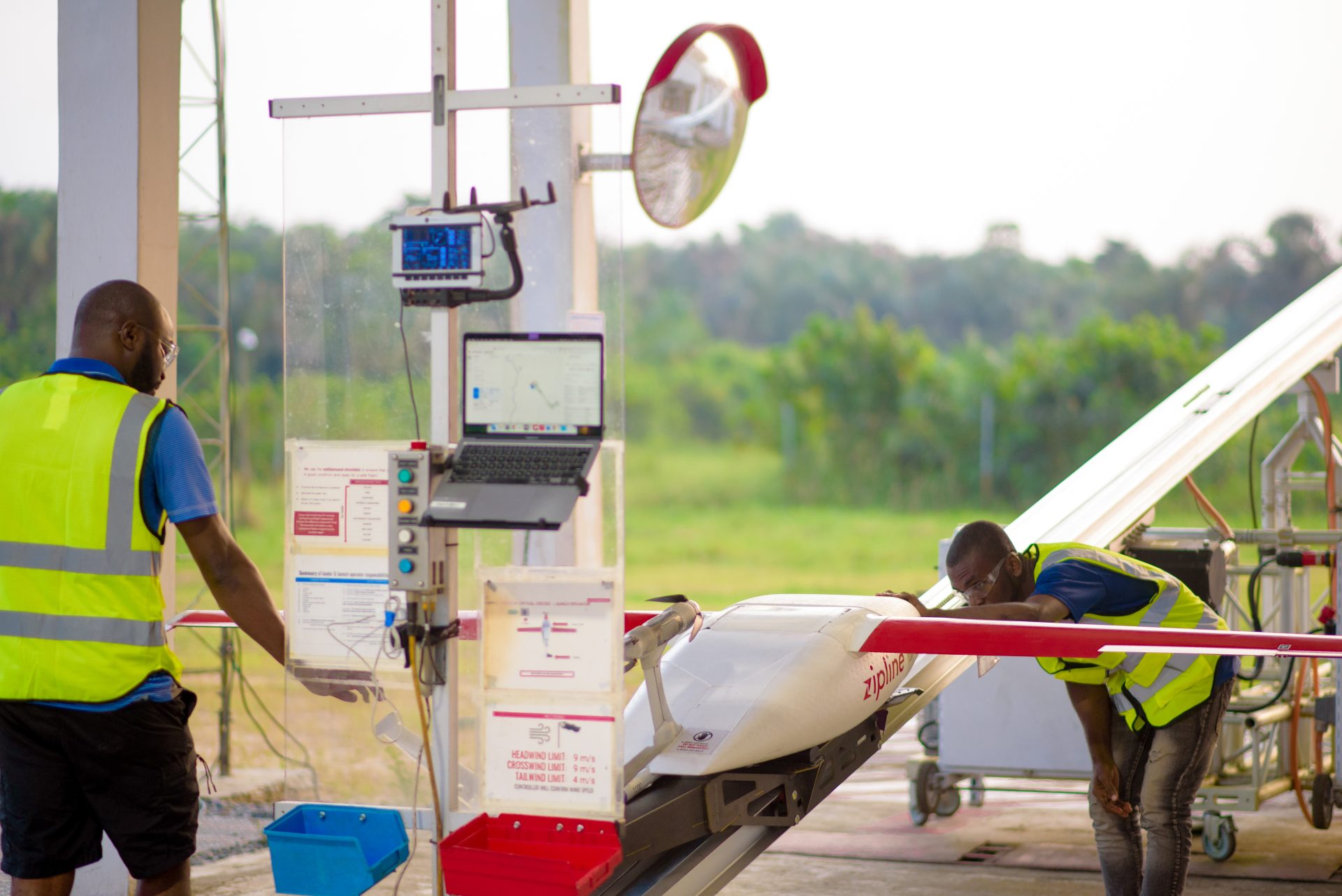
Sama, which has previously faced scrutiny over working conditions for content moderators reviewing Facebook posts, requires employees to sign strict non-disclosure agreements. Workers told Swedish media that Meta’s automatic blurring and anonymisation tools often fail in complex lighting, leaving faces and bodies exposed.
“With cameras in your house, you know where they are,” one annotator said. “These are glasses you wear on your face that keep recording when you take them off and set them on your nightstand”.
The revelations have reached European regulators. A group of 17 Members of the European Parliament from four political groups has formally questioned the European Commission about whether Meta’s practices comply with the General Data Protection Regulation (GDPR), which requires clear consent and transparency for data collection.
Under GDPR, companies exporting EU user data to countries like Kenya, which has not been granted “adequacy” status by the Commission, must implement additional contractual safeguards.
Sweden’s Civil Minister Erik Slottner has demanded answers, warning that the combination of location data and intimate imagery could create serious safety risks if mishandled.

Meta declined to answer specific questions from Swedish media but directed attention to its privacy policy, which states that “in some cases” human review may occur.
A spokesperson told The Telegraph: “When people share content with Meta AI, like other companies, we sometimes use contractors to review this data to improve people’s experience with the glasses, as stated in our privacy policy. This data is first filtered to protect people’s privacy”.
For the Kenyan workers who see these images daily, the psychological toll is compounded by contractual silence. Sama has previously been sued by a South African former employee, Daniel Motaung, who alleged that reviewing traumatic content for Facebook led to post-traumatic stress disorder. That case, which could establish Meta’s liability for conditions at outsourcing partners, is ongoing in Kenya’s Employment and Labour Relations Court.
“The day I found out my glasses were sending video to Kenya, I stopped wearing them,” one early adopter posted on social media. The post was viewed 2 million times.
Featured Image Credits: Svenska Dagbladet