The Ugandan Gig Work App That Took Off By Making Sign-Up Harder

He used to walk door to door in Kampala as a university student, asking strangers if they had work he could do. Now Allan Tumuhimbise is building a platform for the millions of Ugandans who still start every week from zero.
His startup, ProGigFinder, launched in July 2025. has hit 4,000 users and more than 11,600 app downloads with zero paid marketing. The numbers may be small, but the problem it is trying to solve is not.
Uganda’s informal sector employs roughly 95 percent of the workforce, according to International Labour Organisation data. These are electricians, plumbers, cleaners, developers. They have skills. What they do not have is a digital presence. Global platforms like Upwork and Fiverr were not built for these kinds of work in mobile money economies on budget smartphones. So ProGigFinder is attempting to build something that fits the reality on the ground.
“Take a cleaner in Kampala,” Tumuhimbise tells WT. “Right now, their entire livelihood depends on word of mouth. Someone has to know someone who might recommend them. There is no profile, no track record, no scheduled bookings, no way to show what they have done or what they are worth.”
The platform integrates MTN and Airtel mobile money directly, so no bank account is required. It allows users to be both workers and hirers, a dual role that Tumuhimbise argues is natural in economies where people move fluidly between earning and spending.

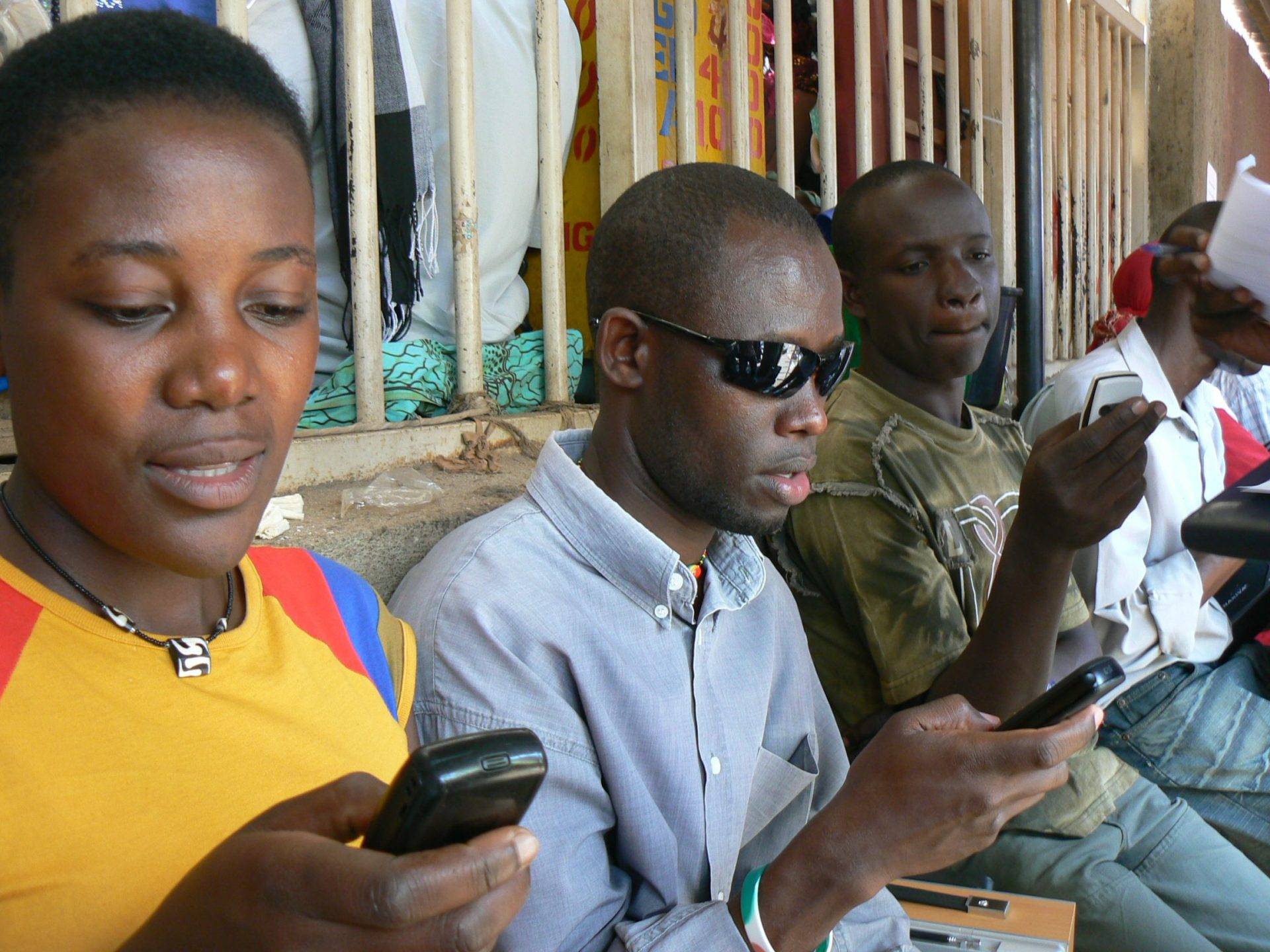






“Someone can post a small gig to get their clothes washed or their compound cleared, and on the other side, someone who needs income today can respond, do the work, and have money on their mobile money account by the end of the day. No bank account needed. No laptop. Just a phone and a skill.”
But building a marketplace in a market like this is not straightforward. Two-sided platforms are famously hard to ignite, and some earlier efforts have faltered.
ProGigFinder has made deliberate choices that run counter to typical startup logic. It introduced a multi-tiered sign-up process that actually reduced daily registrations. “That’s a trade-off we’re willing to make to ensure quality,” Katungye said. Before service providers are approved, the team reaches out personally by phone or WhatsApp.
Payment is held in escrow and released only after the hirer leaves a review, creating accountability on both sides. The platform takes a 10 percent commission on completed gigs and bookings. “We only earn when our users earn,” Tumuhimbise says.
***
The deeper structural constraint ProGigFinder is trying to solve has less to do with technology and more to do with visibility. A cleaner in Kampala today has no work history, no way to show repeat clients, no system for scheduling. On the platform, that same person can build a track record, earn reviews, manage income. They move from being invisible to being discoverable.
“That is the gap we are closing,” Tumuhimbise said. “Not just connecting professionals to clients, but connecting the African economy to itself, across every level of work that actually happens here.”
The timing is crucial as Uganda is facing a severe employment crunch, with more than 40 percent of young people aged 15 to 24 neither in employment nor education, and roughly 150,000 graduates entering the workforce each year. The government has recognised the informal sector as a priority in its Third National Development Plan, but formal job creation has not kept pace.
Meanwhile, mobile money, the backbone of digital transactions in Uganda, now moves trillions of shillings annually across more than 43 million registered accounts. But there is also a tax burden on those same mobile money transactions that some analysts say is pushing users back toward cash.
A 0.5 percent excise duty on withdrawals, a 15 percent duty on telecom service fees, and a 10 percent withholding tax on agent commissions mean that sending and withdrawing UGX 1 M (~USD 269) can cost UGX 20 K (USD 5.38) shillings in fees and taxes. The physical transport cost to deliver the same cash between two Kampala suburbs is roughly UGX 6 K (USD 1.61).
So even when a platform builds the right product, the environment it operates in can pull in the opposite direction.
Tumuhimbise is not waiting for the environment to change, choosing to build with what exists. The platform now offers AI-powered CV support and interview preparation tools. It is focused on Uganda for now, building depth before expanding elsewhere. And it is deliberately ad-free, a choice he says reflects the belief that the workforce the platform serves deserves a clean, premium experience.
“Most platforms were built for people who already have structure around their work—a bank account, a professional profile, clients with clear budgets,” he says. “If you do not fit that picture, those platforms were not really built for you.”
ProGigFinder, he emphasises, is not trying to replace word of mouth as the aim is to give word of mouth a digital spine. The question is whether a platform built on trust and mobile money can scale in an economy where even sending money by phone has become a calculation of cost.
Tumuhimbise is betting, for now, that visibility matters more than speed. A cleaner who gets booked, reviewed, and paid through the platform is no longer starting from zero every week. That, he said, is the point.