Nigeria Ostensibly Promises ‘Free’ EV Imports—Reality Tells A Different Story
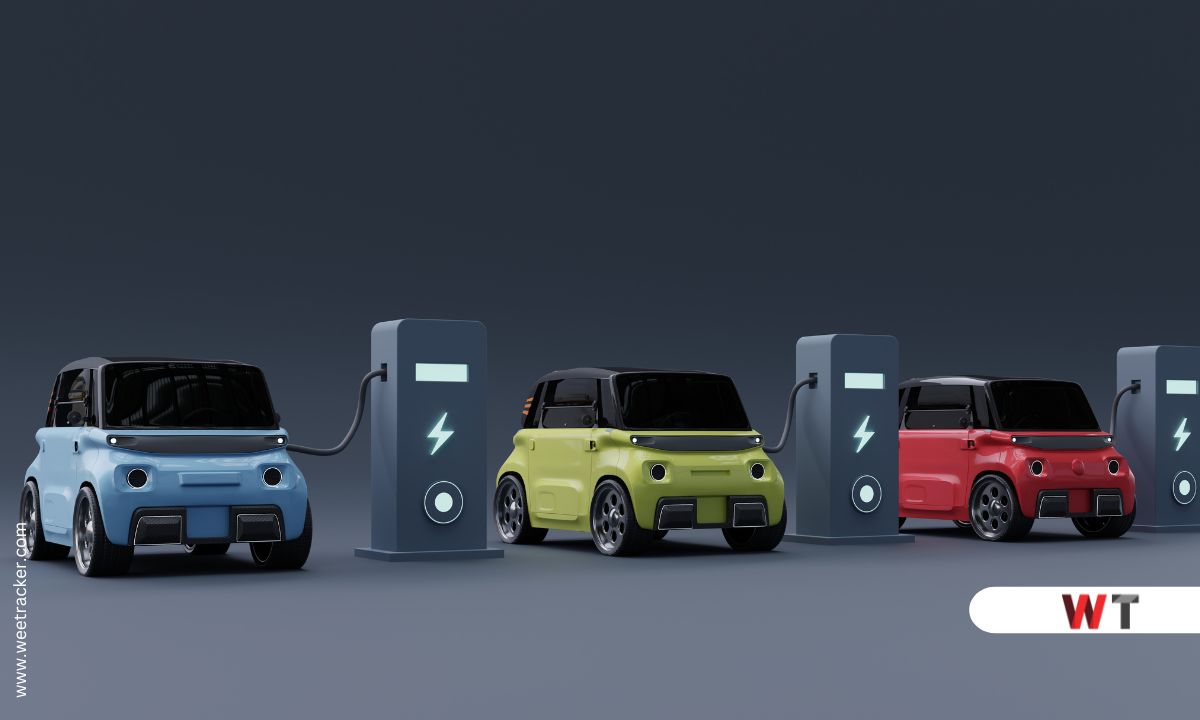
President Bola Tinubu recently expanded the Presidential Initiative on Compressed Natural Gas to include electric vehicles, renaming it PiCNG & EV. The goal is to accelerate Nigeria’s shift to cleaner mobility by making electric vehicles more affordable.
The headline benefit is a waiver of customs duty on imported EVs. For a country where import duties are often the single biggest cost of owning a car, this sounds like a significant incentive. There is even an official portal to apply.
But the fine print reveals a more complicated reality. Applicants must navigate a 12-step process, provide a Tax Identification Number, and pay an administrative fee, suggesting a ‘free paid’ exemption. What the government markets as a duty exemption carries a cost in time, paperwork, and actual cash before a single vehicle can be cleared.
The question is whether a “free” exemption that requires payment and bureaucracy actually moves the needle on adoption.
A look at how other African nations handle EV import incentives suggests Nigeria’s approach is an outlier in its complexity.








Rwanda, which has emerged as a regional leader in green mobility policy, takes a different approach. The East African nation fully exempts electric vehicles from import duties until June 2028. There is no administrative fee attached to the exemption. Its policy simply stipulates that if the vehicle is electric, the duty is zero.
Rwanda’s customs framework also exempts EV batteries and charging equipment from duties, removing friction at every point of entry. It’s an unambiguous signal that the government wants these vehicles on the road.
South Africa presents a contrasting case, but one that also highlights Nigeria’s inconsistency. Imported EVs there face a 25% import duty, which is actually higher than the 18% duty on internal combustion engine vehicles from the European Union. This mismatch has drawn sharp criticism from industry players who argue that South Africa “cannot tax clean mobility as a luxury while claiming to prioritise decarbonisation”.
Local manufacturers like Zero Carbon Charge have called for urgent tax reform, noting that the government’s own 150% manufacturing incentive for EV production is undercut by policies that make the final vehicles too expensive for local buyers.
Nigeria now finds itself in an awkward middle ground. It has announced a waiver, which signals intent. But the accompanying administrative hurdles suggest a reluctance to fully commit. Critics argue that a 12-step application process with fees attached looks less like a nation rolling out the red carpet for electric vehicles and more like one still treating the transition as a bureaucratic exercise rather than an urgent policy shift.
The official announcement from the presidency emphasised that PiCNG & EV will coordinate Nigeria’s clean mobility strategy and work with CreditCorp Nigeria to design financing structures for vehicle conversions. These are important steps. But the general view is that the process must match the promise if the goal is to encourage adoption.
For an average Nigerian looking to import an EV, the waiver on paper quickly meets the reality of paperwork. And in a country where ease of doing business is already a challenge, adding steps to a “free” exemption may simply mean fewer people bother to apply.
Other nations on the continent are showing that simplicity works. Rwanda’s approach is built on zero duties and zero administrative fees. Nigeria’s approach is built on a waiver that requires a fee, a TIN, and a dozen steps. Both are called exemptions. Only one actually feels free.