Why A Fintech CEO Isn’t Losing Sleep Over Kenya’s Steep New Licensing Fee
When Kenya’s Treasury proposed that stablecoin issuers put up KES 500 M (approximately USD 3.8 M) in paid-up capital to operate legally, the instinct was to ring the alarm bells. The crypto industry has spent years operating in a grey area, and now the bill was coming due. Startups would be priced out; innovation would stall. The usual complaints wrote themselves.
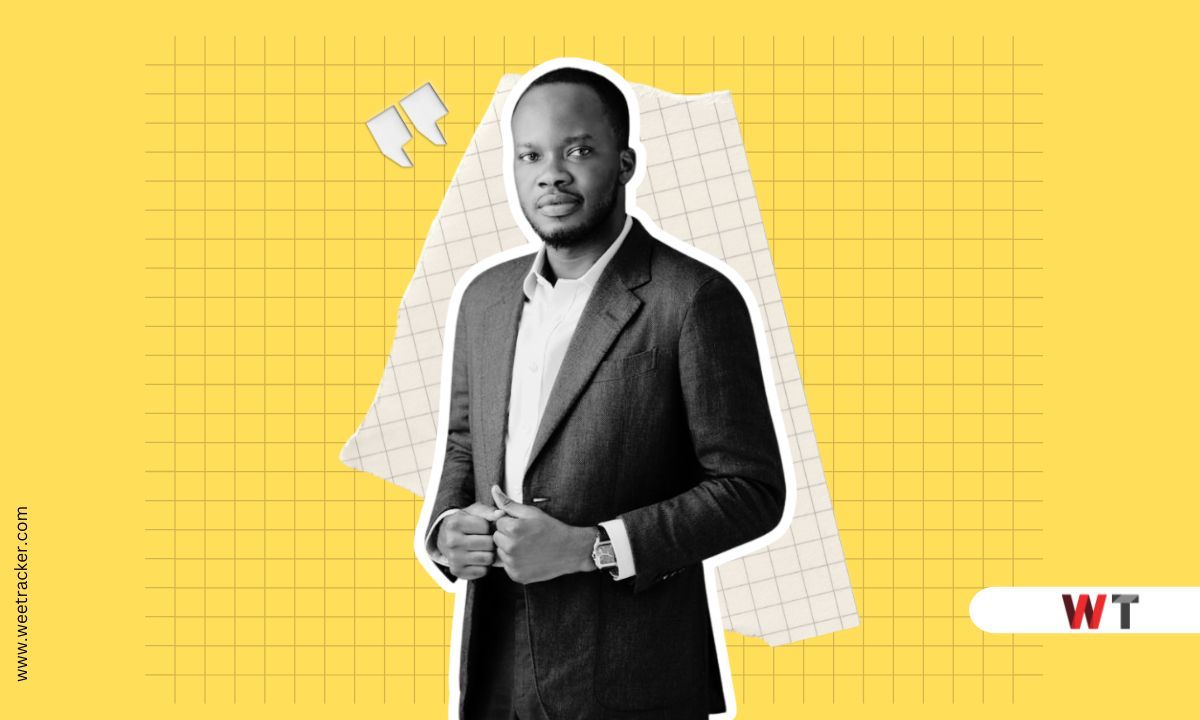
But Ifelade Ayodele, co-founder of cross-border payments company Blaaiz, sees it differently. He thinks the fixation on capital thresholds misses the point.
“I don’t think this is really about excluding smaller players,” he told WT in an interview. “It’s more about Kenya needing to put its house in order.”
Kenya has been on the global financial grey list for two years now. The Financial Action Task Force, the international watchdog, has kept the country under increased monitoring since February 2024, citing gaps in anti-money laundering controls.
The European Commission followed suit last June, adding Kenya to its list of high-risk third countries. For a country that has built its reputation as East Africa’s financial hub, it was a firm nudge to fix the system, or watch the consequences mount.






The draft Virtual Asset Service Providers Regulations 2026 [PDF], released last month, are Kenya’s answer. They set out capital requirements ranging from KES 2.5 M for investment advisers to KES 500 M for stablecoin issuers. They require physical offices, background checks for directors, and strict reserve rules. Public feedback is open until April 10.
For Ifelade, the capital thresholds are a signal, not a barrier. “Things like capital thresholds and licensing are part of that,” he said, referring to the broader push for credibility. “They help signal that the country understands the space and can manage it properly.” Once that foundation is laid, he argues, smaller players can find their way in. The bigger problem right now is the cost of regulatory ambiguity, a cost the market is already paying.
The tension in Kenya’s approach is that regulation doesn’t automatically create inclusion. Mobile money did that. M-Pesa pushed financial access to 91% of the adult population, not because someone wrote rules, but because the infrastructure worked. Regulation came later, he pointed out, and it was designed to protect what already existed.
“What actually drives inclusion is access to financial services, digital rails, credit, and broader policy decisions,” Ifelade said. “Regulation plays a different role. It protects consumers, keeps competition fair, and reduces risk.”
Then there is the capital flight argument. Treasury officials have warned that virtual assets could pressure the shilling, a concern that has shaped some of the tougher provisions in the draft rules. Ifelade acknowledges the risk but says stablecoins are not the root cause.
“If those problems exist, people will always find ways to move capital. Stablecoins just happen to be one of the easier ways to do it.” He describes them as instruments, not instigators. Fix the underlying economic issues, and the tools matter less.
What Kenya does next matters beyond its borders. The country ranks fifth globally in crypto adoption, according to the 2025 World Crypto Ranking report. With USD 19 B in crypto inflows recorded between mid-2024 and mid-2025, and more than six million Kenyans estimated to use digital assets, the regulatory framework being built now could influence how other African markets approach the same questions.
If Kenya gets it wrong, Ifelade said, the first people affected are the serious operators trying to build properly. After that, confidence takes a hit. “Investors and businesses start to look elsewhere,” he said. “Kenya is already a key financial hub in the region. If regulation pushes innovation away, the country loses out.”
The public consultation is still open, and the final rules could shift. But the debate is no longer about whether to regulate. That decision was made the moment Kenya landed on the grey list. What’s not certain is what emerges on the other side, one built for the established players or one that leaves the door open for the next generation of startups.