Musk’s Vulgar Outburst Escalates Tensions In Starlink Standoff In South Africa
He calls South Africa’s black empowerment laws “viciously racist.” His own regulatory team has formally and repeatedly endorsed them.
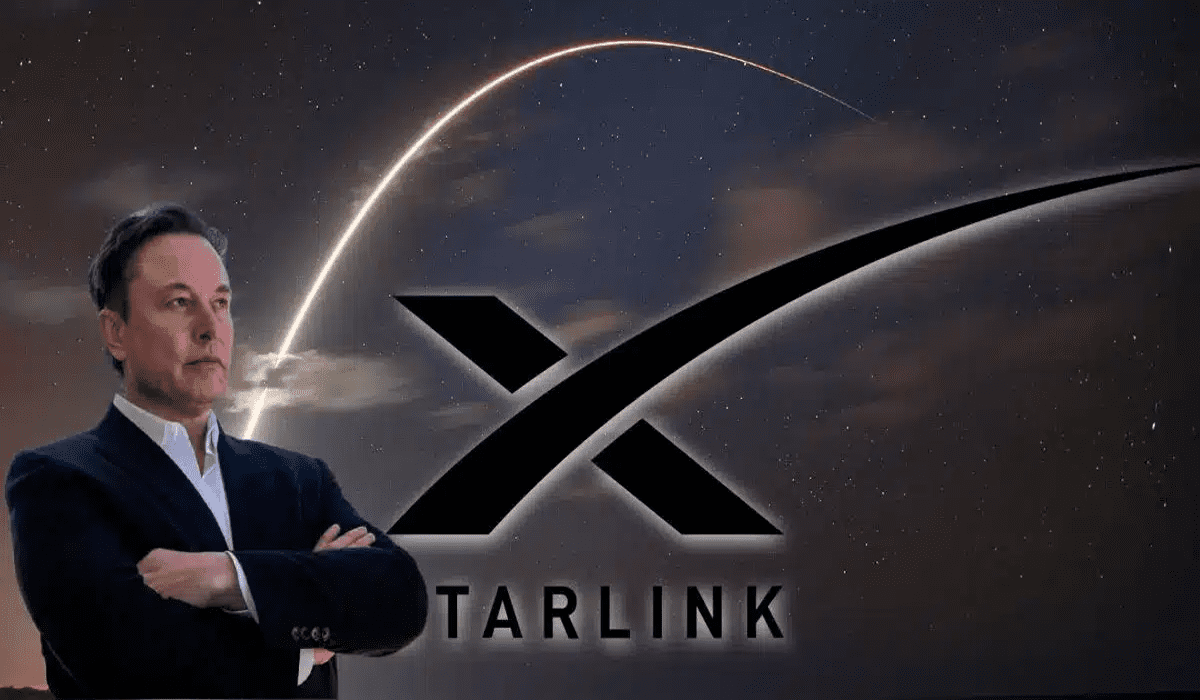
That contradiction lies at the heart of the Starlink impasse, which escalated dramatically over the weekend when Elon Musk called a senior South African diplomat “a fucking racist” and an “asshole” in a profanity-laced exchange on X.
The outburst came after Clayson Monyela, head of public diplomacy at the Department of International Relations, pointed out that more than 600 US companies operate in the country without incident. Musk’s reply was swift and vulgar.
Yet the world’s richest man has since added a new, explosive allegation, claiming his company was repeatedly offered the chance to “bribe our way to a license by pretending that a black guy runs Starlink SA.” He says he refused “on principle.”
Behind the name-calling is a policy standoff with billions in potential investment at stake. South Africa’s telecoms licensing rules require companies to cede 30% equity to historically disadvantaged group, a condition SpaceX says it does not meet anywhere in the world.





But a workaround exists. Equity Equivalent Investment Programmes (EEIPs) allow multinationals to meet empowerment targets through infrastructure or skills investment instead of ownership dilution.
Starlink has proposed channelling close to ZAR 2 B (~USD 121 M) into local infrastructure under such a framework, including ZAR 500 M (USD 30 M) to connect 5,000 rural schools to high-speed internet. The company even launched a dedicated webpage arguing that EEIPs are “a lawful and well-established B-BBEE mechanism.”
So why the stalemate?
Communications minister Solly Malatsi issued a final policy directive in December, instructing regulator Icasa to recognise EEIPs as a legitimate alternative. But Icasa has yet to act, telling ITWeb recently that “the matter is still being attended to internally.”
The directive has faced fierce political pushback, with the ANC-led parliamentary communications committee calling for its withdrawal. Meanwhile, the Broad-Based Black Economic Empowerment (B-BBEE) ICT Sector Council announced a full review of the 2016 ICT Sector Code last week, with public comments due by 20 May.
The government insists it won’t bend. “BEE in South Africa is non-negotiable,” Minister in the Presidency Khumbudzo Ntshavheni said earlier this month. “There will not be accommodations of individual businesses at the expense of South Africa.”
Presidency spokesperson Vincent Magwenya put it more bluntly on Sunday: “There are currently 193 member states in the UN. Surely there’s good money to be made out of 192 markets. It’s OK to move on.”
Musk has shown no intention of moving on. In a post on X following the exchange, he doubled down: “Racism should not be rewarded no matter to which race it is applied. Shame on the racist politicians in South Africa. They should be shown no respect whatsoever anywhere in the world and shunned for being unashamedly RACISTS!”
Starlink operates in roughly 25 African countries, including all of South Africa’s neighbours except Namibia, which rejected its licence application in March. Industry analysts suggest that even if the policy directive survives legal and political challenges, the regulatory process could take 18 to 24 months, putting a realistic launch no earlier than late 2027.
The irony is inescapable. Musk’s company is ready to comply. His regulatory team is ready to comply. But the man himself appears determined to burn every bridge.