Nigeria’s Telcos’ Fintech Business In Limbo As It Loses Key Airtime Lending Pillar
Call Airtel Nigeria’s customer service line today, and, before anything else, a recorded message plays: “The Xtratime service is currently not available.”
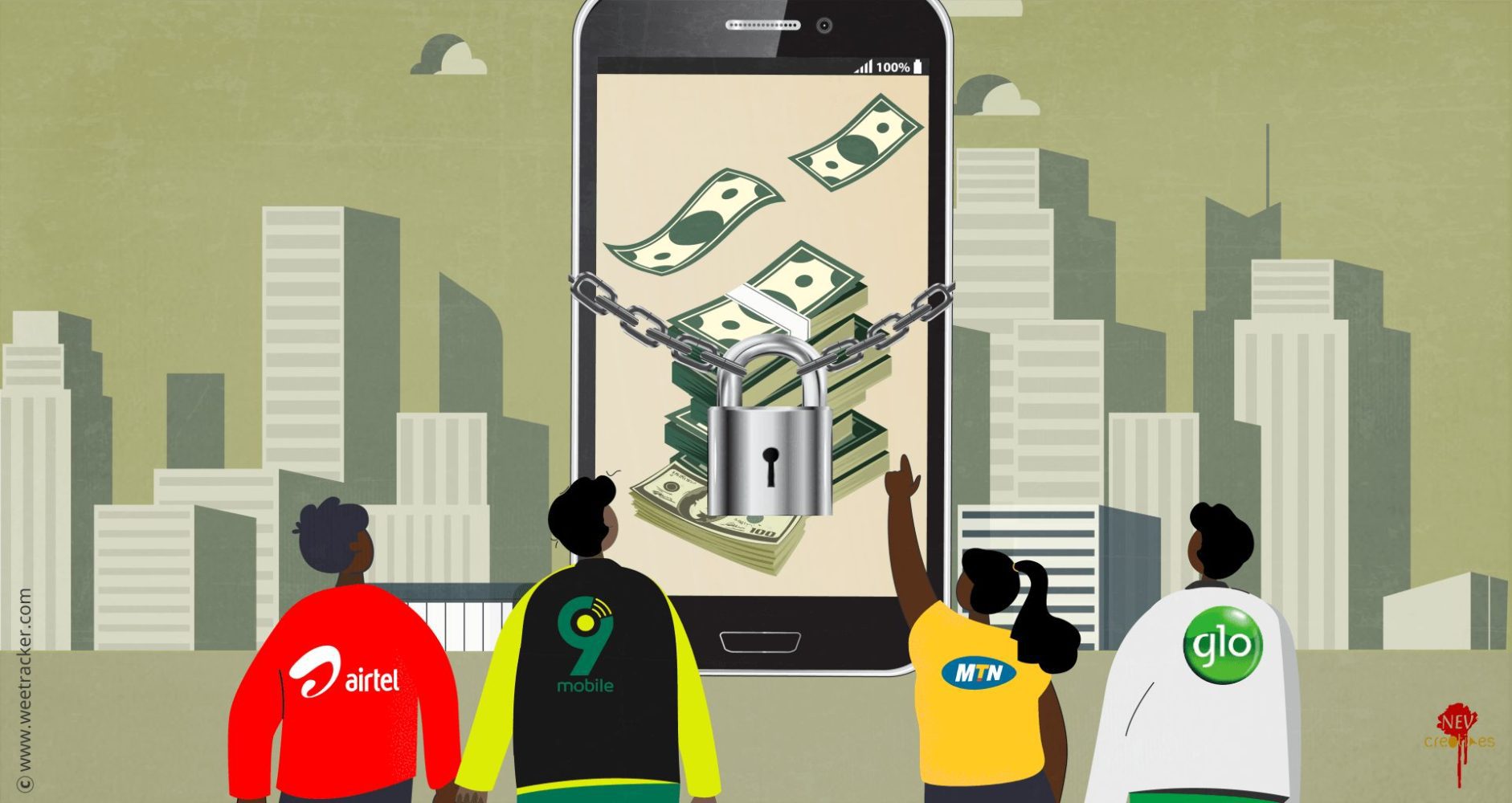
That automated notice is the first sign of a sudden freeze on a multi-billion-naira fintech engine. MTN Nigeria and Airtel Nigeria have suspended their airtime and data lending services to comply with new digital lending regulations, a move that cuts off a revenue stream that has quietly become one of the telecoms’ most lucrative fintech businesses.
In the first nine months of 2025, MTN Nigeria’s fintech arm generated NGN 131.62 B (USD 91.64 M) in revenue, a 72.5% year-on-year surge, with its Xtratime airtime lending product as the primary driver.
For perspective, MTN’s “core fintech” operations excluding airtime lending yielded just NGN 6.8 B during the same period, meaning the vast majority of its fintech revenue is tied directly to these microloans. In the first half of 2025 alone, fintech revenue hit NGN 83 B, up 71.8%, driven largely by Xtratime.
Airtel has followed a similar playbook. Between 2021 and 2025, Airtel Nigeria reported earnings of approximately USD 36 M from its “Buy Now, Pay Later” services for airtime and data, reflecting a roughly 70% year-over-year growth.
Across Nigeria’s telecom sector, analysts estimate operators collectively earn over NGN 400 B annually from airtime lending, with fees ranging from 10% to 15%. Between 2019 and 2023, MTN alone advanced NGN 5.6 T in airtime and data loans.
Yet when MTN announced the suspension on April 16, it told investors that “given the scale of Xtratime within the overall MTN Nigeria revenue mix, we do not expect the temporary suspension to have a material impact on financial performance”. Airtel echoed the sentiment, saying the halt was unlikely to materially affect earnings.
It does seem a bit of a contradiction that a service driving the majority of a NGN 131 B fintech segment, and generating billions more across the industry, is simultaneously deemed immaterial. What the telecoms appear to be signalling is that airtime lending, while massive in absolute terms, remains dwarfed by their core voice and data businesses.
But for their fintech ambitions, the suspension is a significant blow. MTN’s active wallet base stood at just 2.9 million as of September 2025, a fraction of its 89 million subscribers, leaving airtime lending as the main bridge between its telecom and financial services offerings.
It follows that the gap between the telcos’ public statements and their own financials suggests that what’s “temporary” may be more painful than they let on.
***
The country’s two largest telecom operators suspended their airtime and data lending services in mid-April, leaving an estimated 156 million combined subscribers without access to small emergency loans of airtime and data.
The suspension follows intensified regulatory oversight by Nigeria’s Federal Competition and Consumer Protection Commission (FCCPC), which introduced the Digital, Electronic, Online or Non-Traditional Consumer Lending Regulations (DEON) in July 2025. The framework requires all digital lenders, including telecom operators offering airtime advances, to register with the commission and meet stricter consumer protection and transparency standards.
MTN Nigeria announced the suspension in a corporate filing to the Nigerian Exchange, stating its Xtratime service was paused to align with the new compliance and licensing requirements. Airtel followed within 24 hours, with marketing director Ismail Adeshina describing the move as a “necessary and responsible step” toward regulatory alignment.
The FCCPC has denied issuing any ban, instead blaming the operators for failing to comply with repeated deadlines. Operators were initially given a 90-day compliance window from July 2025, later extended to January 5, 2026, and then to April 2026.
“Any temporary suspension introduced by service providers should be understood as a business or compliance decision by those operators, not a ban imposed by the FCCPC,” the commission said in a statement.
The disruption has hit hardest among Nigeria’s low-income earners, who rely on the service for emergency communication and daily business operations. A Lagos banker told local media the service helped manage urgent communication when cash was limited, while a Port Harcourt trader described the suspension as a sudden removal of a “lifesaver” without alternatives. Airtel’s director of marketing acknowledged the halt could disrupt “short-term usage patterns among low-income subscribers”.
At the moment, legal processes are ongoing. The Wireless Application Service Providers Association of Nigeria (WASPA) secured an interim injunction from a Lagos Federal High Court on April 14, restraining the FCCPC from enforcing the DEON regulations. The court adjourned the case to April 27, 2026.
Despite the court order, neither operator has restored services, citing ongoing compliance processes. Both companies have assured customers they can still purchase airtime through banking apps and other existing recharge channels.
For now, the recorded message remains. And millions of Nigerians remain cut off from the credit line they depended on.
For now, the automated notice remains. But the gap between the telcos’ public statements and their own financials suggests that what’s “temporary” may be more painful than they let on.