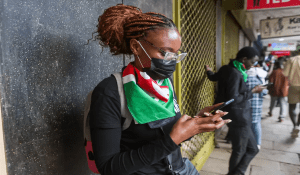
Uganda Backs Off On Policing All Foreign Remittances Amid Economy Crash Fears
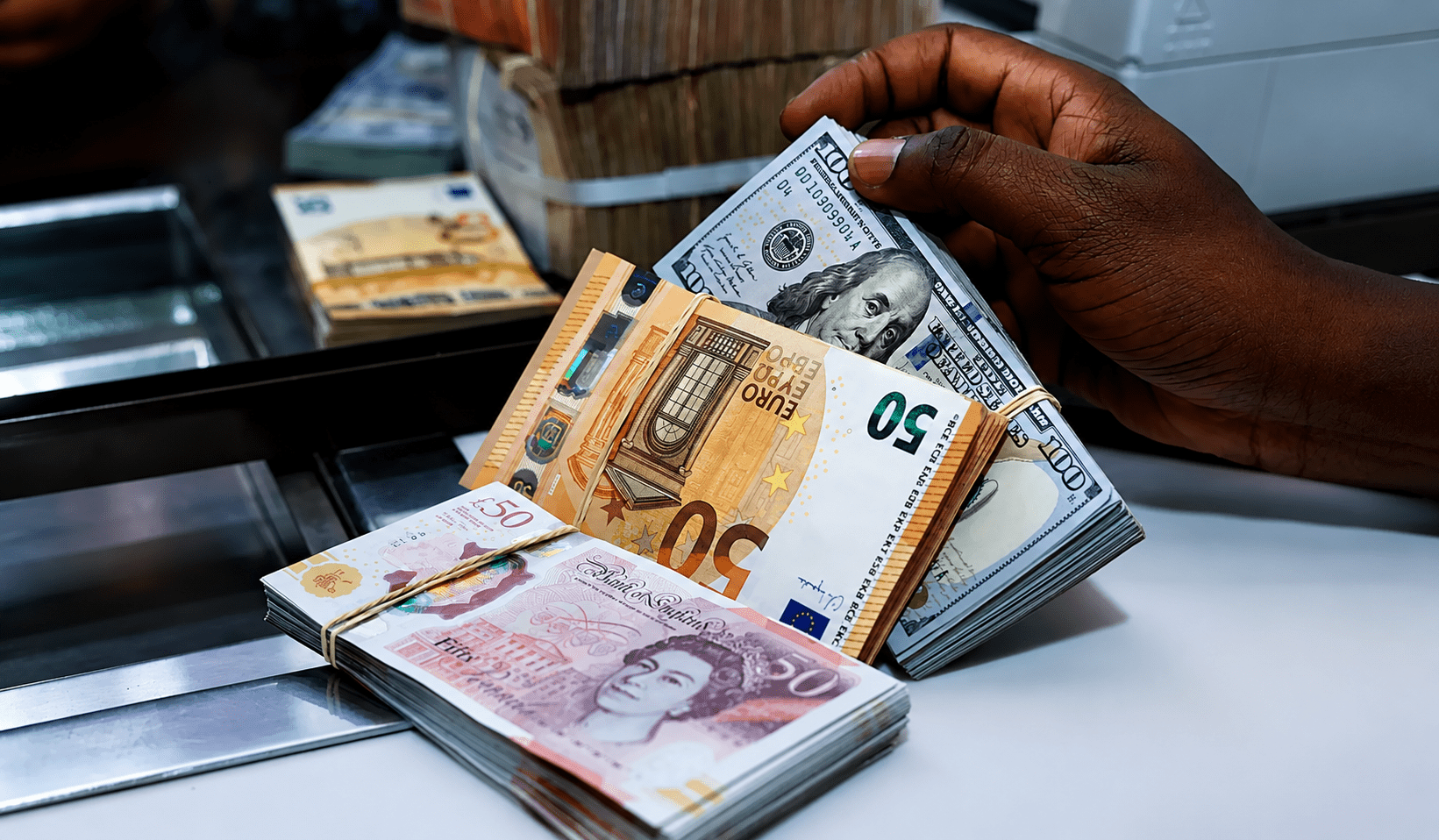
Uganda’s parliament passed legislation on Tuesday targeting foreign influence but significantly softened provisions that would have required any Ugandan receiving money from abroad to register as a foreign agent, after the central bank governor warned the original measure risked an “economic disaster” by choking off remittances.
Remittances from Ugandans living abroad are a vital source of foreign exchange for the East African nation, with inflows reaching roughly USD 2.5 B in 2025, equivalent to about 3.8% of GDP. The earlier version of the Protection of Sovereignty Bill would have required anyone receiving money from overseas to register and disclose all incoming funds, a provision that could have discouraged the steady flow of diaspora cash that helps stabilise Uganda’s balance of payments.
Central Bank Governor Michael Atingi-Ego warned lawmakers last week that the original proposal would diminish financial inflows and risk depleting foreign exchange reserves. “A country without reserves is not sovereign,” he said. “The moment you tamper with these inflows here, we risk running down our reserves, and that is economic disaster for our country.”
The final legislation, which now awaits President Yoweri Museveni’s signature, amended the provision to apply only to people receiving funds for political purposes that advance foreign interests. The change came after intense pushback from economic actors, including the World Bank, which warned the original bill could expose routine development activities to criminal liability.
The law still imposes penalties of up to 10 years in prison for violations. It bans anyone working on behalf of foreign interests from developing or implementing policy without government approval, and criminalises promoting the “interests of a foreigner against the interests of Uganda”.
Rights groups say such broad language would allow the government to criminalise political opposition. The government has accused critics of exaggerating the bill’s impact.
Museveni, in power since 1986, and his allies regularly decry outside influence, accusing domestic rivals of receiving foreign funding to push agendas such as LGBTQ rights. Several opposition parties have traditionally received some of their funding from abroad.
The World Bank halted new lending to Uganda in 2023 after the government enacted a harsh anti-homosexuality law but resumed funding two years later after authorities agreed to some compromises.