Kenyans Furious At PayPal As Frozen Funds And Banned Accounts Hit Many
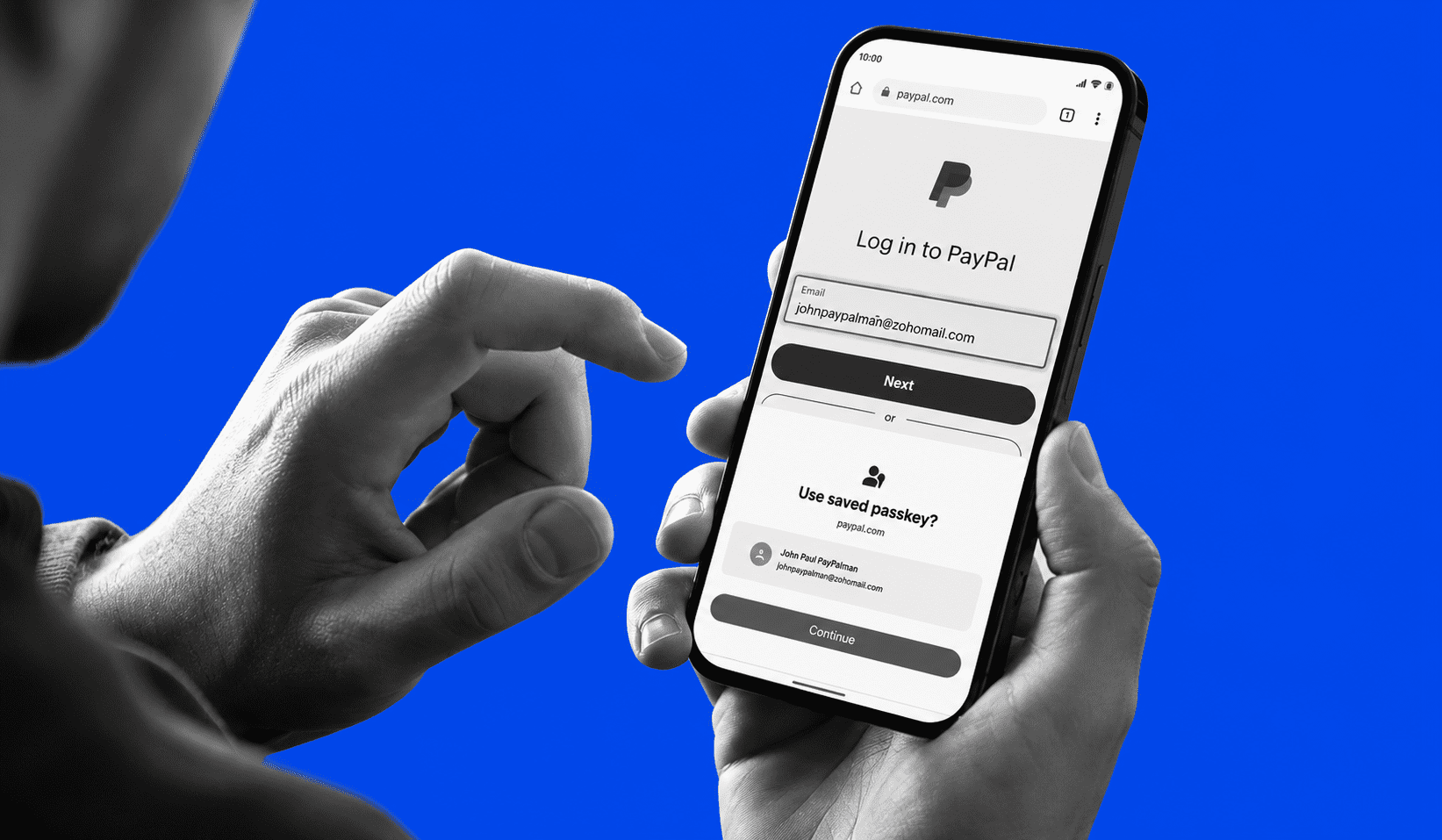
For more than a decade, Kenyan freelancers and remote workers built their livelihoods around PayPal. Now, many of them are locked out of their accounts, with funds frozen and no clear path to access their earnings.
The crisis exploded this week after PayPal began restricting and permanently blocking several Kenyan accounts, citing anti-money laundering compliance and fraud prevention obligations. The company required proof of identity, a physical address, and government-issued identification, along with utility bills, contracts or agreements for freelance work, invoices, and bank statements. The requirements proved impossible for many Kenyans.
One freelance writer said he has been unable to access USD 190.00 (about KES 24.5 K) paid by a client in the United Kingdom after PayPal flagged the transaction. “We have chosen to permanently limit your account following a review, thus you are no longer able to use PayPal,” the company informed him.
The crackdown follows Kenya’s placement on the Financial Action Task Force’s (FATF) grey list of countries considered at increased risk for money laundering and terrorist financing. Enhanced due diligence is now mandatory for all grey-listed counterparties, prompting international payment providers to adopt stricter verification measures. But for affected freelancers, the explanation offers little comfort.
Affected users include freelancers, online sellers, small businesses, artists, and people receiving donations or family support.
One of the most challenging requirements has been proving a physical address. PayPal demands formal documentation such as electricity, water, gas, or internet bills linked to a formally registered residential address. This is not always straightforward in Kenya as many homes are identified by landmarks and informal descriptions, not the structured street addressing common in the United States and Europe.
Accounts that remain non-compliant for more than six months are permanently deactivated without wiring the cash back to the sender. For users whose accounts have already been blocked, balances can be held for up to 180 days, making the platform an increasingly unreliable option for those who depend on timely access to their earnings.
The situation is eerily familiar to Nigerians, who have a painful history with the global payments giant. In 2004, PayPal restricted Nigerian accounts to “send only” status, citing fraud concerns, locking an entire generation of digital entrepreneurs out of receiving international payments. When PayPal partnered with local fintech Paga in January 2026 to finally enable inbound payments, many greeted the news with anger.
“Don’t use it!” one Nigerian user posted on X. “They seized our people’s money for years and stigmatised us as fraudsters. We have better local platforms that do it faster and cheaper”.
Many Nigerians lost thousands of dollars over two decades of account freezes and withheld funds. Sceptics warn that PayPal’s return does not erase the past. A Nigerian user whose account was locked immediately after receiving a one-dollar test payment after the Paga partnership remains blocked.
Across both countries, PayPal’s automated systems have been accused of flagging legitimate African users as suspicious, and demanding documents that ignore how people actually live and work on the continent.
Direct withdrawal from PayPal to M-PESA, as an alternative, has long been available to Kenyans, but that does not solve account freezes. The Pan-African Payment and Settlement System (PAPSS) now offers instant local-currency transfers across African borders, bypassing correspondent banking chains. Other fintechs like Flutterwave, Paystack and Grey have filled the gap PayPal left behind.
But for many Kenyans who have seen their earnings held hostage by compliance paperwork they cannot produce, none of that helps right now.