The Unlikely Rise Of A Sickle Cell Survivor Behind A Data Centre & Tech City In Nigeria’s Overlooked Region
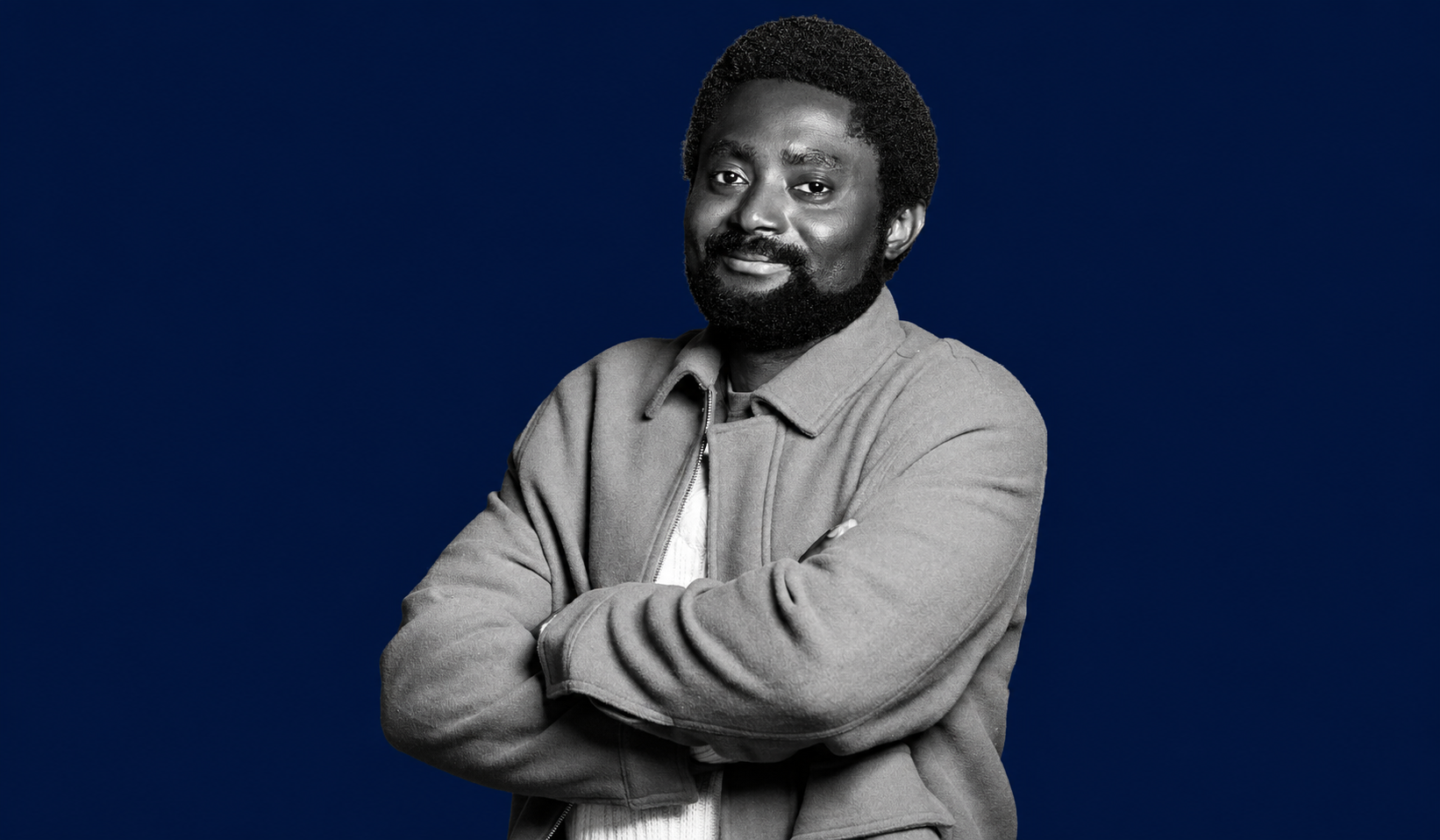
The meeting nearly ended with Ugi Augustine Ugi thrown out of the room. It was 2016, and he had come to tell the Calabar Carnival Commission that its biggest annual event was leaving money on the table. Why, he asked, did a festival that drew 100,000 people a day still depend on government funding every year? Why not merchandising, a streaming economy, commercial sponsors?
“They were not ready for that conversation,” Ugi tells WT. Nearly a decade later, his company runs the carnival’s digital registration, voting and stakeholder systems.
That persistence runs through Nugi Group, the company Ugi founded in 2016 in Calabar, a port city in Cross River State in southern Nigeria. It also explains a business that has grown by taking on problems others avoided, often in places others ignored.
Ugi was born with sickle cell anaemia. The illness shaped his first ambition. He wanted to become a doctor because he wanted to help people like himself. “Medicine made sense to me as a child because of what I was living with,” he says.
The pivot came in secondary school at the West African Peoples Institute in Calabar, where he was a laboratory prefect. In 2004, a telecoms engineer arrived to install computers. Ugi kept asking questions about the internet and how the systems worked. Those conversations opened a door that medicine could not close. He later realised he had not abandoned the original impulse. “I still wanted to solve problems and improve people’s lives,” he says. “Technology simply became the tool I chose to do it.”
By 2006 he was learning web development on a partial scholarship and working in a cybercafé. His parents, both civil servants, were not impressed. Technology, in their view, was a path to becoming a secretary, he said in a previous interview in which he also revealed that he entered a televised game show on his father’s phone, won NGN 20 K (around USD 155.00 at the time) , and used his share to pay for a programming course. He never collected the certificate after a dispute over e-books, but he kept the knowledge.
***
Nugi nearly did not survive its early years. The company grew to 23 employees, then shrank to five as clients paid late and deals collapsed. “The most dangerous thing an early-stage company can do is grow its headcount before it’s grown its revenue discipline,” Ugi tells WT.
The near-death experience hardened the company. Every hire, product and partnership, he emphasised, had to justify itself. There were other low points, including a major health setback that forced him to pause almost everything. He wrote about that period in a memoir, Blood of the Phoenix.
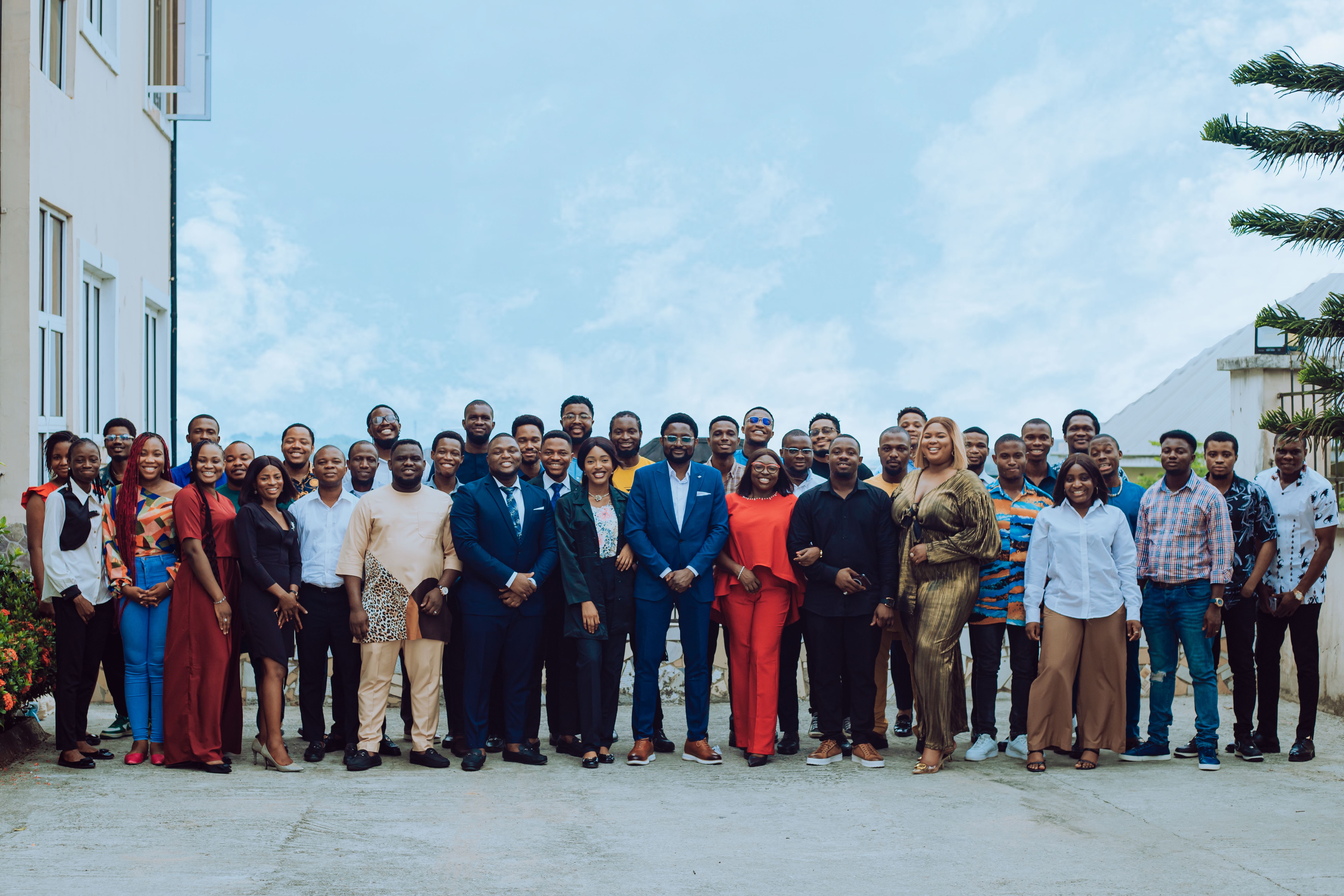
What Nugi built instead was a business anchored in government contracts, an unusual path for a Nigerian tech company seeking scale. It took on revenue administration, land management and citizen services for Cross River State.
The founder says its systems helped the state grow internally generated revenue, the taxes and fees the state collects itself rather than federal handouts, by 60.6% to NGN 36.3 B between June 2023 and May 2024. By December 2024 the figure had reached NGN 46 B. More than 7,500 land files have been digitised, and certificate-of-occupancy processing has been cut to 21 days for government land.
The numbers are looking up, though the causal chain is harder to verify. Revenue can rise because software closes leakages. It can also rise because enforcement tightens, tax rates change, or inflation pushes nominal receipts up. Nugi’s biggest client is also its biggest concentration risk given that state budgets tend to move with oil receipts and political priorities. A change of governor can change a vendor’s fortunes overnight.
Ugi is aware of the scepticism. He points to Cally Air, the state-owned airline, as an example of what he means by government needing expertise rather than cash. “Five aircraft, no naira of government funding, yet flying on goodwill to build a sustainable, independent business model,” he says.
Cally Air is owned by the Cross River State government, and the state procured its fleet. Ugi says the government gave goodwill, introductions and access to partners, while Nugi brought the engineering and commercial structure. He notes that the distinction between government money and government goodwill is a fine one, and it defines both the risk and the opportunity of his business model.
***
Nugi did not raise venture capital. Ugi says it was both a constraint and a choice. “We were based in Calabar, building technology for government and businesses. We were not a consumer startup chasing millions of users, so the funding ecosystem was not really designed for us,” he says, while also implying that the constraint became a discipline. “You cannot spend 18 months figuring out whether something works while burning someone else’s money.”
In 2024, he turned Nugi Tech into Nugi Group, adding education, agriculture, media, infrastructure and real estate. The thesis, he says, is overlooked talent and overlooked opportunities. He points to Terra Grid, a surveying and mapping business built around a brilliant, young surveyor he met in Calabar, at a time when the World Bank valued Nigeria’s land systems at more than USD 300 B. “People look at technology, agriculture, construction, media and real estate and see diversification,” he says. “I see the different parts of an ecosystem.”
The ecosystem is anchored by a plan for a technology city in Akpabuyo, 23 minutes from Calabar airport, with a Tier IV data centre at its core. Tier IV certification means 99.99% uptime, the kind of reliability banks and cloud providers need to host critical systems locally. Nugi says the facility will draw power from a nearby hydro turbine, an 80-megawatt solar farm, Cross River’s gas reserves and the national grid as backup. It is also exploring a subsea cable landing in Akpabuyo.
The gap between software contracts and capital-intensive infrastructure is vast. A data centre of that specification demands financing, engineering talent and power reliability at a scale Nugi has never operated. Ugi says the wider city is a nine-year project. “Lagos already had many people solving Lagos problems,” he says. “Cross River had gaps that needed people willing to build.”
At 40, he frames success in terms of legacy rather than achievement. “I want to create opportunities for other people,” he says. “I was once a young boy in Calabar trying to figure out what was possible. If what we build makes that path easier for the next person, that means more to me now than simply building another company.” The harder question is whether the path Nugi is building can outlast the political goodwill that helped clear it.