Nigeria’s Sudden Phone Crackdown Is Leaving Users In The Dark
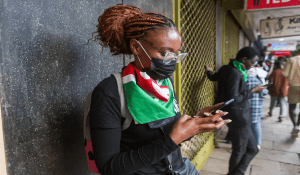
Thousands of Nigerian mobile phone users have begun receiving automated text messages warning that their devices will be disconnected from local networks within 30 cumulative days, triggering confusion and anxiety across Africa’s largest telecoms market.
The alerts, sent under the sender ID “NCC-Checker,” inform recipients that their handsets are not type-approved for use in Nigeria and direct them to contact their seller or dial *315# to check their status.
The messages are part of the Nigerian Communications Commission’s (NCC) Device Management System (DMS), which took effect on October 7, 2026. The system uses the 15-digit International Mobile Equipment Identity (IMEI) number embedded in every phone to cross-reference devices against a database of approved models.
Devices already active on Nigerian networks before the October rollout—approximately 231 million—were automatically verified and are not affected. The flags are being raised on newly connected smartphones, tablets, routers, and Point-of-Sale terminals imported through unofficial channels or bought abroad.
The NCC says the crackdown targets counterfeit, cloned, and substandard devices that undermine network quality and escape import duties. “Type Approval is not merely a regulatory requirement. It is a vital mechanism for protecting consumers, safeguarding network performance and preserving confidence in Nigeria’s digital economy,” said Edoyemi Ogoh, the NCC’s director of technical standards and network integrity. The regulator has also clarified that the system does not access personal messages, photos, or financial data.
However, the rollout has collided with the reality of how phones reach Nigerian consumers. The country imports almost all its smartphones, and a vast share moves through informal channels that leave no clean import trail. Users of brands including Infinix, Tecno, and Google Pixel—devices that are legitimate but often enter Nigeria through independent importers—have reported receiving the warnings.
The Association of Mobile Phones and Allied Products Traders of Nigeria (AMPAT) has warned that validation fees of about NGN 670.00 for basic phones and nearly NGN 4 K for high-end models will be passed on to consumers already squeezed by inflation.
The controversy has drawn intervention from the National Assembly. In late October, the House of Representatives mandated its Committees on Communications and Commerce to engage the NCC and industry stakeholders to review the verification framework, warning that the policy must not penalise owners of genuine second-hand devices or impose steep compliance costs that undermine digital inclusion.
The NCC has urged affected users to return to sellers or call its 315 helpline. What remains unanswered is how many of the flagged phones are counterfeit imports and how many are legitimate handsets that entered the country without a stamp the system recognises.