Canal+ Faces Pressure On Prices & Politics After MultiChoice Takeover
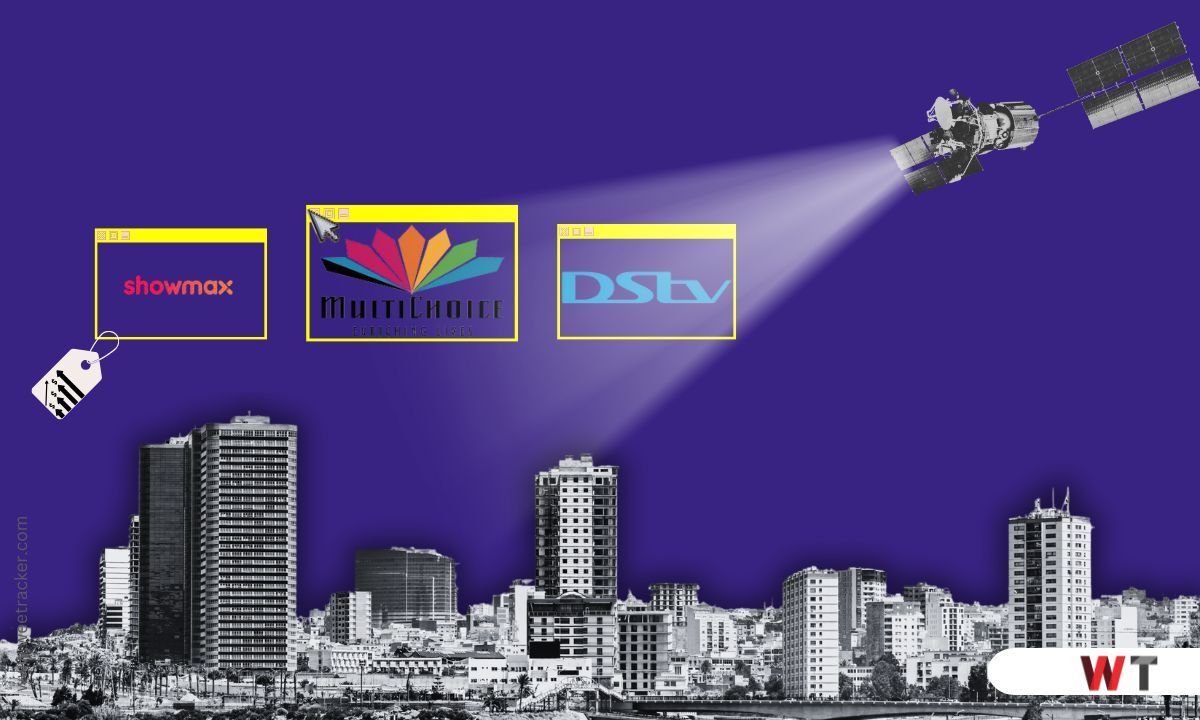
French media giant Canal+, fresh off securing approval for its USD 3 B takeover of MultiChoice Group, is already discovering that reviving the pay-TV operator will involve more than reversing subscriber losses. Navigating a thicket of government pressure from Accra to Lagos, where regulators are increasingly treating the company less like a private enterprise and more like a public utility, constitutes another existential headache.
In Ghana this week, Communications Minister Samuel Nartey George ordered MultiChoice’s DStv unit to slash subscription prices by 30% or face suspension of its broadcasting licence. George accused the company of “cheating Ghanaians for years,” rejecting DStv’s argument that cedi depreciation—over 200% in eight years—necessitated price increases.
“I have directed the NCA to act swiftly. If by August 7 DStv has not complied, their broadcasting licence will be suspended,” George said, vowing to protect consumers amid economic hardship.
MultiChoice Ghana dismissed the demand as “not tenable,” warning that forced price cuts could jeopardise jobs and service quality. It instead proposed freezing prices while halting revenue transfers to headquarters, an offer summarily rejected by George, who pointedly asked why MultiChoice complied with court orders in Nigeria and not in Ghana
For Canal+, which only last month won conditional approval from South Africa’s Competition Tribunal to complete its acquisition of MultiChoice, Ghana’s ultimatum highlights the uncomfortable reality that while turning around a loss-making broadcaster with stalled growth is one challenge, dealing with African governments willing to dictate prices is quite another.
Ghana’s move is not an isolated case. Across Africa, MultiChoice has repeatedly found itself in regulators’ crosshairs. In Nigeria, the Federal Competition and Consumer Protection Commission (FCCPC) this year ordered MultiChoice to suspend planned price hikes and filed charges against its local unit for allegedly obstructing investigations.
Lawmakers weighed in too, with the House of Representatives passing a motion to freeze the increases. A competition tribunal later fined MultiChoice NGN 150 M (~USD 107 K) and ordered a month of free service for subscribers after the company defied an injunction. The country’s data protection agency also recently slapped a NGN 766 M (~USD 500 K) fine on the broadcaster last month for alleged data privacy violations.
Elsewhere, Malawi’s regulator blocked price increases in 2023, prompting MultiChoice to exit the market entirely. In Sierra Leone, authorities fined the company for “profiteering,” while in Kenya, competition officials pressured it to share sports broadcasting rights with rivals in a landmark antitrust legal battle.
These disputes reflect how African governments frequently view pay-TV not as a luxury service but as a consumer rights issue, particularly in economies grappling with inflation and currency volatility.
For Canal+, the task of stabilising MultiChoice’s finances now comes with a heavy dose of political risk. MultiChoice posted a ZAR 800 M (USD 45 M) headline loss in its 2024/25 fiscal year, hit by falling subscribers, weaker currencies, and mounting streaming losses at Showmax.
The French group has pledged about ZAR 26 B in public-interest commitments to secure regulatory approval in South Africa, including investment in local content and sports broadcasting. But analysts warn that frequent government intervention in other markets could weigh on future growth.
For now, Ghana’s price dispute could set the tone for Canal+’s pan-African strategy. If Accra prevails, regulators in other markets may be emboldened to demand similar concessions, further complicating Canal+’s efforts to transform its biggest African bet into a sustainable business.