From Romance To Recovery Scams: Crypto Heists Target South Africans
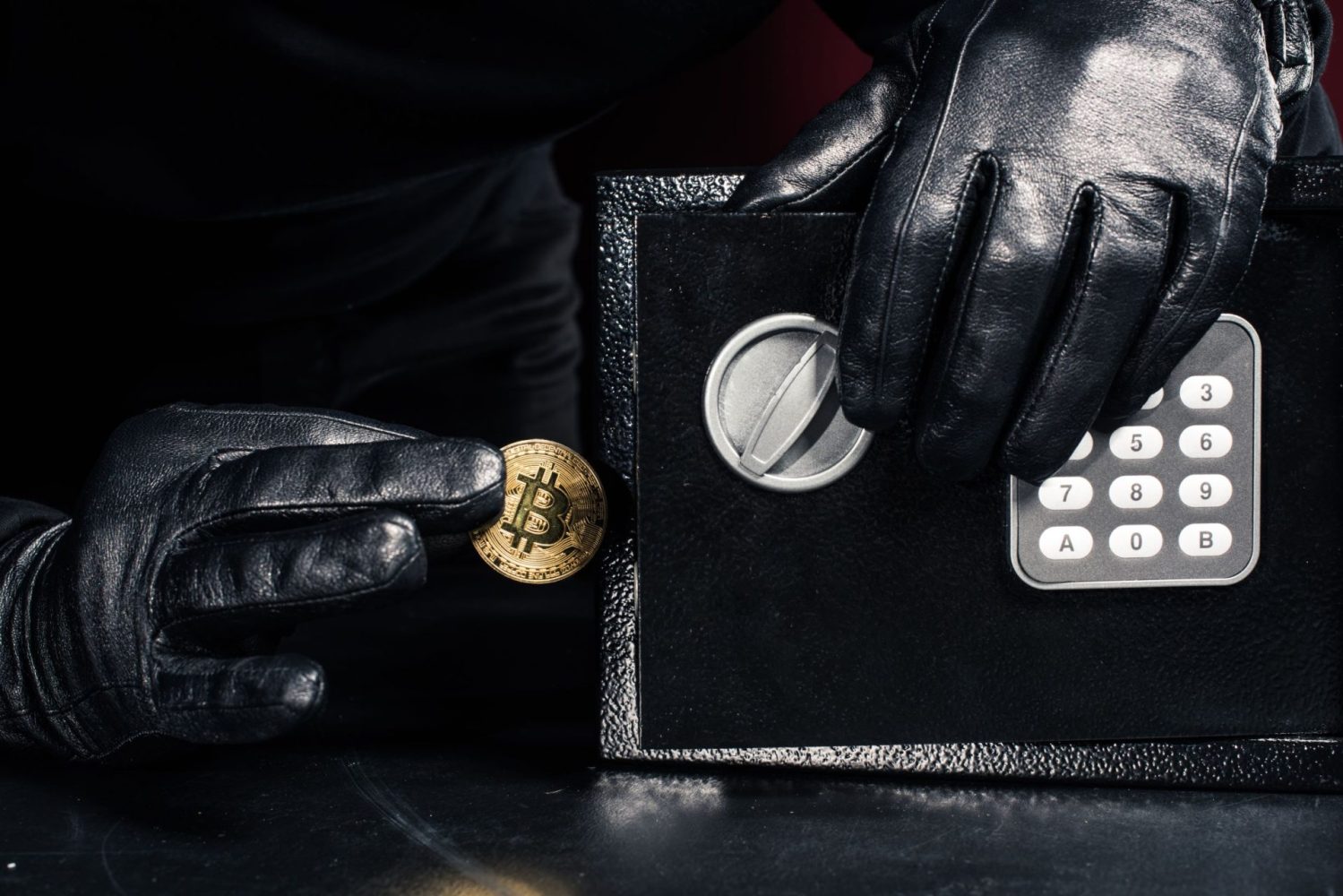
John (not real name) thought he had found a friend. For years, the South African man sent money (sometimes small transfers, sometimes larger ones) to a woman he met online. Over four and a half years, he sent Anna millions of rands after she told him she was jailed and needed help with attorney fees. By the time he realised it was a scam, he had transferred more than ZAR 4 M (~USD 227 K), mostly in cryptocurrency, across 80 separate transactions.
Cases like John’s are increasingly common in South Africa, where cryptocurrency adoption is among the highest in the world and scams are growing in sophistication. In just three months, the exchange, Luno, says it handled over 500 customer queries linked to scams. The company has more than 14 million users globally, and while the fraction affected is small, the sums lost are devastating and almost always irretrievable.
South Africa has become one of the largest crypto markets on the continent. Surveys suggest as many as one in ten adults hold digital assets. That growth has come alongside an expanding ecosystem of payments, trading, and new products, such as tokenised U.S. stocks.
But with wider use comes more exposure. Romance fraud is just one tactic. Some victims are tricked into handing over account access to people posing as financial advisers. Others receive phishing links disguised as login pages.
In one recent case reported by Luno, a user lost nearly ZAR 200 K (~USD 11 K) after repeatedly ignoring scam warnings over two years. Another lost savings when a compromised email, secured by the same password reused across multiple platforms, gave hackers access to his crypto wallet.
***
Luno’s data points to young South African men aged 20 to 40 as the most frequent victims, followed by women in their 20s and older women above 55. Both men and women are equally represented in reported cases. Victims are often motivated by the promise of quick returns.
“Many find it hard to resist outsized returns and the possibility of getting rich quickly, a common vulnerability which scammers exploit,” said Christo de Wit, Luno’s South Africa country manager.
But the scams are not always about personal greed. Some customers unwittingly become money-laundering intermediaries, Luno reveals, asked to receive deposits in their bank accounts and move funds into crypto wallets, taking a small cut in return. Others lose funds through simple mistakes, like sending coins to incompatible wallets.
Crypto exchanges have tried to stay ahead of fraudsters. Luno says it flags suspicious transactions and has built partnerships with blockchain analytics firms to trace illicit flows. It also cooperates with South Africa’s regulators, including the Financial Sector Conduct Authority and the Financial Intelligence Centre, which have been stepping up oversight of the sector.
But the nature of cryptocurrency itself limits what platforms can do. Once coins leave a wallet, they are usually gone. There is no bank to call, no central authority to reverse a transfer.
South Africa’s new licensing regime for crypto platforms, introduced under the FSCA late last year, is meant to give regulators greater visibility. Yet enforcement remains patchy, and scams continue to evolve faster than oversight.
***
Crypto’s role in South Africa is expanding beyond speculation. Since launching in late 2024, Luno Pay, a retail payments tool, has processed tens of millions of rand in transactions. That expansion into everyday payments raises the stakes as more people using crypto means more opportunities for scammers to exploit.
For now, the burden of defence falls heavily on individuals. Exchanges and regulators can warn, but it is users who must remember to vary passwords, enable two-factor authentication, and be suspicious of offers that sound too good to be true.
For John, and hundreds of others like him, those lessons came too late. The very decentralisation that attracts many to crypto—the absence of intermediaries—also leaves victims with little recourse.
South Africa’s crypto economy is growing quickly, but its vulnerabilities are growing just as fast. As adoption spreads, so too does the shadow economy of fraud that thrives on trust, deception, and the irreversibility of the blockchain.
Feature Image Credits: Tom’s Hardware