Ghana’s Digital Banking Upstart Makes Inroads Offline To Beat MoMo & Banks
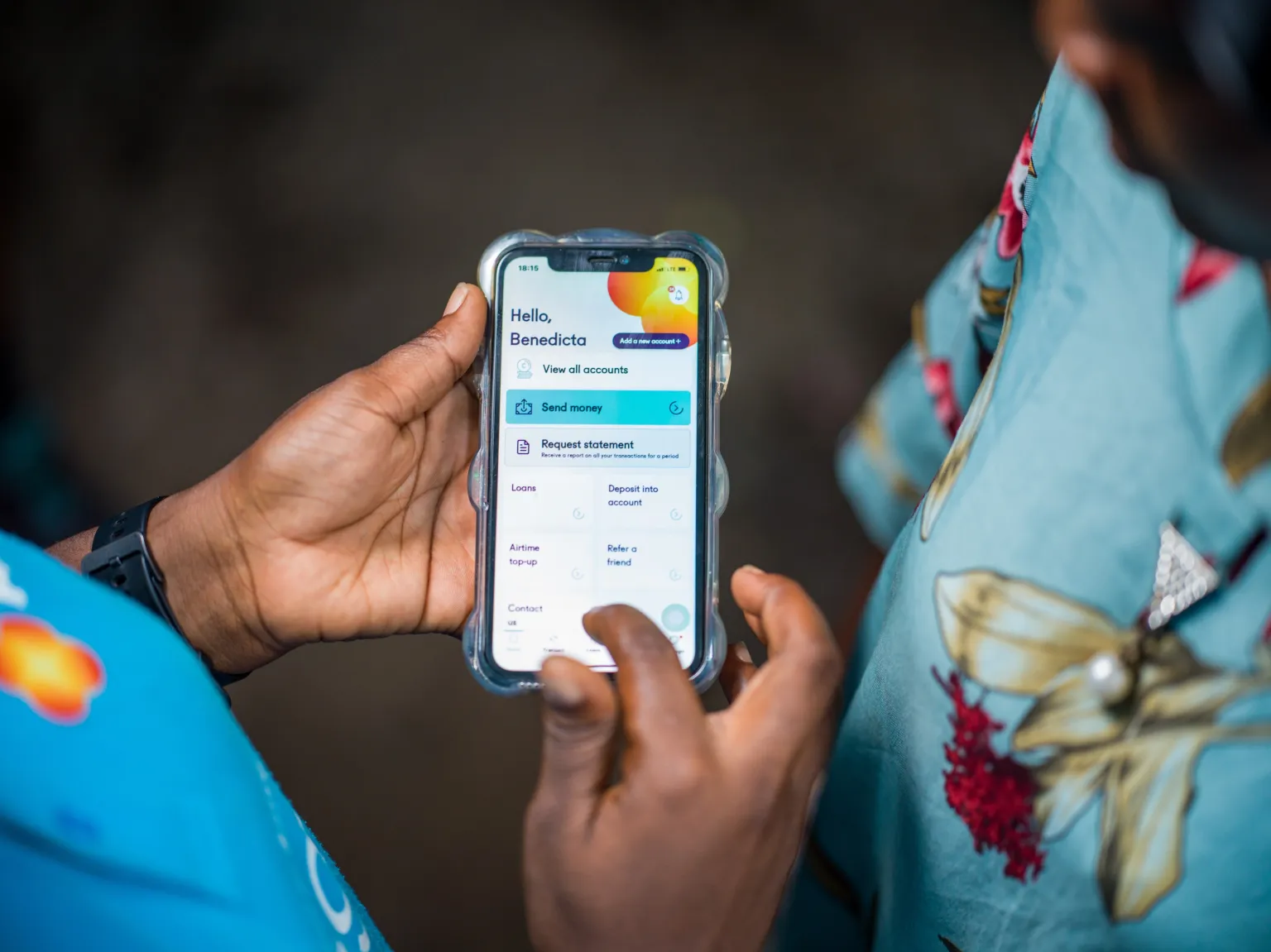
Affinity Africa is betting that Ghana’s banking future lies somewhere between mobile money agents on the street and sleek digital dashboards on a smartphone. The digital bank this month launched Affinity Boost, a savings product that lets users set specific goals, fix a tenor, and add funds at any time, even through automated top-ups.
The pitch is a flexible way to grow money in a country where banking has often been costly, rigid, or out of reach.
“Boost offers market-leading interest rates with unmatched flexibility by allowing customers to top up their savings at any time,” Abdul-Jaleel Hussein, CEO of Affinity Ghana, told WT.
“This makes it especially well-suited for MSME owners and informal workers whose incomes can be irregular.”
What makes the launch noteworthy is less the product itself than the strategy underpinning it. Affinity’s offline agent network has become a bridge for trust in a market where fully digital banking remains suspect.
These agents—mimicking those successfully deployed by some of Africa’s digital banking unicorns such as Moniepoint and TymeBank—meet customers in markets and workplaces, cutting out long trips to bank branches, and often serve as the first point of contact for small traders and informal workers.
More than half of those onboarded by agents eventually migrate to Affinity’s mobile app, a trend the company sees as evidence of rising digital literacy among its users. CEO Hussein describes the model as a deliberate effort to start with human contact, then nudge customers into digital channels once trust and familiarity are built.
“[The network] allows us to meet customers where they are… without them needing to waste valuable hours travelling to a bank branch.”
***
The timing is significant. Ghana’s financial sector is dominated by telco-led mobile money services, which handle everyday transfers but stop short of offering full banking services.
Traditional banks, meanwhile, continue to report healthy returns, but these are driven by fees and high lending rates that exclude large swathes of the population. Affinity is positioning itself in that gap, promising no account fees, affordable loans, and savings products like Boost that target users with irregular incomes.
The company’s growth suggests it has found an audience. Since its October 2024 launch, Affinity says it has attracted more than 80,000 customers, with nearly 90 percent opening their first-ever bank account on the platform.
About 60 percent of them are women in the informal economy, the demographic most underserved by traditional banks. The startup has also disbursed millions in loans, reporting repayment rates above 97 percent, bettering industry averages and attracting investors who have backed the startup to the tune of USD 13 M so far, including a notable USD 8 M seed round in February.
***
Still, the model faces tests. Ghana’s strict regulatory environment is one reason so few digital banks have emerged, and Affinity’s license from the Bank of Ghana, the first of its kind in over a decade, sets a high bar for compliance.
Competition is also rising. Traditional banks are investing in digital channels, while fintechs and payment providers continue to expand their offerings. Affinity’s reliance on maintaining lower operating costs and raising deposits in local currency may shield it from foreign exchange risks, but sustaining market-leading rates on savings and loans as it scales will depend on keeping those efficiencies intact.
Hussein argues the edge lies in combining affordability with breadth. “True financial inclusion isn’t just about payments,” he told WT. “Customers need savings, credit, investments, and insurance to build resilience and wealth. The sustainable market opportunity for digital banking lies in offering a full suite of services at radically lower costs.”
For now, Affinity’s moves reflect a cautious but ambitious strategy to leverage agents to win trust, use tech to drive adoption, and fill the gap between mobile money and legacy banks.
Products like Boost are a piece of that puzzle, signalling that Ghana’s newest digital bank wants to be more than a payments app or a lender. Scaling that model sustainably in a crowded, regulation-heavy market (that’s already a mobile money stronghold) would be key to growing from a promising upstart into a long-term fixture of Ghana’s financial landscape.