Libya, Africa’s Biggest Oil Holder, Taps Clean Energy With First Solar Power Plant
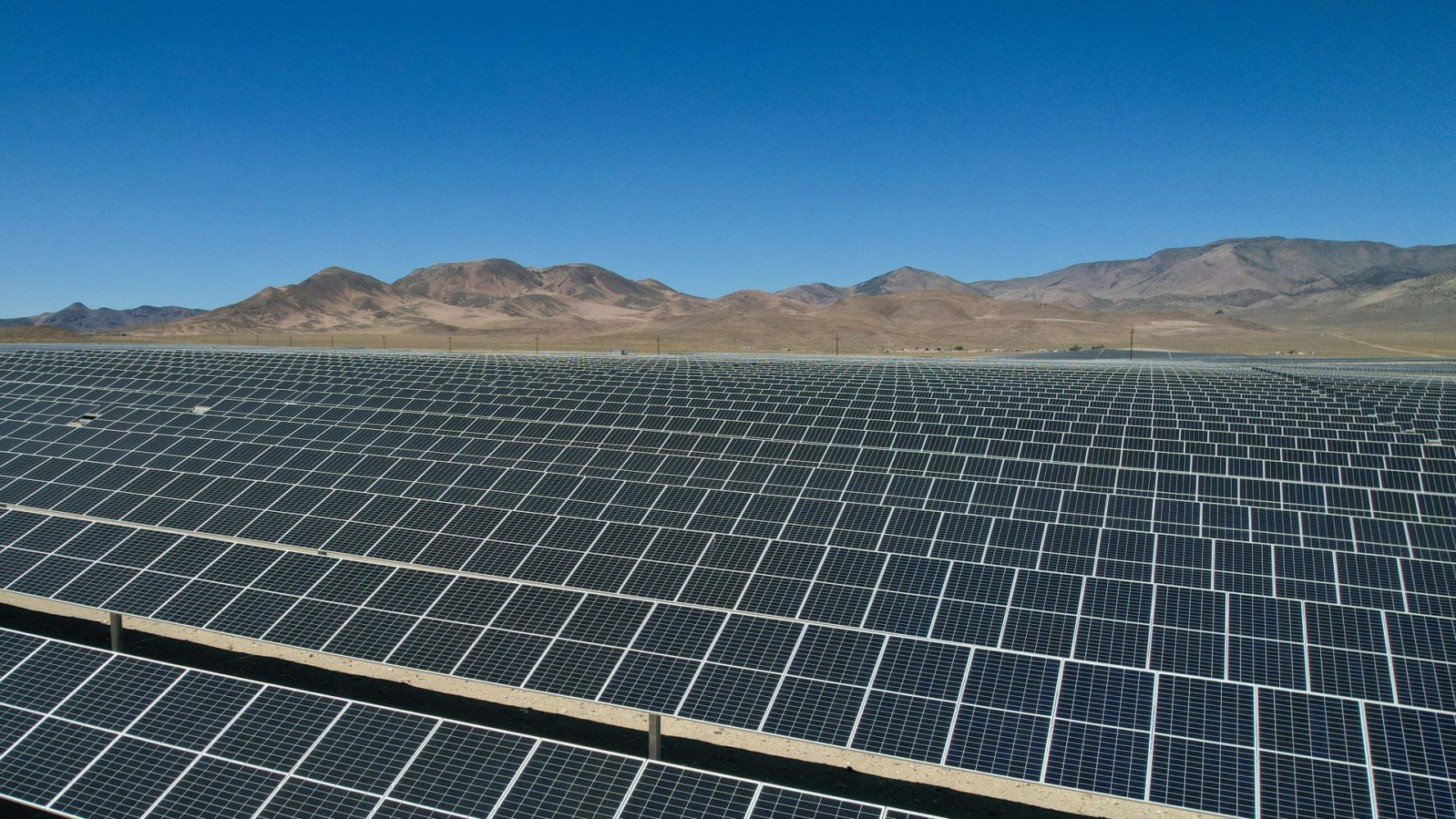
Libya, the holder of Africa’s largest proven oil reserves, has officially commissioned its first solar power plant, marking a pivotal moment in the country’s efforts to diversify its energy sources and reduce dependence on fossil fuels.
The new solar facility, located in the remote southeastern region of Kufra, in the heart of the Sahara Desert near the borders with Egypt, Sudan, and Chad, was completed in just eight months. Now operational, it is generating clean power that will directly supply the Al-Jouf Free Zone, one of the area’s main industrial and economic hubs.
With a peak capacity of 1.14 megawatts (MW), the plant is estimated to generate about 2,182 megawatt-hours (MWh) of electricity annually. That output is enough to meet the energy needs of between 500 and 1,000 households, depending on consumption.
The solar plant is expected to reduce diesel consumption by about 545,000 liters per year and cut 1,300 tons of carbon emissions annually, contributing meaningfully to environmental sustainability and energy diversification in Libya.
A Country of Oil, But Short on Power
This milestone comes in a country long defined by oil. At the start of 2024, Libya held 48 billion barrels of proven oil reserves, representing 4% of Africa’s total and ranking among the largest in the world. And like many oil-dependent states, Libya has historically relied on diesel generators to meet electricity demand in remote areas.
Yet despite this oil wealth, Libya, with a population of 7 million, struggles to meet its domestic energy needs. The national grid, heavily dependent on oil and gas-powered plants, struggles to meet demand, which is projected to reach 20 GW in 2025.
Faced with these challenges, authorities have turned to renewable energy to diversify the country’s energy sources. Solar power has been identified as a resource of immense potential, given Libya’s vast desert expanses and some of the highest levels of solar radiation on the planet.
The national energy strategy has set a target of achieving four gigawatts of renewable capacity by 2035, which would make up 20% of the country’s power portfolio.
But beyond its environmental benefits, the project has created job opportunities and provided technical training in Kufra, a sparsely populated but strategically important region. The emphasis on local employment and knowledge transfer has been highlighted by Infinity as a cornerstone of its work in Libya.
Kufra solar project
The Kufra solar project was jointly developed by Infinity Libya, a subsidiary of renewable energy company Infinity Power, in collaboration with Touch Company. Investment agency Lamsa Company for General Contracting and Real Estate Investment acted as the main contractor.
The agreement for the project was signed on 24 September 2024, and the facility was completed in record time, a rarity in a country where infrastructure projects often face delays due to political instability, financing difficulties, or security concerns.
The plant is now operated entirely by a trained team of Libyan engineers employed by Infinity Libya, a deliberate move to build technical capacity within the country and reduce reliance on foreign expertise.
“This solar plant is more than just a first for Libya; it’s a model for sustainable development that we hope to replicate across the region,” said Mohamed Ismail Mansour, Co-founder and Chairman of Infinity. “Delivering this project ahead of schedule is a proud moment for our team and for Libya. It signals what is possible when strong partnerships and local talent come together in service of a shared vision for clean, reliable energy.”
“This project represents a turning point for renewable energy in Libya,” said Fahd Benhalim, Managing Director of Infinity Libya. “With the Kufra plant now operational, we are not only reducing dependence on diesel but also laying the groundwork for more ambitious developments. We are actively working to expand renewables in key sectors, including oil and gas, agriculture, and industry, ensuring that clean energy becomes a cornerstone of Libya’s future.”
Libya’s first solar power plant is modest in scale compared to the country’s oil infrastructure, but it signifies a notable step in the country’s transition to clean energy. For a nation defined for decades by oil exports and plagued by energy blackouts at home, the successful commissioning of a solar facility, built quickly, run by locals, and delivering real benefits, offers a new narrative.
Now, the desert sun, once seen only as a harsh backdrop to Libya’s vast oil fields, may now play a central role in powering the country’s future.