Turbulence Ahead: Kenya Airways’ Profit Engine Stalls on Spare Parts Shortage
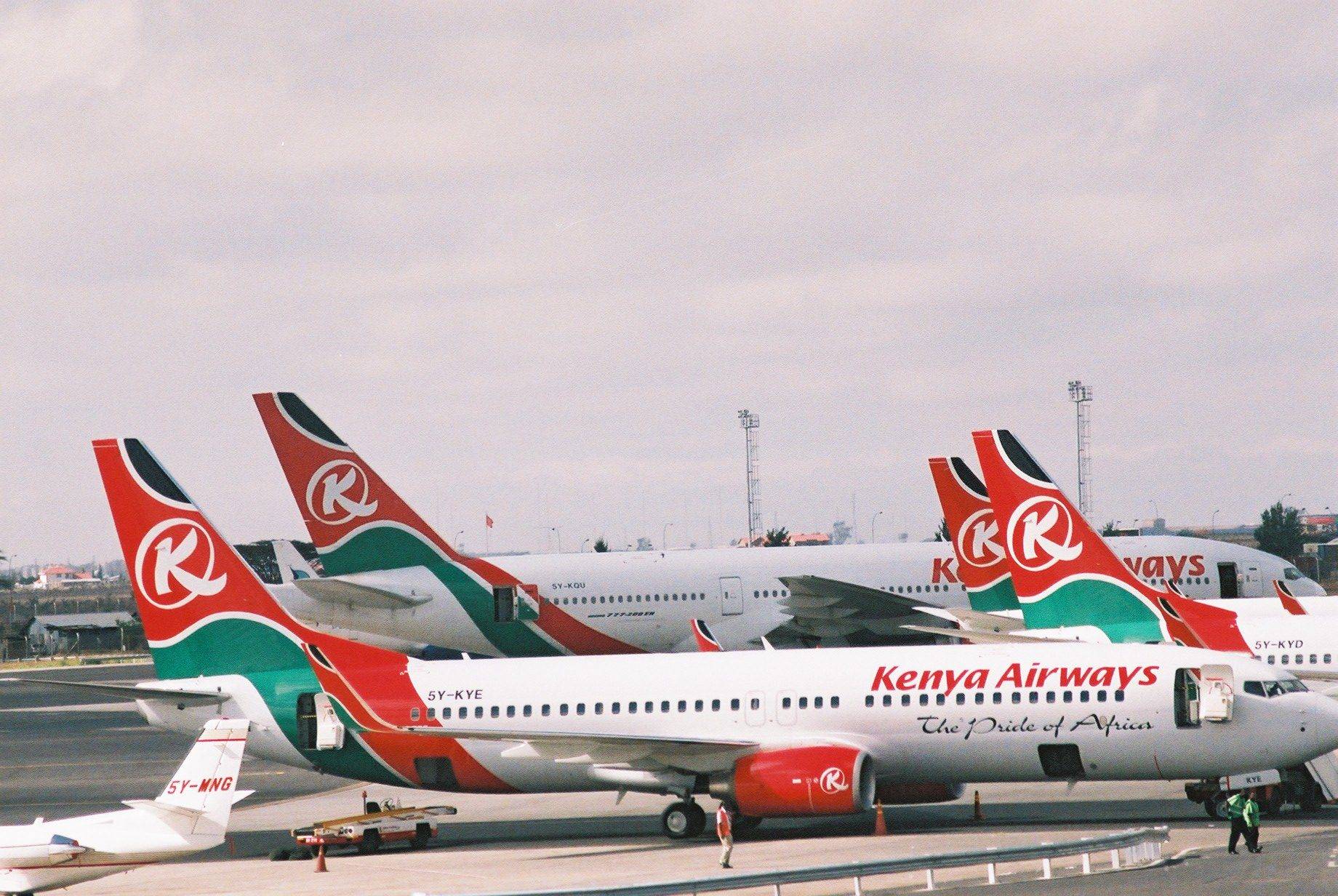
Kenya Airways (KQ) has reported a half-year net loss of USD 94 million for the period ending June 30, 2025, a significant reversal from the USD 3.97 million profit recorded a year prior. This financial downturn is primarily attributed to a combination of operational headwinds, including fleet groundings and global supply chain constraints.
The airline’s capacity and revenue generation were severely impacted by the temporary grounding of three of its nine Boeing 787-8 Dreamliner aircraft. These groundings, a direct result of limited engine availability and global spare parts shortages, led to a 14 per cent decline in passenger numbers and a 19 per cent drop in revenue compared to the same period in 2024. While operational costs were reduced by 10 per cent due to decreased flying activity, this was not enough to offset a 29 per cent increase in fleet ownership costs.
The global aviation industry’s operational challenges have been exacerbated by persistent supply chain disruptions. These issues, a lingering effect of the COVID-19 pandemic and subsequent geopolitical events, have led to significant delays in aircraft deliveries from major manufacturers like Boeing and Airbus.
Furthermore, a shortage of critical components, particularly engines and spare parts, has prolonged maintenance cycles and forced airlines to ground aircraft, as Kenya Airways’ CEO Allan Kilavuka explained.
“In 2025, some of our wide-body fleet (Dreamliners) were grounded from January to June and July, the reason being that we do not have engines that we had sent to the shop back in time for them to fly,” he said, adding that liquidity challenges had made it difficult for the company to fasttrack engine production ahead of other clients who do not have similar cash flow problems.
Industry reports from early 2025 indicate that these supply chain bottlenecks, while showing signs of stabilisation, are not expected to be fully resolved until 2026, posing a continued threat to airline fleet renewal and expansion plans.
Kenya Airways is also experiencing challenges from the competition, particularly Ethiopian Airlines, which has inked a new deal with Abu Dhabi’s Etihad Airways to expand both airlines’ reach across Africa, the Middle East, Asia and Australia.
Mr Kilavuka says Kenya Airways is actively pursuing a multi-pronged recovery strategy, including the restoration of its grounded fleet before the end of the year. The airline is seeking to raise at least USD 500 million in new capital to stabilise its liquidity, fund fleet expansion, and diversify revenue streams.