South Africa’s Solar Boom, Fuelled By Tax Breaks, Lures Billions In Cash
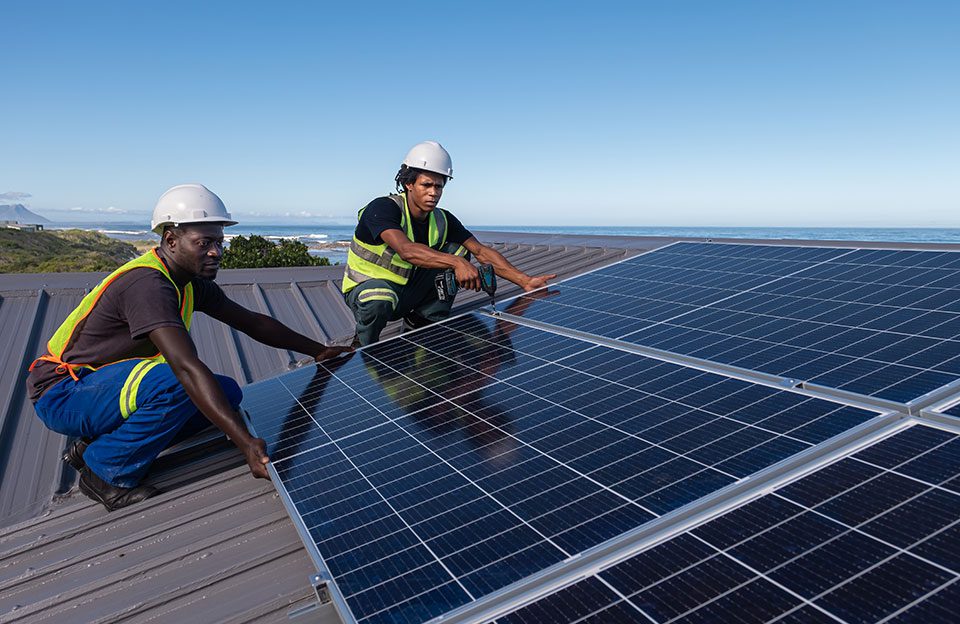
South Africa’s tax incentives for renewable energy have spurred more than ZAR 1 B (over USD 50 M) in private investment for commercial solar projects in under two years, fund manager Jaltech said on Monday, showing how fiscal policy is helping to ease reliance on state power utility Eskom.
The investments highlight a sustained shift towards solar power among businesses, even after the country resolved its severe power cuts last year. The surge in investment highlights how targeted fiscal policy is mobilising private capital to help businesses wean themselves off the struggling state power utility, Eskom Holdings SOC Ltd.
The drive is now fueled by the economics of cheaper solar power and a permanent tax break, after a temporary, more generous incentive expired.
The key policy, a permanent allowance known as Section 12B, permits a full 100% tax deduction for investments in renewable energy assets. This followed a temporary boost that allowed a 125% deduction, which ended in February 2025.
Jaltech, which describes itself as South Africa’s largest Section 12B solar fund manager, said it has used the incentive to fund over 250 commercial solar projects totalling 48 megawatts (MW), backed by more than 600 private investors.
“The Section 12B incentive has been a key driver of investment for our investors,” said Jonty Sacks, a partner at Jaltech. “Without it, the R1 billion already deployed by Jaltech would not have been available to the market.”
Jaltech pools money from private investors to fund and own solar installations on the rooftops or properties of commercial businesses. In return, the investors get a double benefit: a significant tax break and a share of the long-term, predictable revenue from selling the solar power back to the host company.
Under the model, investors receive a tax benefit and a share of revenue from the solar power, while businesses get a lower-cost electricity alternative without the upfront capital or operational risks.
The solar market is cooling from its peak in 2023, when the enhanced tax break was in effect. South Africa added about 1.1 gigawatts (GW) of solar capacity in 2024, down from a record 2.6 GW the previous year, according to the statement.
However, the continued investment indicates that commercial solar adoption remains strong, driven by businesses seeking protection from Eskom’s steep tariff increases, which have far exceeded inflation for years.
Jaltech, founded in 2010, manages over ZAR 2 B in capital from retail investors, with half dedicated to its solar strategy.
Feature Image Credits: SolarWow