Africa Moves Beyond The Dollar As Standard Bank Activates Direct China Payment Rail
As Washington’s relationship with Africa faces diplomatic friction, China is moving quickly to strengthen its economic foothold on the continent. China has already become Africa’s largest trading partner, and now it is tightening the financial links that support that trade.
South Africa’s Standard Bank, the largest bank in Africa by assets, has now placed itself at the center of this shift.
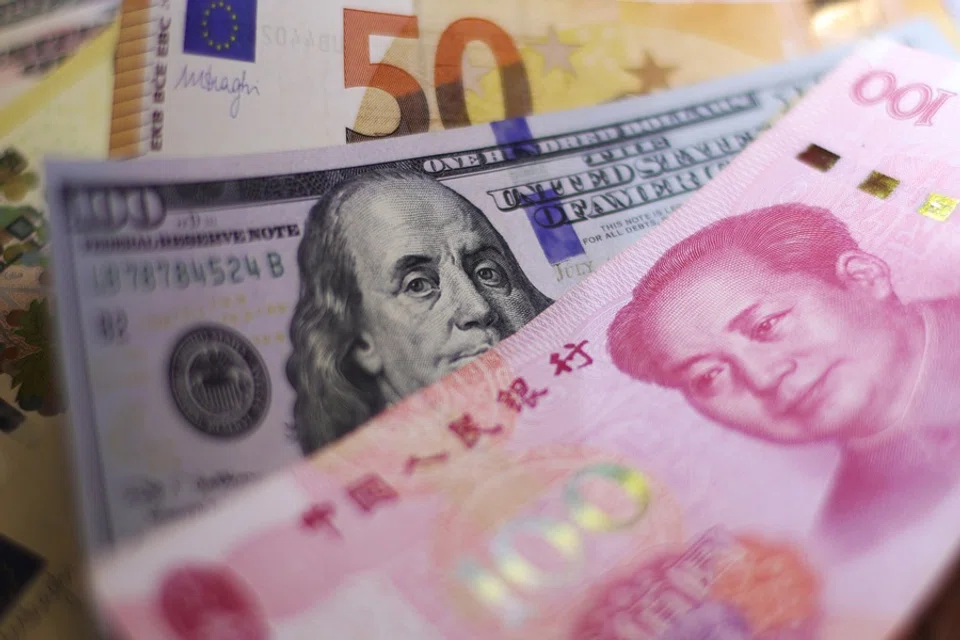
The bank has become the first African institution to connect directly to China’s Cross-Border Interbank Payment System (CIPS). This integration allows African companies to settle payments with Chinese suppliers in Renminbi (RMB), removing the long-standing requirement to route everything through the US dollar.
For many African firms, especially those in import-heavy sectors, it is an alternative financial rail that promises fewer obstacles and more direct access for African businesses.
The timing comes as Africa’s reliance on Chinese goods continues to grow. According to the Standard Bank Trade Barometer 2024, 34% of African businesses now import from China, up from 23% just a year earlier. In the first five months of 2025, China-Africa trade surged to USD 134 B, rising 12.4% year on year. China accounts for 16% of Africa’s imports and receives about 20% of its exports.
Finished electronics, machinery, and consumer goods dominate the inflow, while raw materials travel back to China. Nigeria, South Africa, and Egypt remain the continent’s biggest importers. The scale is massive, and it continues to expand.
Yet the payment system behind this trade has long been burdened by dollar bottlenecks. Dollar liquidity shortages, costly correspondent banking routes, and currency volatility regularly slow cross-border settlement. CIPS removes these hurdles. Payments now clear in real or near-real time, cutting delays and helping businesses plan cash flow with greater certainty.
Standard Bank’s milestone was formally marked at the South African Reserve Bank in Pretoria in a ceremony attended by senior officials from both nations, including SARB Governor Lesetja Kganyago and People’s Bank of China Governor Pan Gongsheng.
The bank secured its CIPS license earlier this year at the Lujiazui Forum in Shanghai, signaling a significant moment for Africa’s place in global finance.
By joining CIPS, Standard Bank gives African companies a direct line into China’s financial system. Cross-border RMB payments no longer need an intermediary currency. This lowers costs, reduces operational risk, and avoids delays linked to exchange controls. For sectors such as construction, manufacturing, retail, and automotive, the upgrade could translate into faster procurement cycles and stronger competitiveness.
Crosby Mkhwanazi, Head of Client Coverage at Standard Bank Corporate and Investment Banking, says the move reflects the bank’s forward-looking strategy. “We are keen advocates for Africa’s growth, and this new service is tailored to provide solutions that meet our clients’ needs where they operate. CIPS will enable more integration with a key trading partner and offer our clients diverse options for optimizing their operations.”
Meanwhile, the geopolitical backdrop adds weight to this shift. South Africa’s diplomatic tensions with the United States have opened a window for China to deepen its influence using tools that are practical and valuable to African businesses. By offering direct RMB settlement, China is providing an alternative payment infrastructure that Africa will use over the next decade.
The bank confirms that CIPS is now live across its digital platforms in 21 African markets. Other financial institutions are expected to follow. As they do, Africa could move closer to a multipolar payment landscape where the dollar remains important, but not the only route.