SA’s Telcos, Banks At War With Govt Over 6,500% ID Verification Fee Hike
South Africa’s telecommunications and banking industries are taking the government to court over a fee increase they call a “regressive tax,” while the state defends it as the essential cost of building a modern digital nation.
The Association of Communications and Technology (ACT), representing major networks including Vodacom and MTN, has filed for a High Court review to overturn a new regulation from the Department of Home Affairs. The rule increases the cost for private companies to verify a customer’s identity against the National Population Register (NPR) from 15 cents to ZAR 10.00 (USD 0.63) per real-time check—a jump of over 6,500%.
The system, called the Online Verification System (OVS), is a critical tool used by banks, mobile operators, and insurers to comply with anti-money laundering laws and prevent fraud when opening new accounts. The new fee structure, which also introduces a ZAR 1.00 option for off-peak batch checks, took effect on July 1, 2025.
Home Affairs Minister Leon Schreiber argues the 15-cent fee, unchanged for over a decade, was unsustainably low. He states it led to underinvestment, causing system failures over 50% of the time and widespread “system offline” errors at government offices. The new revenue is earmarked for a major upgrade to what the government calls an “Intelligent Population Register,” which it deems a “matter of national security” and the foundation for a future digital ID system.
Schreiber has accused companies opposing the hike of prioritising profits over public good, claiming some had “exploited the unreliability of the system” to create overpriced third-party verification services. The department has launched an upgraded verification platform with a reported failure rate of less than 1% and has offered a transitional arrangement to help companies adapt.
The ACT’s legal challenge argues the government failed to conduct meaningful consultation, that the increase is disproportionate, and will cause “irreparable harm” by raising costs for millions of South Africans already under financial pressure. The core of the industry’s objection is that the cost will be passed on to consumers or make serving low-income citizens unprofitable.
This view is starkly articulated by TymeBank CEO Coenraad Jonker. In an open letter, he labelled the hike a “crippling blow to financial inclusion” and a “regressive tax on the most vulnerable,” arguing it risks reversing efforts to get South Africa off the international financial crime watchdog’s greylist by making compliance unaffordable. In contrast, rival bank Capitec has stated it will absorb the costs for now and not pass them to customers.
Minister Schreiber defended the increase, arguing the old 15-cent fee forced taxpayers to subsidise profitable companies for a service that costs far more to provide and contributed to chronic system failures. He sharply criticised TymeBank’s CEO, stating it was “shocking” the bank paid so little for years and that its CEO admitted to not reading the official invitation for public comment before attempting to apply political pressure after the consultation period closed.
The legal battle may hinge on procedural grounds. The ACT claims a “significant departure” from constitutional principles of consultation. This argument finds precedent in a recent High Court ruling against the national energy regulator, which found that implementing major tariff hikes without transparent public participation was unconstitutional.
The court’s decision highlights a potential vulnerability in the government’s process, even as it pushes forward with a digital transformation agenda that includes the rollout of a national Smart ID and a functional digital identity system.
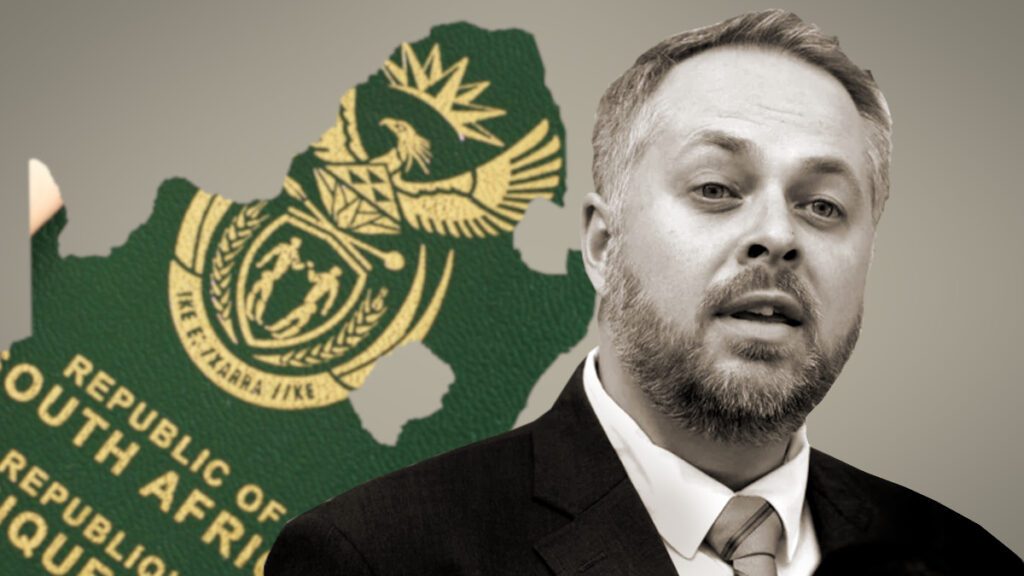
Feature Image Credits: BusinessTechZA