African Fintechs Jostle As Cross-Border Payments Serve Up ‘Biggest Opportunity’
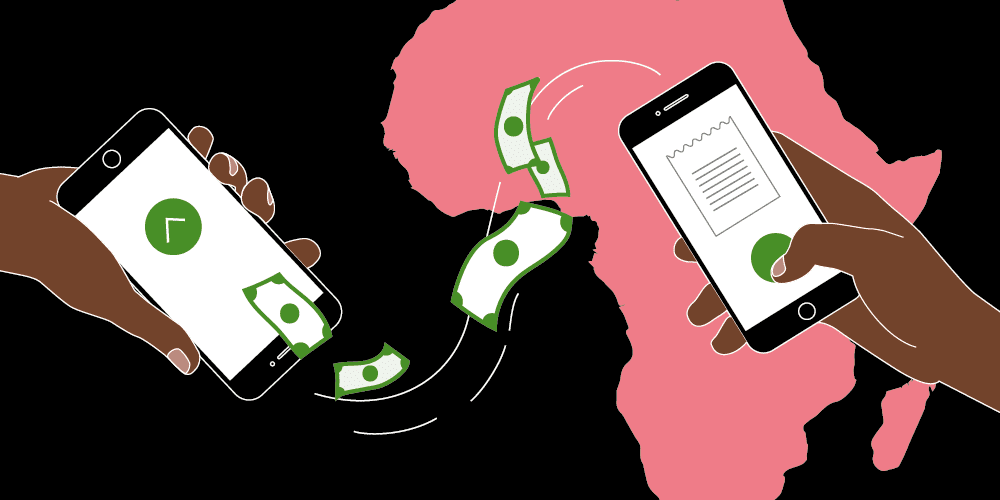
For most Africans, sending money across a border is often a hassle marked by high fees, slow transfers, and funds that disappear for days. But that pain is now driving one of the continent’s biggest business opportunities.
A new industry ranking reveals that sub-Saharan Africa is on the cusp of a cross-border payments boom as it’s becoming the continent’s biggest fintech opportunity. Five African companies: Flutterwave, M-PESA, MTN’s MoMo, Mukuru, and Onafriq, have made the 2026 Cross‑Border Payments 100 list by FXC Intelligence, standing alongside global giants like Visa and PayPal.
For a construction worker in Lagos whose brother in London sends USD 200.00 home every month, or a trader in Nairobi buying goods from South Africa, or a student in Ghana paying tuition in Canada, each transaction bleeds value. International transfers can cost 8% or more, and funds can take days to arrive, or never arrive at all.
African fintechs are fixing this by building direct connections between local mobile money wallets, banks, and global systems. Instead of a payment bouncing through three or four intermediary banks in New York or London – each taking a cut – these companies create shortcuts.
M-PESA, Kenya’s mobile money giant, moves more than USD 1 B daily across Africa. MTN’s MoMo processed over USD 500 bB in transactions last year alone. Onafriq links one billion mobile wallets across the continent.
A new shortcut
More quietly, a new tool, stablecoins, is changing everything. These are digital dollars that live on a phone. As it requires no bank account and no middlemen, a Nigerian freelancer paid by a US company can receive stablecoins instantly and convert them to local cash within minutes.
Sub-Saharan Africa recorded roughly USD 205 B in stablecoin-linked on-chain value from July 2024 to June 2025, a 52% year-over-year surge. In Nigeria, 95% of survey respondents said they would prefer to receive payments in stablecoins rather than in naira.
Big companies are notices. Deel, the global payroll giant, launched stablecoin salary payouts in May after processing USD 250 M in crypto payouts last year. Earlier this year, Onafriq integrated Conduit’s stablecoin infrastructure, using USDC for treasury settlement to bypass the USD 5 B annual friction of correspondent banking.
Africa’s diaspora sends home more than USD 100 B every year, more than all foreign aid combined. Yet much of that money still travels through slow, expensive channels.
The continent’s cross‑border payment market could more than triple to USD 1 T by 2035, according to projections. That is why global players like Binance, Tether and Visa are also on the FXC list, scrambling for a slice.
For ordinary Africans, the competition cannot come soon enough. Cheaper, faster money transfers mean more cash in pockets, more business done, and fewer sleepless nights waiting for a transfer to clear.
Feature Image Credits: Openway Group