Nigeria Plans Salvage Job For Its eNaira Digital Currency Flop
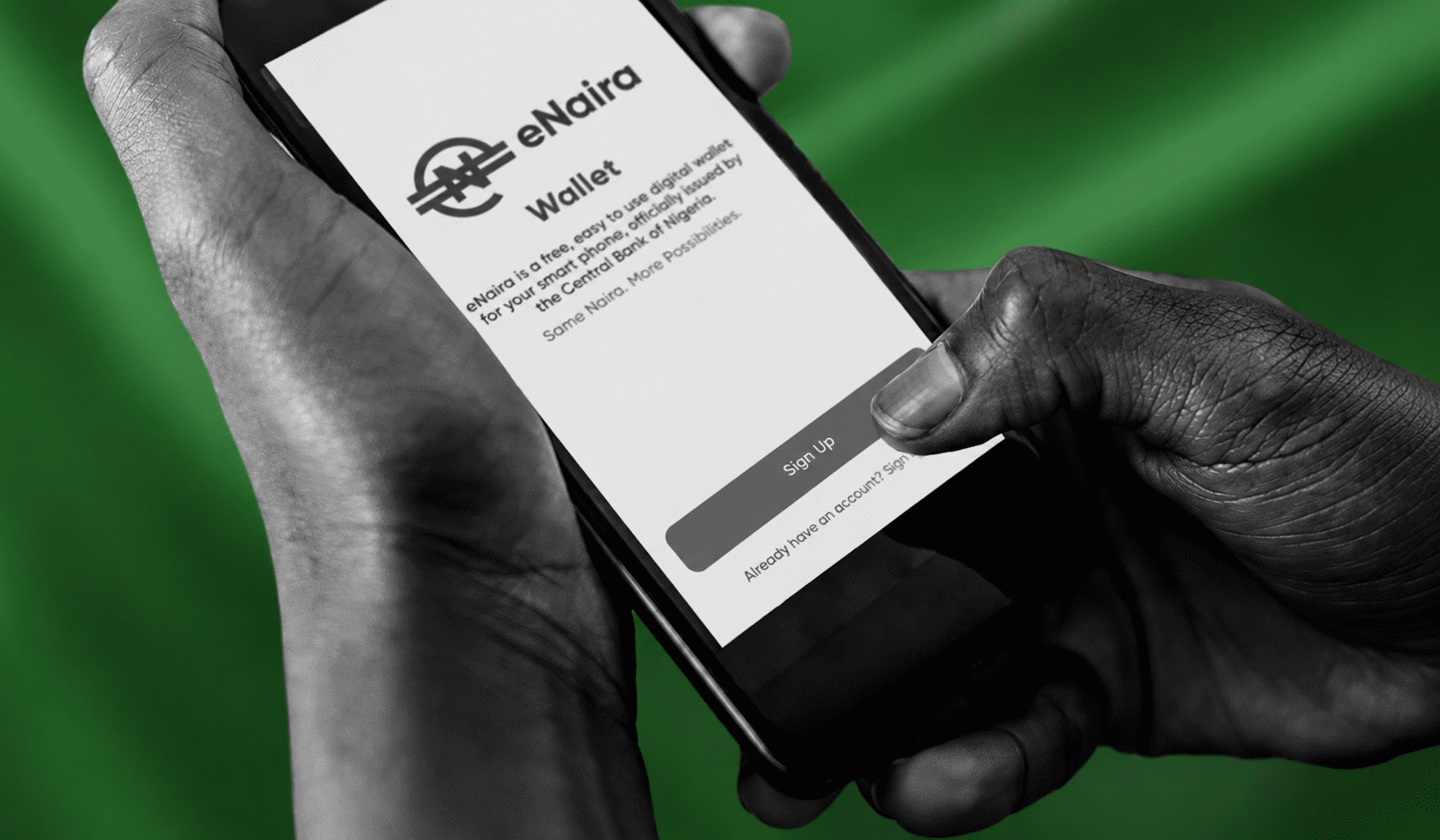
Nearly five years after its high-profile launch as Africa’s first central bank digital currency, Nigeria’s eNaira is being quietly repurposed. The Central Bank of Nigeria (CBN) has acknowledged in a new strategy document that adoption of the Central Bank Digital Currency (CBDC) has been slow, and is now repositioning it away from a consumer-facing payment tool toward a backend infrastructure for government disbursements and cross-border settlements.
The eNaira, launched in October 2021 to much fanfare, has struggled to gain traction. According to the CBN’s Payments System Vision (PSV) 2028 strategy, unveiled on June 1, the CBDC currently has “millions of wallets” but has processed only about NGN 22 B (USD 16 M) in transactions. This is a fraction of the nearly 1 quadrillion naira in total electronic payments processed in 2024, and well below the 300 million transactions the bank had envisioned for the digital currency by 2026.
In the PSV 2028 document, the CBN acknowledged that barriers to the eNaira’s success included “limited stakeholder engagement and buy-in” during its design and implementation. The bank conceded that adoption had been slow, with the CBDC offering little that existing bank apps, fintech wallets and mobile money platforms were not already providing more conveniently.
Rather than competing directly with these established platforms, the CBN now wants the eNaira to become part of the infrastructure that underpins Nigeria’s digital payments ecosystem. The strategy, which runs through 2028, places the CBDC alongside initiatives such as open banking, digital identity and cross-border payments frameworks.
The rethink comes amid a broader strategic shift at the CBN under Governor Olayemi Cardoso, who has prioritised stabilisation, trade facilitation and investor confidence.
The PSV 2028 framework, unveiled at a gathering of banking executives and fintech operators in Abuja on June 1, aims to position Nigeria among Africa’s leading payment ecosystems by promoting faster, safer digital transactions and strengthening cross-border payment systems under the African Continental Free Trade Area (AfCFTA).
The path forward for the e-naira will focus on government-to-person (G2P) payments, such as welfare disbursements and subsidies, as well as cross-border settlements. “Routing every government payment through the eNaira is where the plan argues with itself,” noted one analysis of the strategy, pointing to the tension between the CBDC’s past failures and its future ambitions.
The repositioning reflects a quiet admission that Africa’s first CBDC experiment, once hailed as a landmark step toward a cashless economy, has fallen short of its original promise. Now, the CBN is betting that a more utilitarian role can salvage the project.