Egyptians Are Using AI For Shopping But Won’t Let It Touch Their Money
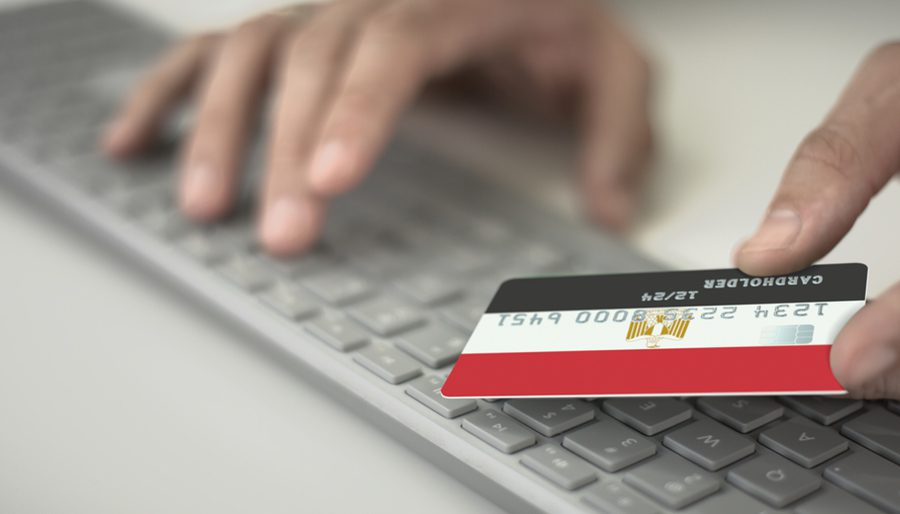
Nearly all Egyptian consumers use artificial intelligence to help them shop, but only a fraction trust AI to complete a purchase on their behalf; a paradox that reveals a broader challenge facing the global payments industry as it rushes to build infrastructure for autonomous commerce.
A Visa study released Tuesday found that 91% of consumers in Egypt have used AI tools to assist with shopping, comparing prices, checking reviews and finding gift ideas. Fully 97% say the technology makes online shopping faster and easier. Yet when asked whether they would trust an AI agent to handle checkout, that figure collapsed to just 38%.
The findings, from the annual Stay Secure survey conducted by Wakefield Research, lay bare the gap between consumer appetite for AI-assisted discovery and their reluctance to cede control of the payment itself. The study surveyed 5,800 adults across 17 markets in Central Europe, the Middle East and Africa, including Egypt, Kenya, Nigeria and South Africa.
The trust gap is not unique to Egypt. In South Africa, only 23% of consumers would trust an AI agent to complete a purchase, according to the same study. In Kenya, that figure stood at 29%. Across the region, consumers are embracing AI for research, but they draw a firm line when money changes hands.
“Consumers see fraud protection as a shared responsibility, but they expect financial institutions, governments, and payment providers to take the lead,” said Leila Serhan, Visa’s senior vice president for North Africa, the Levant and Pakistan.
The study also revealed a rapidly shifting e-commerce landscape. Eighty‑five percent of Egyptian consumers have purchased products directly through social media platforms. But as commerce migrates to new channels, fraud follows. Among consumers who reported experiencing a financial scam in the past 12 months, some 36% of respondents, nearly half said the incident occurred on social media, more than on any other platform.
In 2025 alone, Egyptian authorities said they thwarted financial fraud operations worth an estimated EGP 4 B (approximately USD 77 M), according to statements from the Central Bank of Egypt. Across the continent, an Interpol‑coordinated operation in early 2026 involving 16 African countries resulted in 651 arrests and exposed scams tied to over USD 45 M in losses.
The findings arrive as Visa, Mastercard, and other payments giants race to prepare financial institutions for agentic commerce – autonomous transactions executed by AI agents with minimal human involvement. Visa has already begun enrolling banks in its Agentic Ready programme, which enables institutions to process such payments.
But as the Egypt data makes clear, the infrastructure is arriving ahead of consumer trust. Asked who should bear primary responsibility for fraud protection while shopping online, nearly half of Egyptian consumers pointed to government authorities. Only 13% believed consumers themselves should be primarily responsible.
The path forward remains uncertain for payments companies. Consumers have demonstrated they will use AI to discover products and compare prices. Whether they will ever trust it to spend their money remains an open question.
Feature Image Credits: Consultancy-ME