Nigeria’s On-Demand Delivery Graveyard Claims Latest Victim Of A Model That Can’t Survive
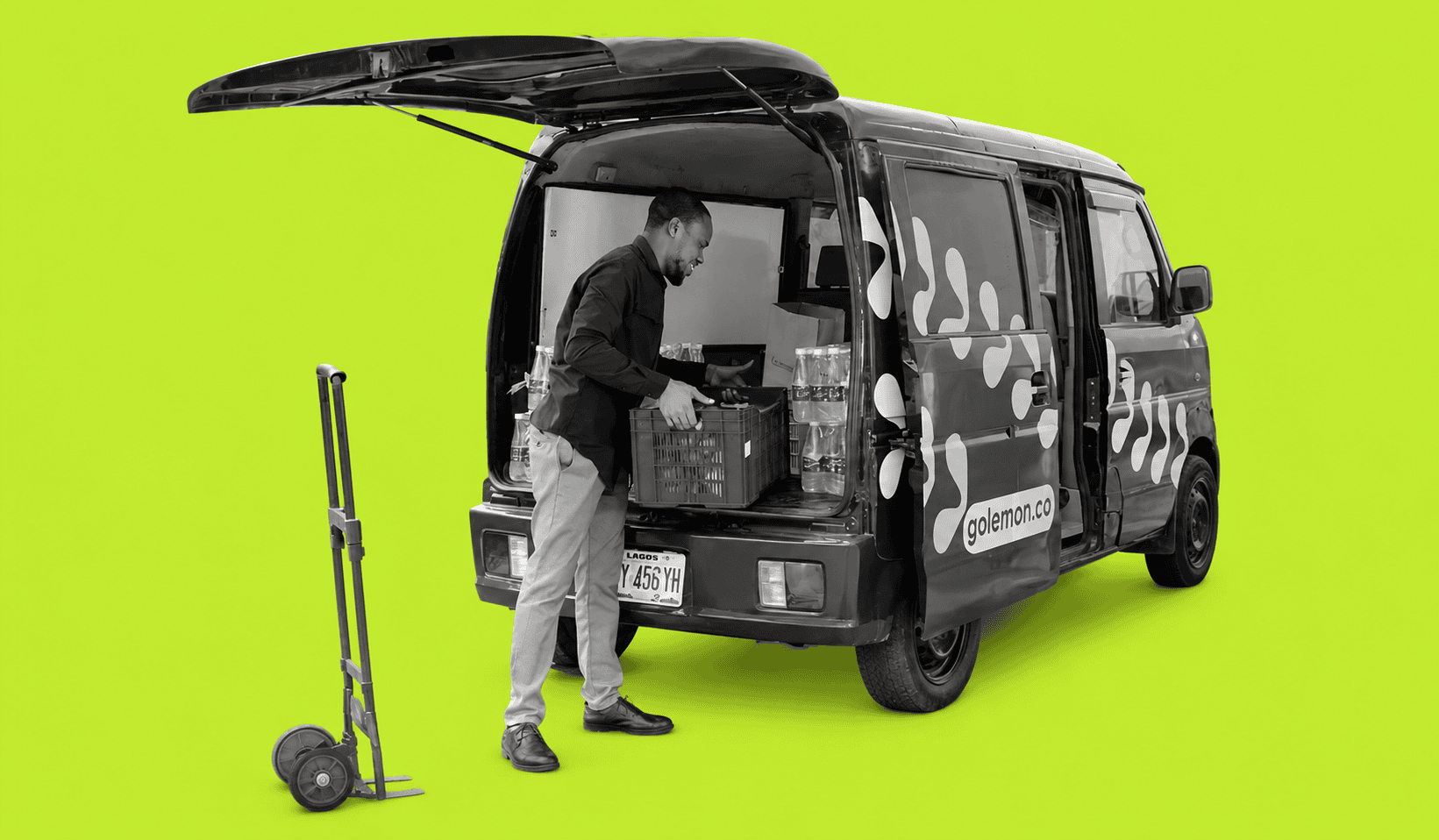
On July 29, GoLemon stopped accepting orders. The Lagos-based grocery delivery startup, founded by former Paystack employees, will shut down its customer support on August 2, and dozens of employees will lose their jobs. The company had moved over NGN 2 B (`USD 1.4 M) worth of groceries across Lagos in 28 months and had 40,000 registered customers. None of that was enough.
“Despite our efforts to raise additional funding, we couldn’t find a sustainable path forward within the time available to us,” GoLemon said in its shutdown statement. The company claims individual orders were profitable; the average basket size was around NGN 43.7 K. But it never hit the volume needed to cover warehouses, engineering, logistics and supply chain overhead. When the next funding round didn’t arrive, the runway ended.
GoLemon is not an isolated case. It’s the latest tombstone in a graveyard that keeps growing.
Jumia Food shut down in Nigeria and six other African countries in December 2023. Jumia said market conditions made the business “unsustainable”. Bolt Food exited Nigeria the same month. “We have made the difficult decision to discontinue our food delivery operations in Nigeria due to business reasons,” Bolt said.
FoodCourt, a Y Combinator-backed cloud kitchen startup, paused operations in March 2026 after staff strikes over unpaid wages and mounting debt. Eden Life, which offered food delivery among other home services, paused its consumer business in February 2026 to refocus on corporate clients. That’s five major players gone or paused in under three years.
Nigeria’s online food delivery market hit USD 1.14 B in 2025 and is projected to reach USD 2.73 B by 2034. The demand is real. But demand doesn’t always translate to enough paying customers to sustain a business. One analysis pointed out that at its NGN 43.7 K average basket size and over NGN 2 B in orders, for instance, GoLemon processed around 57,000 orders over two years, or about 80 daily on average, which is considerably way off where it needs to be to have a shot at profitability.
GoLemon and FoodCourt shared the same “control everything” operating philosophy. FoodCourt owned central kitchens, cooked meals under multiple virtual restaurant brands and managed fulfilment. GoLemon sourced directly from farmers, operated warehouses, built its own tech platform and handled deliveries. This “full-stack” approach promised better quality and lower prices. What it actually delivered was enormous fixed costs.
“The full-stack cost trap” is how some analysts describe it. Several of the largest African startup failures shared this operating architecture. It proved lethal in the inflationary, currency-volatile conditions of 2023–2026.
In Nigeria, inflation has been running at multi-decade highs, diesel prices remain elevated, and consumer spending is under pressure. A business model that requires warehouses, kitchens, inventory and large operational teams becomes extremely difficult to sustain when every input cost continues to rise.
The survivors are doing the opposite
The contrast with Nigeria’s surviving delivery companies is visible. Chowdeck and Glovo largely operate as technology marketplaces that connect customers with existing restaurants, supermarkets and riders. They don’t own the kitchens or the inventory. Their asset-light structures allow them to scale without carrying the heavy burden of physical infrastructure.
Chowdeck, backed by Y Combinator, hit one million monthly orders in October 2025. It raised a USD 9 M Series A in August 2025. By late 2025, it had crossed into profitability.
GoLemon likely saw this coming. In December 2025, it partnered with Chowdeck, letting customers order GoLemon groceries through the Chowdeck app while GoLemon handled sourcing and fulfilment. The arrangement expanded its reach and reduced delivery complexity.
But it wasn’t enough. The fixed costs were already too high, and the funding didn’t arrive in time, as investors likely baulked at the grim unit economics and niche play without enough of a defensible moat.
This isn’t just a Nigeria problem
The struggles in Nigeria mirror what’s happening globally. Deliveroo slipped back to a GBP 19.2 M (USD 25.6 M) loss in the first half of 2025. Just Eat Takeaway missed earnings expectations in the first half of 2025, pressured by falling order volumes. The company cut about 450 jobs as it integrated automation. And on-demand platforms like Uber, Deliveroo and Foodora have operated for over a decade and still haven’t achieved consistent profitability.
The food delivery business is brutally difficult everywhere. Thin margins, high logistics costs and price-sensitive customers make profitability elusive. The difference is that in Nigeria, the operating environment is even harder, featuring poor road networks, erratic power supply, currency volatility and a venture capital market that has become far more selective.
During the 2021–2022 venture capital boom, investors funded rapid expansion in expectation of future profits. That era is over and funders are increasingly choosing sustainable unit economics over user numbers. Consumer startups that require heavy physical infrastructure have found the transition particularly painful.
The back-to-back failures of GoLemon and FoodCourt are likely to reinforce a shift already underway as investors favour backing asset-light platforms over businesses trying to own the entire value chain.