Controversial Libertarian ‘Startup City’ Project Sued By Former Exec Amid Tense Africa Push

By Henry Nzekwe  |  January 26, 2026

A controversial project to build private, self-governing cities is facing a defamation lawsuit from its former Africa lead, exposing deep internal fractures as it attempts to expand from Central America to the African continent. The legal battle comes amidst a swirl of online controversy and fierce debates about the model’s ethics and viability.

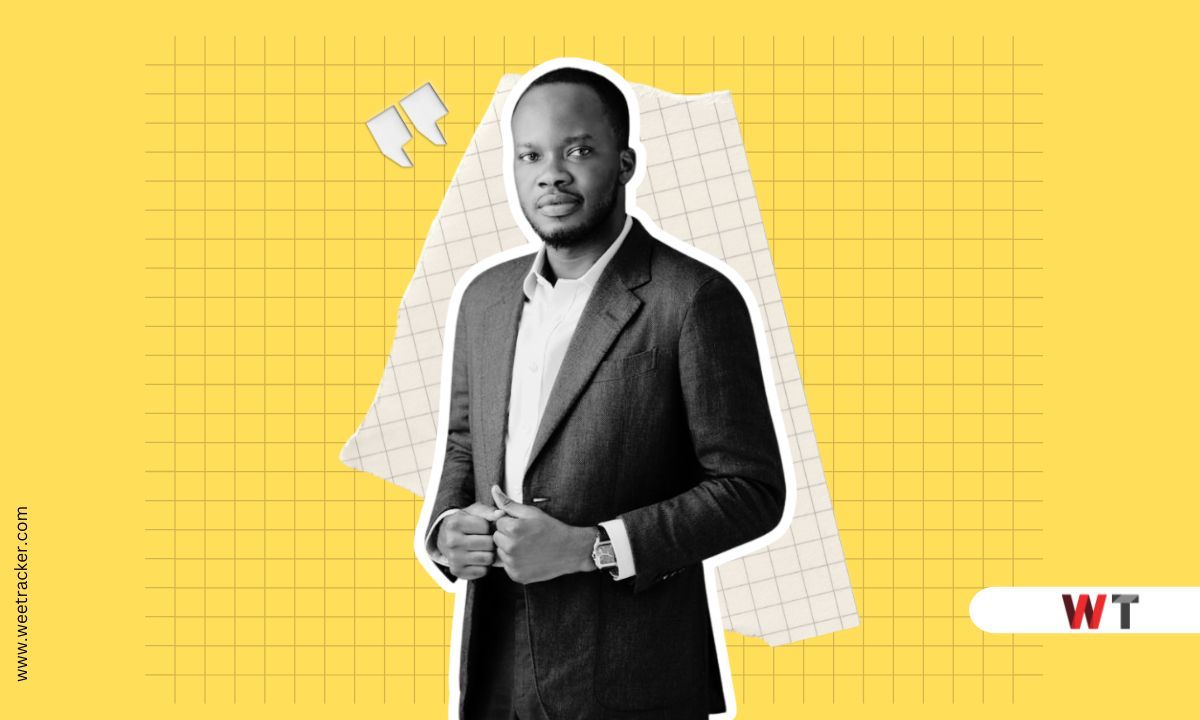
Magatte Wade, the Senegalese entrepreneur who was leading Próspera Africa’s efforts to establish its first autonomous “startup city” on the continent, has filed a lawsuit accusing the organisation and its principals of a malicious smear campaign. The suit, filed in a U.S. federal court in Wyoming, alleges that after her resignation, executives falsely told her business contacts she had committed crimes and attempted to embezzle over a million dollars.

This internal rupture strikes at the heart of Próspera’s ambitious and contentious plan to replicate its Honduran model in Africa. The project, which creates special economic zones (ZEDEs) operating with their own legal and regulatory systems, has been promoted as a radical solution for economic growth but criticised as a form of neocolonial corporate sovereignty.

The Lawsuit

According to the complaint, Wade joined forces with Próspera in 2022, bringing crucial on-the-ground networks to advance the project’s African ambitions. She helped forge key relationships in Uganda and Benin. However, by 2025, the relationship soured. Wade alleges her vision was sidelined, leading to her resignation last September.

The lawsuit claims CEO Erick Brimen, along with other executives, then launched a concerted effort to destroy her reputation. They allegedly convened a board meeting during her best friend’s funeral and began telling her African contacts, including Ugandan stakeholders Robert Kirunda and Kwame Rugunda, that she had “crossed critical lines” and likely committed crimes. They pointed to a proposed “2025 IP Assignment”—a good-faith attempt, Wade says, to formally separate her intellectual property from the company—as evidence of misconduct.

In a Substack post titled “Why I Sued Próspera Africa for Defamation,” Wade stated, “My reputation is of paramount importance to me, and I will defend it at all costs.” She framed the lawsuit as a necessary defense of her life’s work after private resolution failed.

A Model Mired in Controversy

Wade’s lawsuit brings internal turmoil into the open for a project already facing intense external scrutiny. Próspera’s flagship zone, a private libertarian enclave on the Honduran island of Roatan, has become a lightning rod for controversy. Backed by Silicon Valley figures like Peter Thiel, it operates as a for-profit, self-governing, private jurisdiction with ultra-low taxes and a custom legal “platform.”

It has faced fierce local opposition. Honduran communities complained of inadequate consultation and feared land grabs. Critics, including the UN, argue such zones grant private investors excessive sovereignty, undermining human rights and state authority.

Following the election of President Xiomara Castro, Honduras repealed the ZEDE law in 2022. Próspera’s investors responded by filing an USD 11 B lawsuit against the state at the World Bank’s arbitration court—a sum equal to about two-thirds of Honduras’s annual budget. Critics have denounced the move as a neocolonial tactic to intimidate a sovereign government.

The project’s African expansion push has been accompanied by a separate social media firestorm. Recent online discourse, amplified by figures like internationally-acclaimed journalist David Hundeyin, who says he came close to joining the project, has swirled with allegations that Próspera’s billionaire backers aim to establish a “sovereign colony” in Benin for illegal human experimentation.

The original Próspera Roatan was set up to operate with the authority of a Honduran legal framework granting it significant autonomy over its own laws, police, and administration. While on-and-off debates on social media allege its primary purpose is illegal “drug testing and human experimentation,” on-the-ground reporting describes it as a hub for libertarian-minded entrepreneurs, crypto investors, biohackers, and longevity startups operating in a regulatory environment far more permissive than in the United States or Europe.

Although specific claims of illegal human experimentation are unverified, they appear to stem from the real and controversial activities within the original Próspera in Honduras. A district within it called Vitalia has become a hub for biohacking and experimental gene therapy trials.

Proponents champion this “medical libertarianism” as a way to accelerate innovation by slashing regulatory “red tape.” Critics warn it gambles with patient safety by allowing treatments to market before long-term risks are fully understood. This radical approach to regulation fuels the darker conjectures about the project’s ultimate goals.

The recent uproar among concerned observers in Africa tie the project to a “consortium of racist billionaire bros,” specifically naming Thiel and alluding to Elon Musk. While direct evidence of a Próspera Africa deal in Benin is absent from public records, the ideological links provide context. Thiel and Musk, both part of the so-called “PayPal Mafia,” share a libertarian worldview shaped in part by their childhoods in apartheid-era South Africa.

Musk, whose company X is the platform where these allegations spread, has been embroiled in racially charged disputes with South Africa over black empowerment laws he calls “racist” and has promoted the unfounded conspiracy theory of “white genocide” in the country.

Converging Crises

Before the lawsuit, Próspera, under Wade’s leadership, was actively marketing its model to a dozen African nations, with Benin and Rwanda reported as leading candidates at one point. The pitch was for a reformed version of the Honduran project. Wade had emphasised partnerships with “down-to-earth” entrepreneurs, a focus on job creation, and ensuring the host government retained a seat on the governing council.

“I want ordinary Africans to see themselves in these projects,” Wade said at a summit in mid-2025, pledging a commitment to human rights and a focus on commercial law reform rather than broad sovereignty.

However, the shadow of the controversy in Honduras looms large over the African expansion and the recent online agitations reflect major concerns.

Wade’s lawsuit now presents a more immediate and personal crisis for Próspera. Her allegations of ruthless tactics to control networks and sabotage reputations may fuel existing criticisms about the project’s governance and ethics. The complaint suggests that without her connections, Próspera Africa’s ambitions are severely weakened, providing a motive for the alleged smear campaign.

Wade, once the face of Próspera’s African vision, is now leading a very public charge against it, turning a business divorce into a messy legal clash that threatens to undermine the project’s credibility on the continent it seeks to enter.

Nigeria’s Unstoppable Digital Payments Boom Meets Immovable Object: Cash

By Staff Reporter  |  January 28, 2026

While Nigeria’s payment landscape touts a digital revolution, the country’s economy is telling a different story: a 300% surge in electronic transactions since 2020 has not dethroned cash, which remains the undisputed king for millions.

New data from Nigeria’s banking sector compiled by professional services firm, Proshare, reveals a paradox. Despite electronic payment volumes growing 276% over five years, a staggering 95% of the country’s NGN 5.73 T (over USD 4 B) in physical cash circulates entirely outside the banking system. This parallel growth of digital and cash economies points to deep-seated structural issues that no app can easily fix.

“The future of currency is not either digital or physical; it is both,” said Central Bank of Nigeria (CBN) Governor Olayemi Cardoso at a recent banking conference, acknowledging the need for a balanced system. “Cash remains king. It is critical that this is maintained”.

Analysis from Proshare points to a triad of trust, infrastructure, and economic reality. For many Nigerians, cash is not a choice but a rational necessity. Unreliable bank networks, sudden transaction failures, and the traumatic memory of the 2023 cash shortage crisis have eroded confidence in digital systems. Cash provides certainty when technology does not.

Furthermore, physical infrastructure is sparse. With roughly one bank branch for every 18,000 people, accessing digital services is a challenge. Frequent power outages affect electronic payments, while cash never needs a battery or an internet connection.

The bedrock of the issue is Nigeria’s vast informal economy, estimated to account for 60-65% of all activity. For small traders and artisans, digital payments create a taxable paper trail and incur transaction fees that eat into slim margins. Cash is immediate, final, and free.

This cash dominance creates a significant challenge for economic management. With most currency outside banks, the CBN’s primary tools for controlling inflation and stimulating growth, like adjusting interest rates, lose their potency.

In response, authorities are shifting strategy from trying to eliminate cash to managing its coexistence with digital finance. The CBN is reviewing policies to ensure better ATM availability and sees digital channels as a way to “decentralise and stabilise cash distribution,” the research finds.

The emerging consensus is that Nigeria’s financial future is “phygital”—a hybrid model blending physical and digital. Proshare’s report asserts that bank branches are being reimagined not as mere cash counters, but as trust centres where customers can resolve issues face-to-face, building the confidence needed for digital adoption.


Featured Image Credits: Adetona Omokanye/Bloomberg

SA’s Telcos, Banks At War With Govt Over 6,500% ID Verification Fee Hike

By Staff Reporter  |  January 27, 2026

South Africa’s telecommunications and banking industries are taking the government to court over a fee increase they call a “regressive tax,” while the state defends it as the essential cost of building a modern digital nation.

The Association of Communications and Technology (ACT), representing major networks including Vodacom and MTN, has filed for a High Court review to overturn a new regulation from the Department of Home Affairs. The rule increases the cost for private companies to verify a customer’s identity against the National Population Register (NPR) from 15 cents to ZAR 10.00 (USD 0.63) per real-time check—a jump of over 6,500%.

The system, called the Online Verification System (OVS), is a critical tool used by banks, mobile operators, and insurers to comply with anti-money laundering laws and prevent fraud when opening new accounts. The new fee structure, which also introduces a ZAR 1.00 option for off-peak batch checks, took effect on July 1, 2025.

Home Affairs Minister Leon Schreiber argues the 15-cent fee, unchanged for over a decade, was unsustainably low. He states it led to underinvestment, causing system failures over 50% of the time and widespread “system offline” errors at government offices. The new revenue is earmarked for a major upgrade to what the government calls an “Intelligent Population Register,” which it deems a “matter of national security” and the foundation for a future digital ID system.

Schreiber has accused companies opposing the hike of prioritising profits over public good, claiming some had “exploited the unreliability of the system” to create overpriced third-party verification services. The department has launched an upgraded verification platform with a reported failure rate of less than 1% and has offered a transitional arrangement to help companies adapt.

The ACT’s legal challenge argues the government failed to conduct meaningful consultation, that the increase is disproportionate, and will cause “irreparable harm” by raising costs for millions of South Africans already under financial pressure. The core of the industry’s objection is that the cost will be passed on to consumers or make serving low-income citizens unprofitable.

This view is starkly articulated by TymeBank CEO Coenraad Jonker. In an open letter, he labelled the hike a “crippling blow to financial inclusion” and a “regressive tax on the most vulnerable,” arguing it risks reversing efforts to get South Africa off the international financial crime watchdog’s greylist by making compliance unaffordable. In contrast, rival bank Capitec has stated it will absorb the costs for now and not pass them to customers.

Minister Schreiber defended the increase, arguing the old 15-cent fee forced taxpayers to subsidise profitable companies for a service that costs far more to provide and contributed to chronic system failures. He sharply criticised TymeBank’s CEO, stating it was “shocking” the bank paid so little for years and that its CEO admitted to not reading the official invitation for public comment before attempting to apply political pressure after the consultation period closed.

The legal battle may hinge on procedural grounds. The ACT claims a “significant departure” from constitutional principles of consultation. This argument finds precedent in a recent High Court ruling against the national energy regulator, which found that implementing major tariff hikes without transparent public participation was unconstitutional.

The court’s decision highlights a potential vulnerability in the government’s process, even as it pushes forward with a digital transformation agenda that includes the rollout of a national Smart ID and a functional digital identity system.

Feature Image Credits: BusinessTechZA

Egypt Pushing For Social Media Ban For Children Amid Global Crackdown

By Staff Reporter  |  January 27, 2026

Egypt’s parliament is preparing legislation to restrict children’s use of social media, a move that places the North African nation among a growing list of countries seeking to shield minors from what it calls “digital chaos” online.

The push comes directly from President Abdel-Fattah el-Sissi, who on Saturday urged lawmakers to adopt measures restricting access to social platforms “until they reach an age when they can handle it properly”.

Citing examples from Australia and the United Kingdom, the president’s call prompted an immediate response from parliament, which pledged on Sunday to draft a law to “protect Egyptian children from any risks that threaten its thoughts and behaviour”.

This initiative reflects growing alarm over digital exposure. A 2024 government-linked study found that about 50% of Egyptian children under 18 use social media, where they face risks including harmful content, cyberbullying, and abuse.

Egypt’s plans mirror a decisive, and controversial, international policy shift. In December 2025, Australia became the first country to implement a comprehensive ban, prohibiting children under 16 from holding accounts on major platforms like TikTok, Facebook, Instagram, and YouTube.

The policy, which has led to the deactivation of 4.7 million accounts according to government data, is enforced by imposing massive fines (up to USD 33.2 million) on platforms that fail to take “reasonable steps” to keep underage users out.

Other Western nations are rapidly following. The British government has launched a consultation on a similar under-16 ban. Meanwhile, French President Emmanuel Macron is fast-tracking a law to ban social media for those under 15 by September 2026, arguing that “the minds and feelings of our children and adolescents are not for sale” to algorithms. Denmark and Norway are also considering comparable legislation.

A central challenge for any such law is practical enforcement. Australia’s model places the legal onus on companies, banning them from relying on simple self-declaration of age. Instead, platforms must use “reasonable steps” like government ID verification, facial or voice recognition analysis, or “age inference” technology that estimates age based on online behaviour.

These methods have sparked significant debate. Privacy advocates warn of the risks of collecting and storing sensitive biometric data, especially after high-profile breaches in Australia. Technology experts also question effectiveness. A government report found facial assessment technology is “least reliable for teenagers, and critics point out that determined teens can use virtual private networks (VPNs) to bypass geographic blocks or create accounts with fake details.

The proposed bans have ignited global controversy, splitting experts, tech companies, and the public. Major medical authorities, like the American Academy of Child and Adolescent Psychiatry, acknowledge clear evidence that social media can negatively impact youth mental health, disrupting sleep and exposing them to cyberbullying and harmful content. This forms the core justification for the laws.

However, many child safety advocates and academics argue that blunt prohibition is the wrong tool. A coalition of 42 UK organisations, including the NSPCC, warned a ban “would create a false sense of safety,” potentially driving children to less-regulated corners of the internet.

Professor Amy Orben of the University of Cambridge recently told the BBC that there is “not strong evidence” that age-based bans are effective. Tech giants like Meta and YouTube have fiercely opposed the Australian rules, calling them difficult to implement and warning they could deprive young people of positive social connections and push them toward platforms with weaker safety features.

Even within Egypt, the approach is not unanimous. Yasser Arfa, an Egyptian MP, has stated he will propose alternative legislation focused on “regulation, not an absolute ban,” emphasising parental guidance and digital literacy over outright prohibition.

Feature Image Credits: Image: Wolfgang Maria Weber/picture alliance

PayPal Ends Decades-Long Nigeria Ban Blocking Local Withdrawals In Belated Push

By Henry Nzekwe  |  January 27, 2026

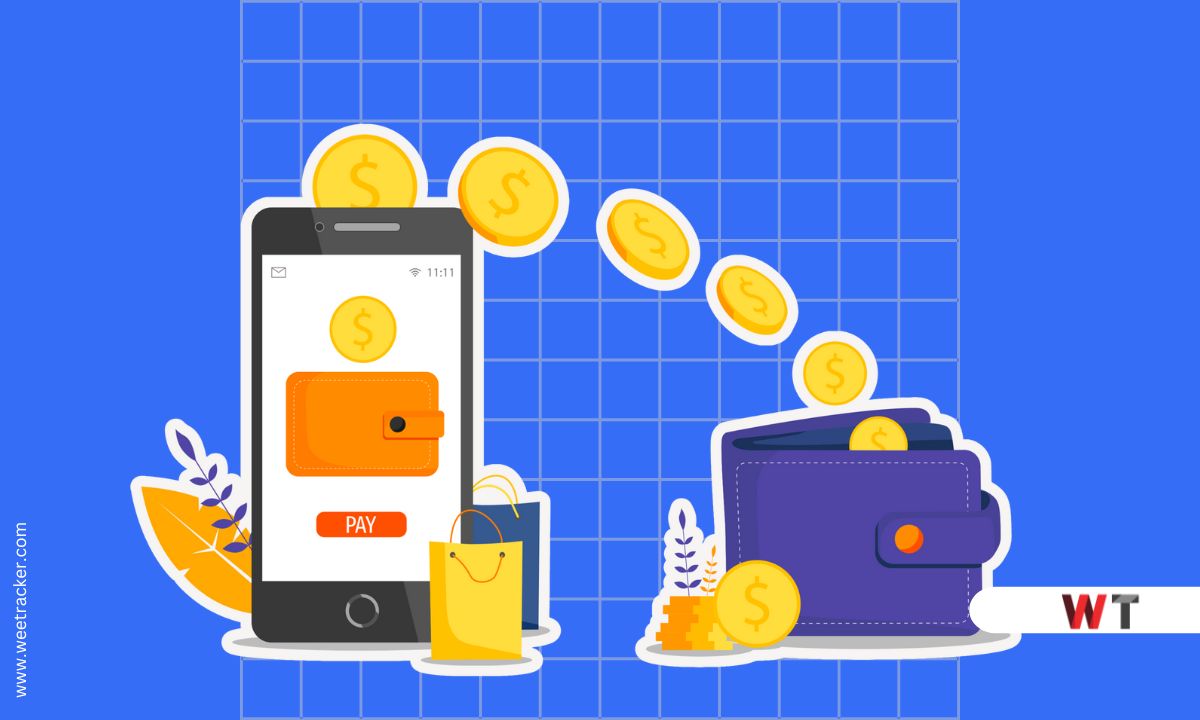
Global payments giant PayPal has launched a long-delayed service enabling Nigerians to receive and withdraw international payments, ending nearly two decades of exclusion by partnering with local fintech pioneer Paga.

The integration allows users to link their PayPal accounts to a Paga wallet, receive funds from over 200 countries, and instantly convert them to Naira for local spending or withdrawal, it said in a press release. This move grants Nigeria’s freelancers, online merchants, and families formal access to a global network of over 400 million users they were previously locked out of.

The partnership signals a strategic reversal for PayPal, which has cited fraud concerns since restricting Nigerians from receiving money in 2004. The decision had forced a generation of digital workers to rely on informal workarounds, endure frozen funds, or miss opportunities entirely. Paga’s founder, Tayo Oviosu, first pitched the collaboration idea to PayPal in 2013, a proposal that has now taken 13 years to materialise.

During PayPal’s absence, a vibrant local fintech ecosystem emerged to solve the problems it left behind. Companies like Paga, Flutterwave, and Paystack built robust infrastructure for local and cross-border payments, capturing a digital payments market that, per the press release, reached NGN 657.8 T (~USD 466 B) in 2023.

“For years, when PayPal was the standard, they shut us out,” said Kenneth Nwakanma, a tech entrepreneur who claims he lost USD 15 K when his account was abruptly closed in 2020. “Now they want to come back into a market we have built for ourselves.”

This history of exclusion fuels deep scepticism. Social media reactions to PayPal’s recent African expansion plans have been fiercely critical, with calls for a boycott from users citing years of frozen assets and frustration.

***

Analysts view the move as a critical part of PayPal’s broader international strategy to reignite growth. Facing intense competition from rivals like Stripe in its core U.S. market, PayPal’s share price has fallen about 75% from its 2021 peak. The company is now doubling down on emerging markets, where e-commerce is growing rapidly.

“PayPal’s international expansion is key,” Zennon Kapron, a fintech analyst, opines. “The company is looking to counter increased competition in mature markets and capitalise on the rapid growth of e-commerce in emerging economies.”

The Nigerian partnership is a cornerstone of this push. It aligns with “PayPal World,” a new global platform set for an African launch in 2026 that will connect local digital wallets to international commerce. The company has committed USD 100 M to invest in the Middle East and Africa region.

Crucially, PayPal is not launching a direct competitor to Paga but is using it as a local bridge. This partnership model—leveraging established local infrastructure instead of building its own—is central to its new African strategy.

“We’ve been intentional about partnering with local innovators like Paga,” said Otto Williams, PayPal’s Senior Vice President for Middle East and Africa. “This collaboration helps strengthen the broader payments ecosystem by supporting local innovation.”

***

For Paga, which processed NGN 17 T (USD 11.98 B) across 169 million transactions in 2025, the deal validates years of building local trust and infrastructure. “Until now, Nigerians could not receive money via PayPal. Our partnership unlocks that,” Oviosu says.

“This moment isn’t about a single announcement. It’s about patience. It’s about building robust, trusted local infrastructure. It’s about believing that global platforms scale better when they work with local systems, not around them. Partnerships like this don’t happen overnight. They are the result of years of conversations, trust-building, regulatory work, and showing up consistently,” he added.

The partnership unlocks significant new functionality, including allowing Nigerians to receive money directly from users of Venmo, PayPal’s popular U.S. peer-to-peer app.

The long-term test will be whether the utility of seamless global access can overcome the enduring resentment from two decades of exclusion. PayPal is entering a sophisticated market where trust was earned not by the global giant, but by the local players who filled the void it created.

Ousted Paystack Co-Founder Ezra Olubi Sues For Defamation, Demands USD 100 K

By Henry Nzekwe  |  January 26, 2026

When Ezra Olubi, the former chief technology officer and co-founder of Nigerian fintech giant Paystack, was booted from the company last year, he expressed that the decision had flouted due process and mentioned his legal team would take appropriate steps.

Some type of legal action was thus anticipated, and legal action has now occurred, all right, just not one many might have expected.

In something of a surprising move, Olubi has initiated legal action against prominent investigative journalist David Hundeyin, alleging a series of social media posts amounted to defamation and caused severe reputational harm.

In a formal pre-action letter shared by Hundeyin on his X account on Monday, Olubi’s legal representatives demand the removal of the posts, a published apology, and NGN 140 M (approximately USD 100 K) in compensation. This move marks Olubi’s first significant action to become public following his controversial termination from Paystack in November 2025.

The legal notice centres on two posts published by Hundeyin on the social media platform X (formerly Twitter) on December 6, 2025. In the posts, Hundeyin drew comparisons between Olubi and the American music mogul Sean “Diddy” Combs, who has faced multiple lawsuits alleging sexual assault and sex trafficking, and is currently serving time.

Hundeyin’s posts, which were viewed millions of times according to the letter, alleged Olubi shared with Combs a “broken childhood,” a “God complex,” an “absence of consequences,” and “the same sexual perversion.” One post concluded by stating Hundeyin was “willing to bet a good sum of money that Ezra is a drug addict as well.”

Olubi’s lawyers argue these statements were meant to portray their client as “dangerous,” “egotistical,” “sexually perverse,” and a “drug addict,” claims they state are “untrue and unsubstantiated.”

The lawsuit emerges from the fallout of Olubi’s abrupt departure from Paystack, the company he helped build and which was acquired by U.S. payments leader Stripe in 2020 for over USD 200 M.

Back in November, Paystack suspended and then fired Olubi following the viral resurfacing of sexually explicit and disturbing decade-old posts from his X account, coupled with new allegations of misconduct from a former partner. The company stated his termination was due to “significant negative reputational damage” caused by the old tweets.

However, Olubi publicly contested the process. In a blog post at the time, he stated Paystack’s board fired him before an independent investigation into separate workplace misconduct claims was complete and without granting him a hearing. He called this a “clear contravention” of company policy and indicated his lawyers were reviewing the termination.

The pre-action letter gives Hundeyin seven days to comply with four key demands: Permanently delete the identified posts from X; provide a written pledge to never again publish defamatory statements about Olubi; publish a full retraction and apology with equal prominence to the original posts; pay NGN 140 M in damages for reputational harm and distress.

Failure to meet these demands, the letter states, will leave Olubi “with no alternative” but to institute a defamation lawsuit against Hundeyin in the Lagos State High Court.

As of publication, Hundeyin’s response to the legal notice is an email with quite a few expletives, telling off the aggrieved party, his legal representatives, and, apparently, anyone with whom they may have crossed paths, even for a fleeting, random moment in the massive entropy of living.

AI Is Eating Nigeria Faster Than Expected Amid Comforts And Concerns

By Staff Reporter  |  January 23, 2026

Nigeria is embracing artificial intelligence at a staggering pace, with adoption rates that eclipse global averages and a profound shift toward using the technology for economic survival and advancement. However, this rapid integration is unfolding alongside a significant deficit in public understanding, raising questions about the long-term implications of adopting a powerful tool that few claim to deeply comprehend.

A new survey by Google and Ipsos reveals that 88% of Nigerian adults have now used an AI chatbot, an 18-point surge from 2024. The driver is no longer novelty, but necessity. A remarkable 93% of users employ AI to learn new skills, while 91% use it for work tasks. Most strikingly, 80% have used it to explore a new business or career path, nearly double the global rate.

The Nigerian approach is intensely pragmatic, the study demonstrates, as AI is being leveraged as a tool for immediate upskilling, income generation, and navigating a challenging economic landscape.

This pragmatic adoption exists within a notable paradox. Extremely high trust coupled with relatively low knowledge raises concerns. While adoption soars, only 27% of Nigerians say they know “a lot” about AI. Despite this, an overwhelming 94% express confidence in tech companies to oversee AI in the public’s best interest, and 69% trust the government to do the same, figures well above global averages.

This trust extends to policy, with 71% of Nigerians prioritising innovation in fields like medicine over regulation to protect existing industries. Yet, a significant minority, 35%, believes government-imposed limitations are preventing the economy from fully benefiting from AI.

The sector experiencing AI’s most pronounced impact is education. Students and teachers are “super users,” and 91% of the public believes AI is having a positive impact on learning.

Expectations are sky-high, with 95% predicting benefits for university students and educators. This creates a self-reinforcing cycle where skills acquired through AI in educational settings are directly applied to professional and entrepreneurial pursuits.

The survey paints a portrait of a nation making a conscious, collective bet on AI as a catalyst for development. The critical, unanswered question is whether this comfort-first, knowledge-later approach will fuel sustainable growth or create vulnerabilities in a future increasingly defined by technological literacy.

Six Nigerian Fintechs, Banks Implicated In Massive Fraud That Burned Many

By Staff Reporter  |  January 22, 2026

Nigeria’s Economic and Financial Crimes Commission (EFCC) has implicated a major commercial bank, six fintech companies, and several microfinance banks in large-scale fraud, accusing them of allowing criminals to move NGN 162 B (~USD 114 M) in suspicious cryptocurrency transactions with no oversight.

The anti-graft agency said the institutions failed basic financial security checks, enabling fraudsters to launder money through the system during the 2024/2025 financial year. In one extreme case, a single individual operated 960 bank accounts at one institution, all allegedly used for fraud.

The EFCC linked the banking lapses to two major scams that defrauded hundreds of thousands of Nigerians. The first was an airline ticket discount scheme. A syndicate, allegedly led by a foreign national, advertised heavily discounted flights. Victims were tricked into making payments that appeared to go directly to an airline, but the payment module was designed to drain their entire bank accounts. Over 700 people lost an estimated NGN 651 M to this scam.

The second was a fraudulent investment platform called Fred and Farid Investment Limited (FF Investment). The scheme promised high returns and used a network of at least nine shell companies to collect funds from more than 200,000 investors, generating approximately NGN 18 B. Foreign nationals are believed to be the masterminds, with three Nigerian accomplices already arrested and charged.

At the heart of the scandal is a catastrophic failure by the financial institutions to follow “Know Your Customer” (KYC) and anti-money laundering rules, the agency says. These are basic regulations that require banks to verify who their customers are and monitor transactions for suspicious activity.

EFCC Director of Public Affairs, Wilson Uwujaren, stated that NGN 18.1 B was moved through the traditional banking system “without due diligence,” but stressed that the NGN 162 B in unchecked cryptocurrency flows through one bank was “particularly worrisome”. He accused the institutions of having “serious weaknesses in internal controls” that allowed criminals to easily convert fraud proceeds into digital assets and move them overseas.

The EFCC has issued a stark warning to financial regulators, urging them to suspend any bank, fintech, or microfinance bank found aiding fraudsters and transfer them for investigation. Uwujaren called for strict enforcement of KYC, Customer Due Diligence (CDD), and rules on filing Suspicious Transaction Reports (STRs), warning that continued negligence “expose[s] the economy to systemic risks.”

So far, the EFCC’s intervention in the bank-facilitated fraud has led to the recovery of NGN 33.62 M, which has been returned to some victims. The crackdown signals a tougher regulatory stance as authorities grapple with the challenge of securing Nigeria’s rapidly digitalising financial system against sophisticated crime.

Feature Image Credits: AB Magazine

Kenya’s Banking Overhaul Sparks Acquisition Spree As Top African Lenders Poach

By Henry Nzekwe  |  January 22, 2026

The latest among a flurry of identical moves by pan-African financial heavyweights to secure a strategic foothold in Kenya, East Africa’s largest economy, through acquisition, has emerged in South Africa’s Nedbank’s formal bid to acquire a controlling stake in Kenya’s NCBA Group.

Nedbank proposes to buy approximately 66% of NCBA’s shares from existing shareholders in a deal that values the Kenyan lender at 1.4 times its book value. Shareholders accepting the offer would receive 20% of their payment in cash and 80% in Nedbank stock listed in Johannesburg, NCBA said in a press release.

This bid is part of a trend reshaping African finance, as banks from the continent’s major economies look north, south, and east for growth. Kenya has become a primary target, serving as a strategic and stable gateway to the broader East African Community trade bloc.

For international banks, acquiring an established player like NCBA, Kenya’s fourth largest bank, provides immediate scale. NCBA serves over 60 million customers across five African nations, holds assets worth KES 665 B (~USD 5 B), and is a leader in digital lending, disbursing over KES 1 T (~USD 7.7 B) annually. This allows an acquirer to bypass the slow, costly process of building a network from scratch.

The push into Kenya was arguably kickstarted by Egypt’s Commercial International Bank, which finalised its acquisition of Mayfair CIB Bank in 2023 to establish a regional investment banking hub. Nigerian lenders have quickly followed in force. Access Bank solidified its East African presence by acquiring 100% of the National Bank of Kenya (NBK) in 2025, a move that built on its earlier purchase of Transnational Bank.

Fellow Nigerian giant Zenith Bank positioned itself to enter the market by making a move for Paramount Bank last year. Meanwhile, African fintechs have been similarly busy in Kenya, including Moniepoint Inc., which acquired a 78% stake in Sumac Microfinance Bank in 2025, and Umba, which took over Daraja Microfinance Bank years prior.

Two key forces are driving this acquisition spree. First, large African corporates are expanding cross-border, and their banks are following them to maintain relationships. Second, domestic regulatory pressures are pushing for consolidation.

In Kenya specifically, the Central Bank has directed lenders to increase their minimum capital significantly. This forces smaller, undercapitalised banks to seek mergers or be bought out to survive, creating opportunities for deeper-pocketed regional players.

For Nedbank, which currently only has a representative office in East Africa, NCBA offers a complete, ready-made platform. NCBA’s strong brand, digital capabilities, and asset finance leadership dovetail with Nedbank’s strengths in corporate banking.

“Kenya’s role as a regional financial hub… makes it a natural anchor for Nedbank’s East African ambitions,” said Nedbank CEO Jason Quinn. The combined entity aims to use Kenya as a base to pursue opportunities in markets like Ethiopia and the Democratic Republic of Congo.

The proposed transaction is pending regulatory approvals from central banks in the relevant countries and is expected to be completed within six to nine months. If successful, it will further cement Nairobi’s status as a battleground for continental banking dominance.

South Africa Has A New ‘Wild West’ That It Wants To Rein In: Podcasts

By Staff Reporter  |  January 21, 2026

South Africa’s communications regulator is looking to extend its reach beyond radio and television for the first time, with podcast content and digital audio services squarely in its sights.

The Department of Communications and Digital Technologies is finalising a new policy that could end what officials call the “wild west” era for digital audio in the country, bringing platforms and creators under a regulatory framework similar to traditional broadcasters.

The government argues the move is less about a crackdown on specific content and more about modernising laws written before the digital age. The main laws governing media—the Broadcasting Act and the Electronic Communications Act—date from 1999 and 2005, respectively, a time when podcasts and streaming barely existed.

“The Broadcasting Act… is as old as 1999, and the Electronic Communications Act is as old as 2005,” Khusela Diko, chair of Parliament’s Portfolio Committee on Communications, has stated.

While not citing a single incident, the timing follows public controversies involving prominent local podcasters. Industry analysts note that recent scandals, such as the one involving podcaster MacG where offensive remarks led to sponsor withdrawals, have likely “accelerated the Department’s urgency” to establish clearer rules.

The Draft White Paper on Audio and Audiovisual Media Services proposes several key shifts, aiming to “level the playing field” between digital and traditional media.

Streaming services with an annual turnover exceeding ZAR 50 M (~USD 3 M) would need a South African operating license. They could also face local content quotas or be required to pay into a fund supporting South African content creation.

A major proposal is to expand the mandate of the Broadcasting Complaints Commission of South Africa (BCCSA) to handle public grievances about podcasts. This would provide a formal channel for complaints related to dignity, privacy, and equality. The policy suggests a “risk-based, tiered” system, where large commercial entities face stricter rules than small or non-commercial creators.

Officials insist the goal is protection, not censorship. “This will not curtail freedom of expression except where the Constitution permits,” said Communications Minister Solly Malatsi, referencing limits on hate speech or incitement to violence.

A significant concern among industry observers is whether new regulations can be effectively implemented. Critics point to South Africa’s history of well-intentioned policies that are “underfunded, mismanaged, or simply ignored”.

The current draft policy has also been criticised for vagueness, failing to clearly define what a “podcast” is or where the line falls between a hobbyist and a professional broadcaster. This ambiguity, experts warn, could lead to uneven enforcement where “certain voices get policed while others slip through the cracks”.

South Africa’s move aligns with a global trend where governments are grappling with how to regulate rapidly evolving digital media spaces. The debate locally mirrors the constant tension of balancing the protection of citizens from potential harm online with the protection of creative freedom and free speech.

Stakeholders, including the nascent South African Podcasters Guild, have called for their direct involvement in shaping any new codes of conduct, arguing that regulation must be done with creators, not to them.

The department is finalising the White Paper, which will then be open for public comment. Any final legislation would still require parliamentary approval, meaning the podcasting “wild west” is not closing down just yet.

Feature Image Credits: Westend

Paystack Claims Profitability, Unveils New Bet On AI In Structural Shakeup

By Henry Nzekwe  |  January 20, 2026

Five years after its high-profile acquisition by global payments giant Stripe, African fintech Paystack has reached a financial milestone, announcing group-level profitability as it restructures into a broader technology holding company with plans to push into artificial intelligence.

The company is launching The Stack Group (TSG), a new parent company that will house its core payment business alongside newer ventures like a consumer payments app, a microfinance bank, and a venture studio focused on building a variety of products, including, notably, AI-led products.

The move comes as Paystack reports its payment volume has grown more than twelvefold since Stripe’s USD 200 M acquisition in 2020. This scale-up has translated into profitability, providing the financial cushion for the company to experiment beyond its core business.

“Having worked with thousands of companies across the continent since 2016, it is clear that there are significant opportunities to support businesses beyond payments, and TSG enables us to address the challenges African companies face,” Paystack’s Co-Founder/CEO Shola Akinlade said in a statement.

TSG reflects a strategic pivot from being a single-product payments company to what its Chief Operating Officer, Amandine Lobelle, calls a “multi-brand technology group”. A key driver is gaining more control over its financial infrastructure.

Through its newly acquired microfinance bank (Paystack MFB), the company can now directly hold deposits and offer credit to its network of over 300,000 Nigerian merchants, reducing its reliance on third-party banking partners.

The new holding company structure is designed to manage risk and sharpen focus. The regulated, cash-generating payment and banking operations—Paystack, Zap, and Paystack MFB—will operate as independent subsidiaries. This separates their stable businesses from the higher-risk, experimental work of TSG Labs.

The model also has practical benefits. If one subsidiary, like the consumer app Zap, were to face regulatory penalties, the financial and operational impact on the group’s other businesses would be contained.

The most forward-looking part of the plan is TSG Labs, a venture studio tasked with building products “both within and beyond financial technology,” with AI-led offerings highlighted as a priority.

“The mandate is to solve both fintech and non-fintech problems that are critical to Africa’s digital future and development,” Lobelle says. The company declined to provide details on specific AI products in development.

The restructuring follows a broader trend in African fintech, where successful companies are evolving from narrow startups into diversified technology groups. Firms like Interswitch and Moniepoint have taken similar paths, creating holding company structures to manage multiple business lines.

Notably, Stripe remains a founding shareholder in the new TSG, alongside Paystack’s CEO Akinlade and existing employees. This suggests Stripe is granting its African subsidiary significant strategic autonomy to pursue growth beyond the original payments mission.

“The launch of TSG signals a larger scope of ambition for us and sets the tone for the next decade of our company,” Akinlade added.

Agreements for the new structure were signed in October 2025 and are pending regulatory approvals.