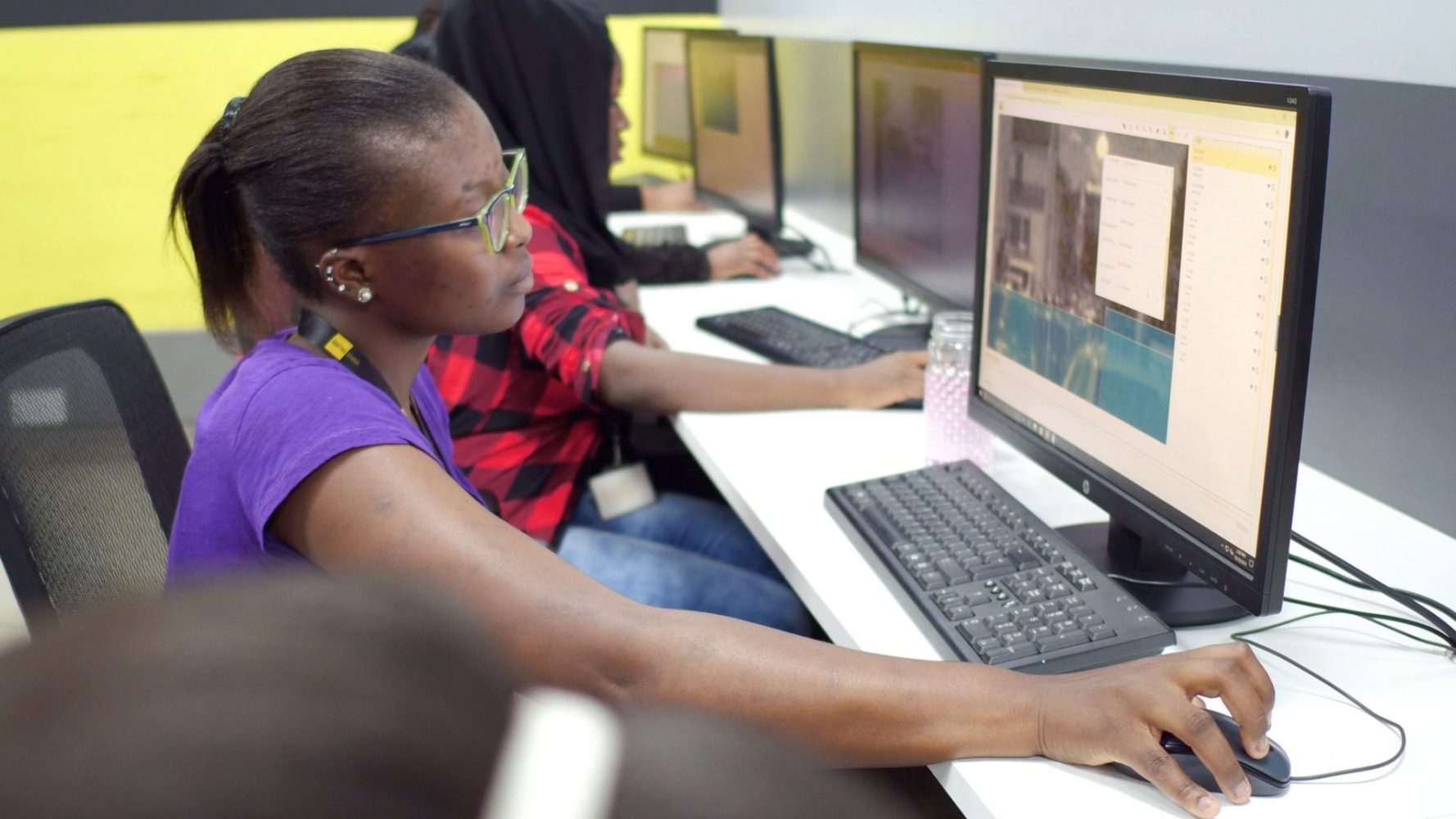
For the better part of a decade, Kenya has been promoted as a model for ethical outsourcing among global tech firms, and particularly in the jostling for artificial intelligence supremacy. The draw was a young, English-speaking, cost-competitive workforce, ideal for the tedious work of labelling data to train AI models.
Sama, a US-based firm that calls itself an “impact employer,” built its Nairobi office around that pitch. It secured contracts with some of the world’s largest technology companies and employed thousands of Kenyans.
On April 16, that model hit a wall. Sama announced it was laying off 1,108 employees after Meta, its single biggest client, terminated a major engagement. Despite attempts to negotiate, the contract loss stuck. The redundancy notice, issued under Kenya’s Employment Act, will take effect later this month.
The layoffs expose the risk of over-reliance on a small number of large international clients, a vulnerability few outsourcing firms in Kenya openly discuss. It’s often the case that when one of those clients leaves, the entire operation buckles.
Meta was the anchor
Sama’s client list includes Google, Microsoft, GM, and Ford. But industry insiders have long known that Meta was the anchor. The two companies began working together around 2017, with Sama providing content moderation and data annotation for Meta’s platforms.
The relationship grew large enough that a significant portion of Sama’s Nairobi headcount was dedicated solely to Meta work. When Meta decided to end that engagement, no other client was waiting to absorb the affected staff.
Meta has spent the past two years shifting its content moderation strategy. The company has invested more in automated filtering and has moved some contracts to lower-cost providers. For Sama, that shift was always a threat. But like many outsourcing firms, it had no diversified revenue stream to cushion the blow.
A troubled history
The Sama-Meta partnership has been marked by repeated controversies. In 2022, an investigation by Time Magazine found that Sama content moderators in Nairobi earned as little as USD 1.46 per hour after taxes.
More than 140 workers were diagnosed with post-traumatic stress disorder from reviewing graphic content, including beheadings, child abuse, and violent deaths, for Meta’s platforms. When some workers attempted to unionise and demand better conditions, they were fired. In 2023, Sama announced it was quitting content moderation work for Facebook to focus on computer vision annotation
Meanwhile, a group of 185 former moderators is currently suing Sama and Meta. The lawsuit alleges illegal dismissal and blacklisting from similar roles with other contractors. The moderators are seeking USD 1.6 B in damages.
Just weeks before the April 16 redundancy notice, a Kenyan Court of Appeal ruled that Meta could be sued locally over the dismissals. The court dismissed Meta’s appeal as “devoid of merit.” Mercy Mutemi, a lawyer representing the sacked moderators, called the ruling a wake-up call for Big Tech companies operating through contractors in Africa.
Automation is accelerating the risk
The Meta contract termination is not an isolated event. Across the industry, large technology companies are reducing their reliance on human content moderators and data labellers. Automation tools, machine learning models that can flag or classify content without human review, have become more capable and cheaper to run.
Even where humans are still needed, tech firms are pushing costs down. Outsourcing contracts are getting shorter, margins are shrinking, and suppliers like Sama have little leverage.
Kenya has positioned itself as a key node in what is often called the “global AI value chain.” The selling point is lower labour costs relative to Europe or North America, combined with high English proficiency and reliable internet infrastructure. But that value chain is only as stable as the next contract renewal.
When a major client like Meta decides to automate or move elsewhere, the jobs disappear almost overnight.
Today’s mass layoffs, combined with the ongoing legal battles and repeated allegations of exploitation, paint a troubling picture of an industry built on a fragile foundation.
What happens to the workers
Sama has said it will provide wellness resources, full medical benefits, and on-site counselling to affected employees. The company’s country lead, Annepeace Alwala, said in the redundancy notice: “Our immediate priority is supporting our employees through this change and ensuring continuity across our broader operations.”
No severance details have been disclosed. Under Kenyan law, employers issuing redundancies are required to pay severance at a rate of at least 15 days’ pay per completed year of service, along with notice or pay in lieu of notice.
For the 1,108 workers losing their jobs, the immediate concern is income. The longer-term concern is whether other tech companies will follow Meta’s lead, and whether Kenya’s outsourcing industry can survive a future where automation replaces the very jobs it was built on.
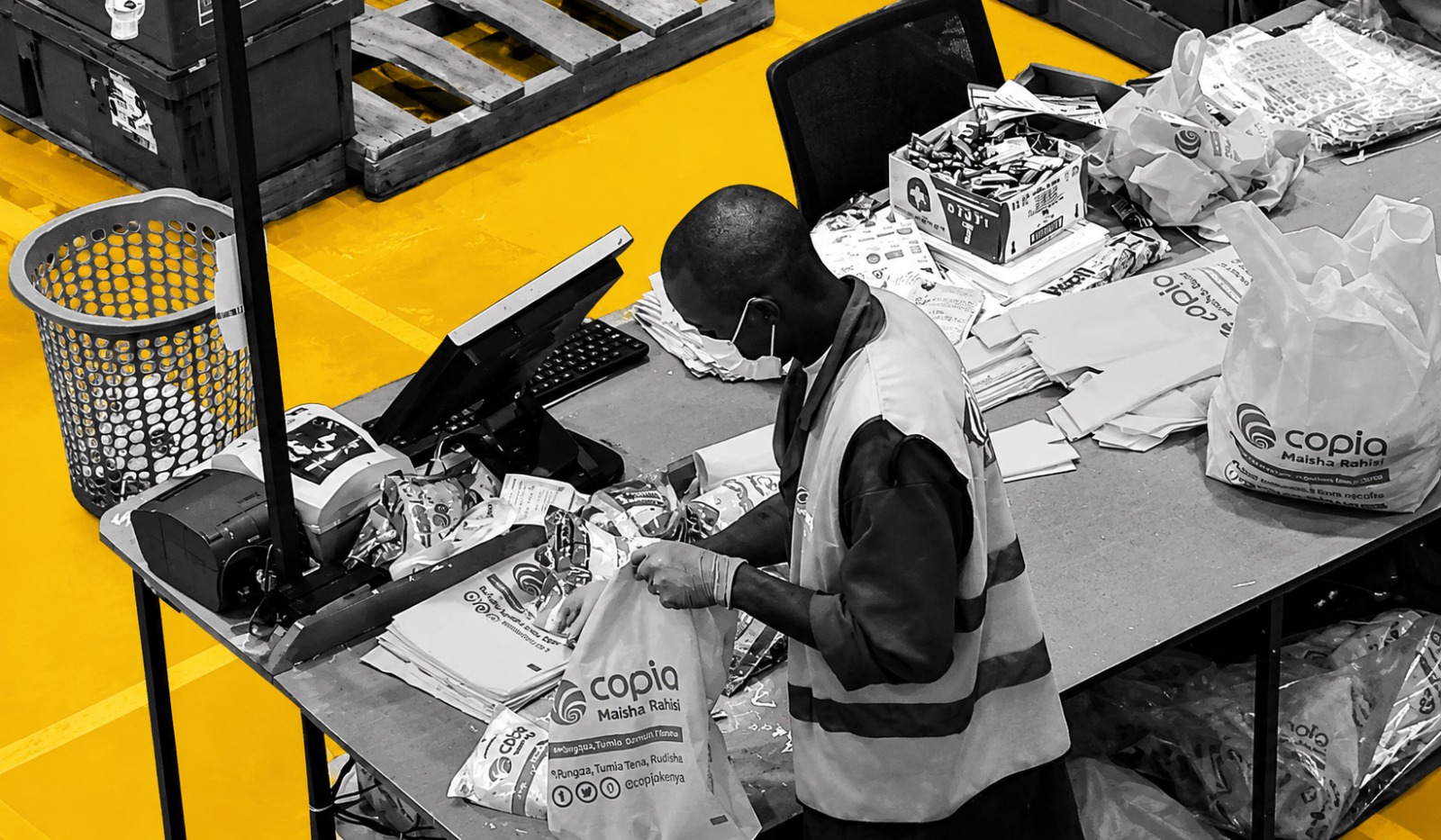
Feature Image Credits: BBC