SweepSouth, an app that connects households with domestic workers, recorded its highest cancellation rate since the pandemic. Uber and Bolt are facing a shortage of drivers that has pushed up trip prices. Checkers Sixty60, the grocery delivery service, has seen riders flee in large numbers. The common thread is the departure of migrant workers.
Anti-immigrant protests that peaked on June 30 have pushed tens of thousands of people to leave South Africa, exposing a fundamental contradiction in that the very platforms that anti-migrant campaigners say are taking jobs from South Africans cannot function without the migrants who fill them.
Authorities have processed around 67,000 migrants for deportation or voluntary repatriation in recent weeks. Zimbabwe alone has said nearly 100,000 of its citizens have returned since late May. The real number is almost certainly higher. The impact on South Africa’s platform economy has been immediate and severe.
SweepSouth, which relies heavily on migrant workers for its domestic cleaning services, has seen a sharp rise in cancellations from workers too afraid to travel.
“This last week has been really rough in our industry,” CEO Lourandi Kriel told EWN. “What we see is that not only Zimbabweans but even South Africans are getting attacked just on suspicion that they might not be South African”.
Some workers have indicated they may return to their home countries in the coming months because they no longer feel safe.
The ride-hailing sector has been hit just as hard. At least half of e-hailing drivers are migrant workers, according to Tella Masakale, spokesperson for the National E-Hailing Federation of South Africa. There has been a noticeable absence of workers since the protests peaked. In response, Bolt temporarily deactivated airport dispatch areas to discourage drivers from congregating in large groups. Uber has told drivers they can decline or cancel trips where they feel unsafe without penalty.
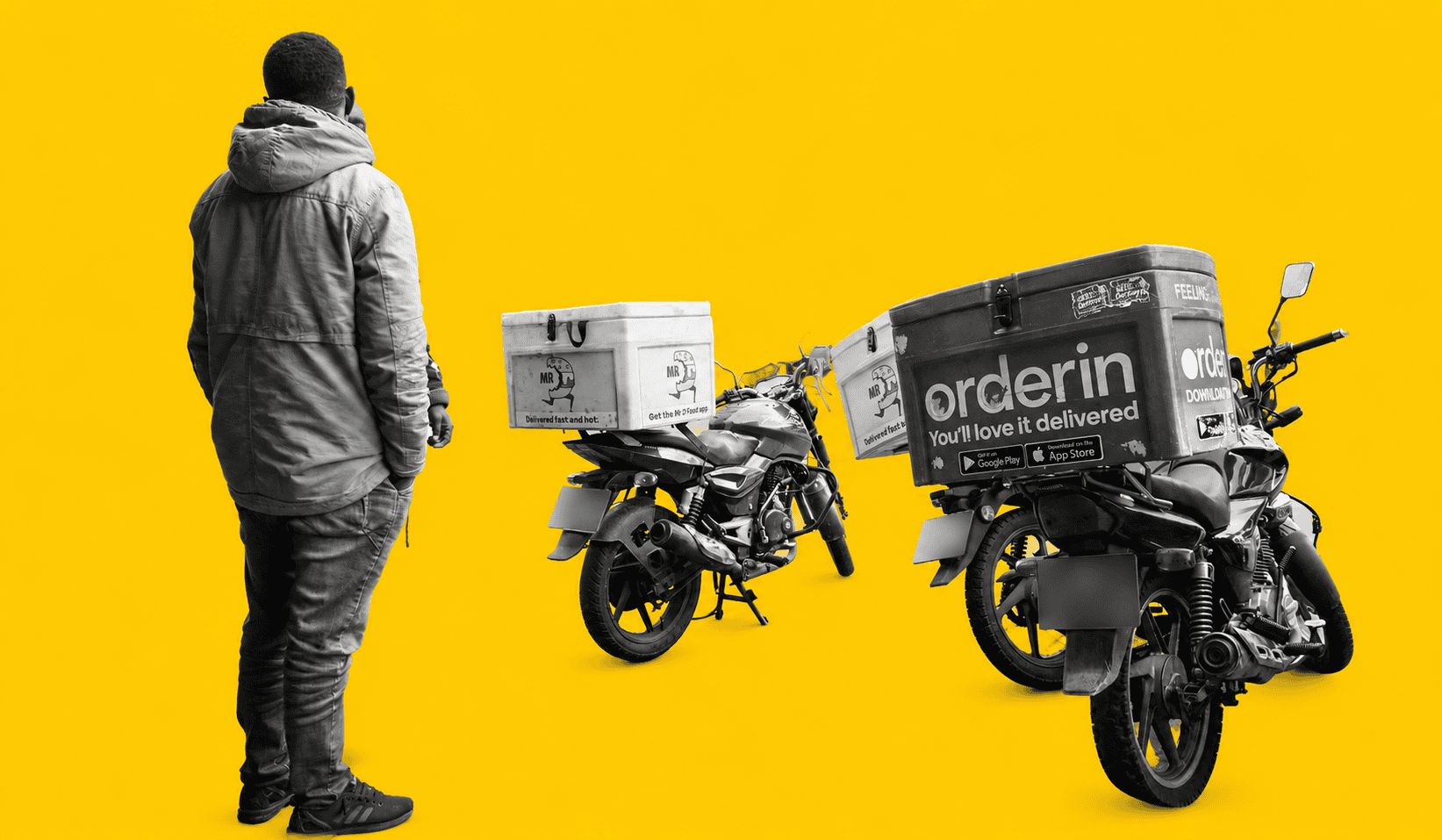
In the delivery scene, migrants account for 70% of Shoprite’s Sixty60 delivery service, which has a fleet of nearly 10,000 motorcycle riders. A Johannesburg-based Sixty60 driver from Lesotho said seven of the 10 delivery riders with whom he started the job in June have already left.
Indeed, Shoprite has previously said that eight out of every 10 South African drivers quit before their 10-week training is over, leaving foreigners to fill the void.
The irony is not lost on observers. The protests were driven by frustration over unemployment, crime and years of weak growth. But the departure of foreign workers risks slowing the economy further.
“A fast outflow of migrant workers could hamper productivity and production in the near term and may slow economic growth,” Mpho Lenoke, economics programme leader at North-West University, told Bloomberg. “The immediate economic impact is likely to be negative unless it is accompanied by broader policies to address skills shortages, unemployment and labour-market challenges”.
For platform companies, the challenge is now operational. South Africa’s porous borders and lax law enforcement have made it easy for millions of migrants to enter the country, where they tend to work longer hours and for less pay and demand fewer benefits than locals. The same ease of movement is now being reversed, and the platforms that built their businesses on a flexible, low-cost migrant workforce are struggling to adapt.
The protests have delivered what they demanded; migrants are leaving. But the businesses that depend on them are now feeling the absence.