This Cameroonian Is Perhaps The Most Connected Man In Africa And You’ve Probably Never Heard Of Him

By Henry Nzekwe  |  April 24, 2019

Acha Leke was barely a year old when his family left the shores of their homeland, Cameroon, for Canada. Both his parents were medical students who had interests in both gynaecology and immunology and the move to Canada was motivated by the pursuit of those studies.

Once their academic work was done, the family returned to Cameroon where the little boy lived out his childhood years – up until he was on his way to Belgium for the completion of his high school studies. He followed that up with a stint in the United States where he attended college.

Those were the formative years of perhaps one of Africa’s most connected men, Acha Leke, Senior Partner and Chairman of McKinsey’s Africa office; a man with an enviable track record when it comes to the business end of things on the continent, not to mention the many past and present African leaders on his speed dial.
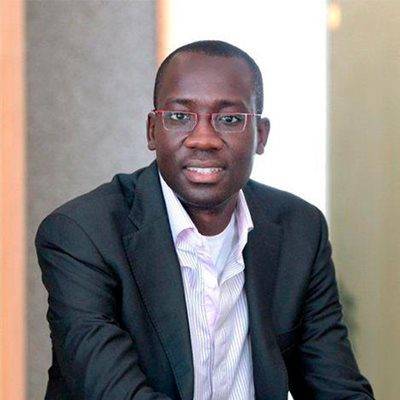
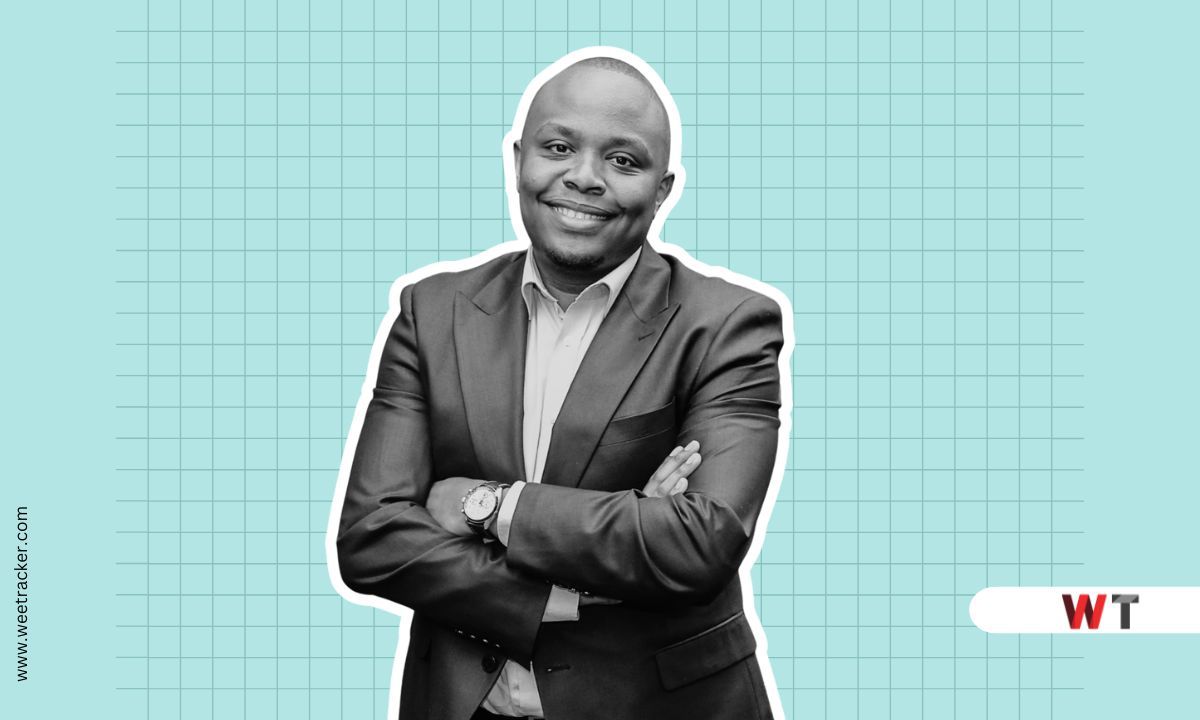
Dr. Acha Leke
Source: McKinsey

With over 400 companies doing revenues north of USD 1 Bn annually, consumer spending hitting as high as USD 1 Tn, and an average age of 19, opportunities for business in Africa have never been better. And behind the scenes, individuals like Leke are perhaps the ones pulling the strings and creating those possibilities.

When the Cameroonian graduated from Stanford with a Ph.D. in Electrical Engineering earned on the backs of a paper titled; “Dynamic Bandwith Optimization for Multicarrier Systems,” he had several options laid out in front him, which in spite of popular opinion, is not exactly ideal given that things get a whole lot trickier when there are too many options.

With his head probably bursting with ideas following his academic exploits and offers popping up from basically everywhere, he didn’t have the easiest of choices to make. And so when he made the unexpected decision of taking a consulting internship at a firm in the United States, many thought it a step down. It was an unspoken opinion that he could have done better.

But as he has been proving for the last twenty years, it was perhaps the best decision he ever made. Turning up for work at McKinsey for the first day many years ago, he wouldn’t have known that he was stepping into a stellar career that has put him in the same room as Presidents and billionaires from various parts of the world, in concerted efforts aimed at effecting positive change throughout the continent.
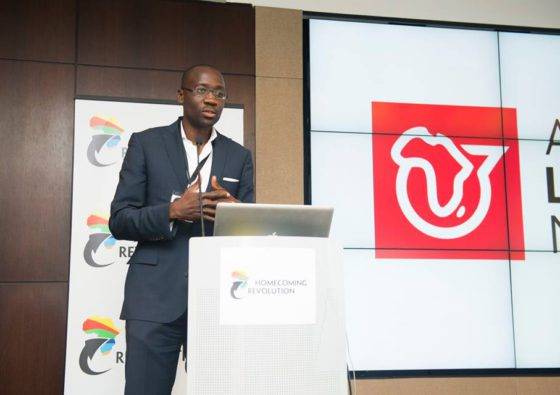
Source: homecomingrevolution.com

These days, there’s plenty of talks centred around self-employment and being one’s own boss; the new cool. But not enough is said about all the good stuff one could still do on the dreaded nine-to-five, or perhaps nine-to-nine as is often the case these days.

From his position as Senior Partner at the Johannesburg office McKinsey & Company, the Cameroonian is doing the most to introduce a new wave of investors to Africa’s economic potential – something he’s been achieving with his ingenious “Lions on the Move” series.

Besides that, his repertoire of great deeds speaks volumes. Leke has worked to save lives in both Nigeria and Uganda. He’s also become some kind of go-to consultant for African companies who are looking to boost performance. In addition, the Cameroonian is a vocal advocate of the need to open up the continent to visa-free travel, even though it might be argued that he’s got some vested interest there.

Even at that, while fulfilling the roles of his day job, Leke is also a known angel investor who has thrown some financial weight behind as many as a dozen African startups. Most recently, he’s known to have embarked on a mission to establish a network of schools and universities across the continent in the hopes of nurturing Africa’s future leaders.
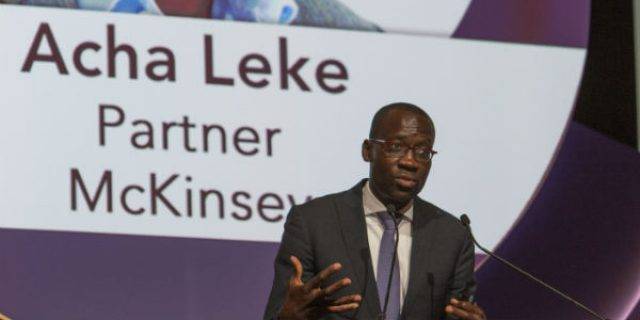
Source: jeuneafrique.com

It was the year 1998 when Leke joined McKinsey and this period coincided with the spiraling out of control of the deadly HIV infection in Uganda. For his first project on the job, he opted to tackle the menace head-on. Within a couple of weeks, Leke had championed an action plan that would make it possible for global pharmaceutical firms to cut down on the price of antiretrovirals (ARVs) significantly.

At the time, a month’s worth of ARVs could cost as much as USD 700.00 in Uganda, and this was a country where average annual salary stood at USD 300.00 – basically a death sentence for individuals infected by the virus.

Leke took the idea to his superiors and after a few tweaks here and there, what was rolled out was a plan that benefited both sides, without diluting the core markets of the pharmaceutical firms or bringing Uganda’s healthcare system to its knees.

These efforts brought about a rise in the use of ARVs amongst persons infected with the virus in Uganda – a climb from less than a thousand to well over 50,000 – saving many lives in the process. Before long, the ‘Leke-inspired’ model was replicated in other parts of Africa, saving yet more lives.

The Cameroonian was working out of the McKinsey office in Atlanta at the time and having come good with the idea for the cut-price ARVs, his stock was rising fast. He was proving himself an asset to the organisation, especially with contributions geared towards a better Africa.

It seems Africa kept beckoning on Leke during his time in the United States and in 2002, he got himself transferred to the company’s office in South Africa. Initially, the plan was to work from SA for only a year but things got better from there. He had hoped to do a lot more now that he was closer to his roots. And he did do much more.
Source: Youtube

Leke likes to describe the move to SA as his “best professional decision ever,” and for the self-named socialite who once had a stint as a nightclub owner, it was also a brilliant personal move as he feels right at home in his current surroundings. SA is now something of an adopted home for Leke and he’s taken quite a liking to the vibrant energy that seems to engulf the place.

Once he got transferred to SA, Leke wasted no time getting busy. Although the transfer arrangement was supposed to last for only a year, it soon became evident that he was even more effective in his new surrounding. So, he remained.

In 2010, he talked his bosses into opening a second African office – this time, in Lagos, Nigeria. He ran this new office for the best part of four years and during that time, he saw McKinsey assume the position of leading consulting firm in Africa.

And it’s remained there since – opening four more offices on the continent and championing improved business procedures and standardisation throughout the continent, as well as creating a ripple effect that has seen similarly decent platforms pop up over the years. In a country like Nigeria, for instance, the general improvement in professionalism and corporate governance in public institutions could be attributed, in part, to the arrival of McKinsey several years ago.

In Leke’s line of work, there’s always the potentially-rewarding lure of doing business with “glamorous” private sector clients and global corporates, but the Cameroonian has opted to tow a somewhat different line. The bulk of projects he’s taken on have strong ties to the public and social sectors.
Source: amediaagency.com

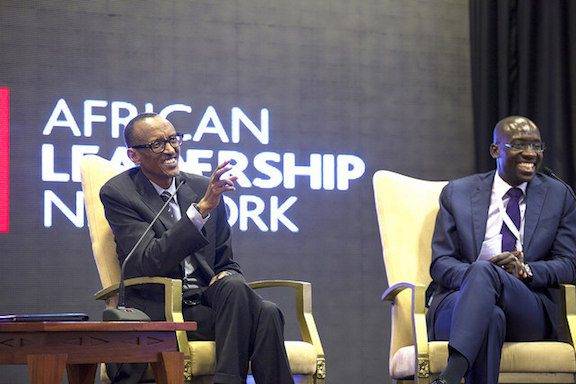
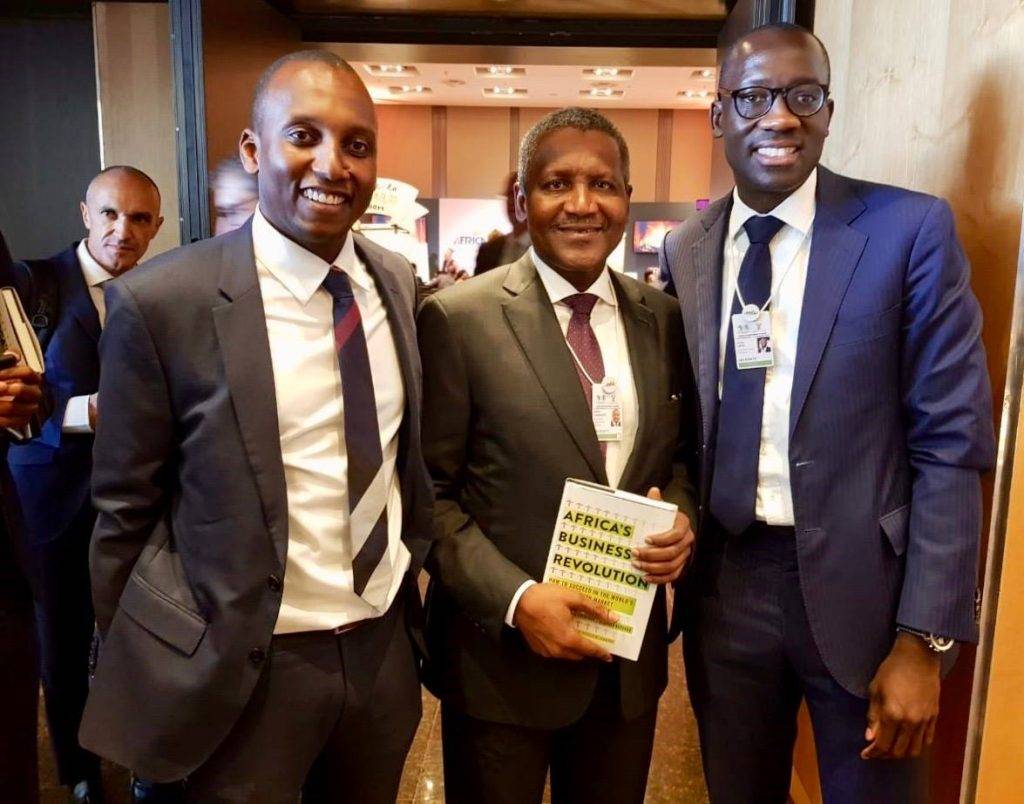
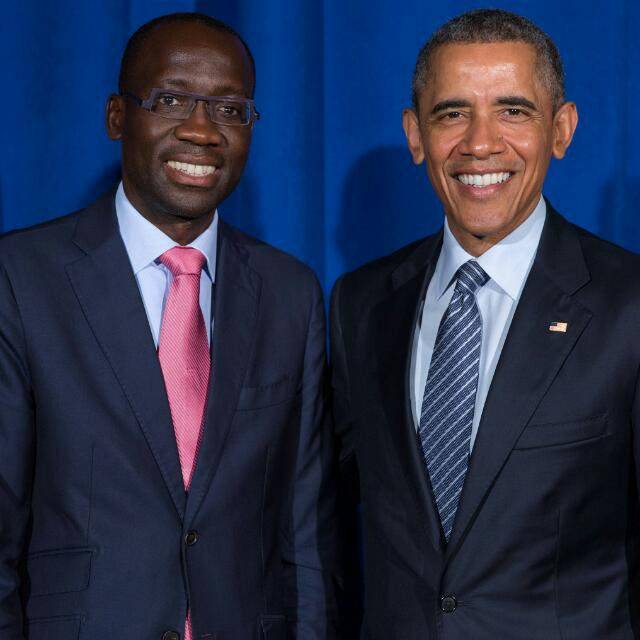
In the years past, Leke has been able to warm his way into the hearts of key drivers of Africa’s economic transformation. Some would even say he’s on a first name basis with such distinguished personalities as President Paul Kagame of Rwanda, Ngozi Okonjo-Iweala (Nigeria’s former Finance Minister and ex-Managing Director of the World Bank), Donald Kaberuka (former President of the African Development Bank) and Aliko Dangote, the richest man in Africa – individuals whose ears you’d want to have.

In 2004, Leke put those contacts to good use when he joined forces with Swaniker to bring the African Leadership Academy to life. The prestigious high school which sits in Johannesburg has enrolled students from 46 African countries, with 85 percent of those on full scholarships.
Source: econetwireless.com

The vision of the institution has since expanded to include the African Leadership University (with campuses in Mauritius and Rwanda, and more planned), as well as the African Leadership Network; a gathering of influencers from across the continent that seems like something from Davos.

By bringing in funding, serving on committees, and even interviewing prospective candidates, Leke has been on top of things with respect to putting the academy on solid footing.

If it seems Leke is too generous with his time, that’s probably because he is. Tarryn Govender, his longtime assistant, once said that she’s made attempts to put “measures in place” to fix this without much success.

In the end, what looks like an unreserved commitment to improving the fortunes of the continent on the business front, is indeed justified, especially as eight African countries happen to occupy the last twelve places in the most recent Doing Business Rankings released by the World Bank.
Source: Twitter

In any case, the Cameroonian is under no illusions as he’s well aware that the conditions on the continent are far from ideal, with such details as infrastructure, education, and business climate in need of drastic improvements. And then, it’s hard to ignore the fact that economic growth on the continent has slowed recently.

The stall in growth is undoubtedly a cause for concern but Leke is still betting massively on a continent where he has put together an impressive career and investment portfolio.

For now, the 45-year-old remains a key figure in McKinsey. Even as everyone gets to walk eventually, Leke doesn’t have any immediate plans to move on, though, he’s as committed as ever to making the African Leadership Group even bigger.

Oddly, his country of birth, Cameroon, is one of the few African countries he’s yet to work in and going forward, he probably has it at the back of his mind to go back and work in the country’s public sector.

Now, let’s give it up for Acha Leke; one of Africa’s illustrious sons!

Featured Image Courtesy: Youtube
StanChart Completes Exit From Cameroon, Hands Over To Access Bank

By Wayua Muli  |  December 9, 2025

Standard Chartered (StanChart) has finalised the divestment of its Cameroon business, successfully completing the handover of operations to Access Bank Cameroon. This move is consistent with StanChart’s broader global strategy, which was initiated in April 2022, with the announcement of the divestiture of its business from seven countries across Africa and the Middle East.

The countries StanChart has marked for divestment, besides Cameroon, are Angola, Sierra Leone, Zimbabwe, Gambia, Lebanon, and Jordan. The migration of the Cameroon business marks the second concluded sale, with Jordan (which was sold to Arab Jordan Investment Bank) concluded in 2023.

The bank’s leadership emphasised that the core objective of the divestitures was to streamline their international footprint to better serve clients in countries where the impact would be maximised. Anna Asonganyi, CEO for Standard Chartered Cameroon, commented on the transition, noting that the priority throughout the process was to ensure a smooth transfer for both staff and clients. She expressed confidence that the high standards of service and support established by StanChart would continue under Access Bank’s management.

Kariuki Ngari, Managing Director and CEO for Standard Chartered Kenya, reiterated the strategic rationale, highlighting that the decision to sell the businesses in seven markets was fundamentally about driving efficiencies and scale. He also confirmed the two institutions successfully completed the integration of their banking operations, including branches, personnel, and client portfolios, into Access Bank’s existing infrastructure, over the course of two years.

Despite the physical exit from the onshore banking market, Ngari confirmed that StanChart will maintain a presence and continue to operate as a facilitator, acting as a crucial bridge for international capital flows into Cameroon.

In the interim, the StanChart is still waiting regulatory approvals to complete their divestitures in Gambia and Sierra Leone, where Access Bank will once again take over, and Zimbabwe, where First Capital Bank is set to become its new home.

Featured Image Courtesy: International Finance Magazine

Weetracker_Travel

Morocco Emerges As A Top Global Destination Following A Major 2025 Tourism Surge

By Emmanuel Oyedeji  |  December 9, 2025

Morocco is closing out 2025 with remarkable momentum, standing among the world’s fastest-growing and most admired travel destinations as it moves into 2026, according to the Travel and Tour World magazine. 

The past year has been one of record-breaking performance, rising international visibility, and strong economic gains that have reshaped global perceptions of the kingdom.

According to the Ministry of Tourism, Morocco welcomed 17.4 million tourists in 2024, a 20% increase over the previous year and 33% above pre-pandemic levels. That momentum accelerated in 2025, when the country surpassed 18 million visitors by November, setting yet another all-time record and strengthening its global position.

According to the magazine, Morocco climbed to 13th place in the UN Tourism global classification of destinations with the strongest international expansion. At the same time, Morocco’s international reputation reached new heights when it was named Destination of the Year at the 2025 Travel Awards in Brussels.

It points to Morocco’s heritage, culture, and coastline as key reasons for its broad appeal. The country’s ability to offer variety within a single trip is one of the reasons it continues to rise in international rankings and attract travelers from a growing range of markets.

This ranking reflects the impact of years of targeted investment in infrastructure, transportation, cultural sites, and hospitality developments supported by major projects ranging from USD 100 M to over USD 1 B.

Together, these commitments have helped Morocco emerge as a leader in both Africa and the Middle East while boosting tourism revenues to USD 9.6 B in the first eight months of 2025 alone.

As these achievements stack up, Morocco’s tourism roadmap has become a core driver of both performance and stability. The national strategy, which supports major investments in hotels, airports, heritage preservation, and sustainable tourism, continues to guide development as the country targets 26 million tourists by 2030, a goal aligned with its role as co-host of the 2030 FIFA World Cup. These efforts have helped tourism maintain its position as a key pillar of the economy, contributing roughly 7% of GDP and supporting thousands of businesses across regions.

Meanwhile, the rise in global recognition is also driving economic gains. Hotels are reporting record occupancy, restaurants are experiencing higher customer volume, and small enterprises in transport, culture, crafts, and guided experiences are expanding steadily. New services, upgraded infrastructure, and a stronger hospitality sector are creating a cycle of growth that benefits both travelers and local communities.

As visitors explore Morocco, they find a country where different landscapes and cultures connect seamlessly. Historic cities such as Rabat and Fes showcase a deep artistic and intellectual heritage, while coastal areas along the Atlantic and Mediterranean offer a relaxed atmosphere for travelers seeking sun and sea. At the same time, mountain villages, desert routes, and archaeological sites such as Volubilis expand the range of experiences available, offering travelers variety without losing the coherence of a unified national identity.

This diversity—cultural, historical, and geographic—has become one of Morocco’s strongest assets. It allows the country to appeal to adventure-seekers, heritage enthusiasts, beach travelers, food lovers, and urban explorers alike, making Morocco not just a destination but a multi-layered experience that encourages repeat visits.

As Morocco enters 2026, the country appears well prepared to extend the progress achieved over the past two years. Ongoing government programs continue to emphasize responsible travel, cultural preservation, and community-focused development, ensuring that growth remains sustainable and widely shared. International visibility is rising, infrastructure is expanding, and the tourism sector is aligning itself with long-term national ambitions.

M-PESA App Blocked In Ethiopia, Intensifying Dispute Over “Unfair Competition”

By Staff Reporter  |  December 8, 2025

A public statement from M-PESA Ethiopia on December 5th claimed that Ethio Telecom, the state-owned incumbent, was preventing its customers from accessing the newly launched app, sparking the latest clash in a market where regulators warn the playing field is not level.

Days after launching a new mobile money application designed to work across any network, M-PESA Ethiopia has publicly accused the state-owned incumbent, Ethio Telecom, of blocking customer access to the service. The allegation marks a new flashpoint in a bitter market battle and directly echoes warnings from a recent World Bank report about anti-competitive structural advantages enjoyed by the dominant operator.

The incident raises urgent questions about the reality of Ethiopia’s telecom liberalisation, a flagship reform under Prime Minister Abiy Ahmed, and the future of foreign investment in one of Africa’s last untapped markets.

M-PESA Ethiopia, the financial services arm of Safaricom Ethiopia, launched “M-PESA Lehulm” last week. The application was designed to be telco-agnostic, meaning it could operate on smartphones using any mobile network provider, a strategic move to break from reliance on Safaricom’s own infrastructure.

However, within days, the company issued a public statement alleging that customers relying on Ethio Telecom’s mobile data services were completely unable to log in, transact, or retrieve funds through the new app. M-PESA Ethiopia stated the service had received full approval from the National Bank of Ethiopia and the Information Network Security Administration (INSA) and called on regulators to intervene.

Ethio Telecom has not issued a public response to the allegation. This incident is not isolated; the World Bank’s October 2025 Ethiopia Telecom Market Assessment explicitly cited the “alleged blocking of access to Safaricom applications, including M-PESA” as a troubling practice that undermines competition and innovation.

***

The dispute over app access is symptomatic of deeper, systemic imbalances documented by international observers. The World Bank report concluded that while liberalisation has begun, the market is “liberalised in name, but not in practice”.

A notable point of contention is the unequal starting conditions. Safaricom Ethiopia consortium paid approximately USD 1 B for its operating license. In contrast, Ethio Telecom, which has operated for decades, was not subject to a similar fee, granting it a massive initial financial advantage.

The regulator has designated Ethio Telecom as holding Significant Market Power (SMP) in six key market segments, compared to just one for Safaricom. This dominance is entrenched in infrastructure: Ethio Telecom controls the national backbone fibre network, forcing Safaricom to lease capacity at a reported cost of USD 3 M per year while also building nearly 60% of its own sites.

The report details how Ethio Telecom prices voice calls below the regulated Mobile Termination Rate (MTR). This forces Safaricom to lose money on every call its customers make to Ethio Telecom’s network, as it must match the below-cost prices to remain competitive. The World Bank estimated this practice alone was costing Safaricom up to USD 1.6 M per month.

***

The competitive landscape has exacted a heavy financial toll on the newcomer, even as it drives broader market growth.

Safaricom Ethiopia’s operation remains deeply unprofitable, reporting a service revenue of KES 6.19 B (USD 47.9 M) for the six months to September 2025—more than double the previous year—but still recording a steep negative EBIT of KES 20.2 B. These losses are amplified by a severe currency depreciation, with the Ethiopian Birr falling 16.9% against the US dollar in the last half-year.

Despite this, Safaricom is gaining customer traction. Its active customer base in Ethiopia soared 83.7% to 11.15 million, while its M-PESA active users surged approximately 175% year-on-year to 3.4 million.

Telebirr’s integration into government services and its pre-installation on devices give it a formidable, state-backed edge. Meanwhile, M-PESA is attempting to compete through innovation, such as its super-app hosting 28 mini-apps and its new Errif digital lending platform.

Observers note that the ongoing clash transcends a corporate rivalry as it serves as a litmus test for Ethiopia’s commitment to creating a transparent, competitive market for foreign direct investment.

The World Bank and other analysts warn that prolonged unfair practices and regulatory uncertainty will deter future investors. This concern appears validated; Ethiopia recently suspended the process for issuing a third telecom license after potential bidders sought improved conditions.

For Safaricom, the Ethiopia venture is a high-stakes strategic play for long-term growth, buffered by its exceptionally profitable home operations in Kenya, where half-year net income recently hit a record KES 42.8 B.

The company maintains a long-term view, planning to invest a further USD 1.5 B over three years in network expansion. But question marks remain about whether Ethiopian regulators will enforce the rules to ensure such capital continues to flow.

Feature Image Credits: Mobile World Live

Weetracker_Private_Equity_Africa

Mauritius Displaces Nigeria, Climbs To No. 1 Spot In Africa’s PE Market In The First 9 Months Of 2025

By Emmanuel Oyedeji  |  December 5, 2025

In the first nine months of 2025, Mauritius vaulted to the top spot among African private equity destinations, outpacing Nigeria even though it completed far fewer transactions.

According to data from DealMakers Africa, Mauritius recorded a total deal value of USD 1.25 B, a dramatic 311% rise from just USD 38.9 M in the same period the previous year. Meanwhile, Nigeria, despite closing 45 deals, saw its total deal value shrink sharply to USD 987.5 M from USD 3.8 B

That leap didn’t come from an increase in deal count but from a few very large transactions. In June 2025, a merger combining the diplomatic-housing businesses of Diplomatic Holdings Africa, Verdant Ventures, and Verdant Property Holdings—made official through 24.7 million Grit Real Estate shares—alone accounted for USD 839 M.

That same month, another major transaction saw Tremont Master sell a 56% stake in Alphamin Resources (approximately 718.99 million shares) to Alpha Mining in a deal worth USD 367 M. Together, these two transactions accounted for a substantial portion of Mauritius’ 2025 surge.

Mauritius’ race to the top comes as the momentum in the broader African private equity market weakens. DealMakers Africa found that deal value outside South Africa slipped 6% year-on-year to USD 6.85 B, after a 10% fall in 2024. Total deal count dropped to 259 from 282.

West Africa led the regional tables with 78 deals, thanks to Nigeria’s volume. North Africa followed with 67, most of them in Egypt, and East Africa posted 63, driven by Kenya.

General corporate finance activity took a sharper hit. There were 64 transactions worth USD 2.2 B, down from 88 deals worth USD 10.4 B in 2024. Notable transactions included Sun King’s USD 156 M securitization, the largest of its kind in sub-Saharan Africa outside South Africa. Mining dominated the top 10 list, led by Vitol’s USD 1.65 B acquisition of stakes in Côte d’Ivoire’s Baleine project and the Republic of Congo’s LNG project.

Mauritius’ Rebranding into an Economic Hub

Mauritius, once best known as an idyllic tourist destination, is now one of Africa’s most sophisticated financial hubs. Over the past few decades, the island has built a strong legal and regulatory framework, fashioned a business-friendly tax regime, and leveraged its geographical position, bridging Africa, Asia, and Europe to become a go-to gateway for capital flows across the continent. 

Today, the island-state, with only a population of 1.3 million and a GDP of USD 14.95 B in 2024 per the World Bank, hosts more than 450 private equity funds that collectively manage almost USD 40 B in assets spanning infrastructure, renewable energy, agriculture, telecoms, logistics, fintech, and financial services. That concentration of capital, expertise, and governance gives fund managers a reliable base for structuring continent-wide investments and navigating cross-border deals in volatile markets.

Moreover, Mauritius benefits from a network of bilateral investment treaties and its participation in the African Continental Free Trade Area (AfCFTA), enhancing regional integration and strengthening investor legal protection.

According to advisers like StraFin Corporate Services, structuring investments via Mauritius offers tax efficiency, simplified governance, and compliance with international standards, all major draws for global investors, family offices, and multinationals seeking Africa exposure.

Mauritius’ rise as a financial gateway sends a powerful signal about the shifting landscape in Africa’s PE. For investors and fund managers, Mauritius’s legal, regulatory, and tax infrastructure offers a secure, efficient launching pad for cross-border deployments. As a result, a handful of large transactions now carry more weight in shaping deal-value rankings than many smaller deals combined.

Overall, private equity is increasingly being seen not just as niche funding but as a reliable engine for scale, consolidation, and long-term value creation.

Best eSIM for Nigeria 2026 -Partner Content

Best eSIM for Nigeria 2026

By Partner Content  |  December 5, 2025

Nigeria’s networks range from 5G in Lagos, Abuja, and other major cities to 3G in rural states. Therefore, choosing the right eSIM begins with coverage research. From there, crucial points to consider when finding the best data plan include ensuring a stable signal between regions, clear data-per-GB pricing, hotspot availability, easy activation, and compatibility with unlocked iOS and Android devices.

With unequal coverage across the country, travellers and local users require flexible connectivity options. Roaming costs are high, and the need to physically change SIM cards is inconvenient, which is why eSIMs have become a practical solution. Multi-network services – including Ohayu eSIM Nigeria – automatically connect users to the strongest available signal from Airtel, Glo, and MTN networks. This offers better reliability in remote locations, on highways, or when moving between cities.

Why eSIMs are changing connectivity in Nigeria

Embedded SIM is gradually changing the way people connect to mobile networks in Nigeria. Unlike traditional physical cards, which need to be inserted and changed manually, Nigeria eSIM works entirely digitally. It can be activated in a few minutes using a QR code, without visiting a carrier’s store. This convenience has made the technology popular among urban users and nomads who often use multiple networks and travel between regions.  

Despite its flexibility, the widespread adoption among local users is still limited. The travel market is currently the main driver. It offers:

  1. Instant activation;
  2. Flexibility;
  3. Savings on roaming;
  4. Multi-network connectivity without the need for multiple physical cards. 

Some solutions even switch between operators automatically. It guarantees stable coverage in different cities, from Lagos to Abuja.

How to choose the best eSIM for Nigeria 

First, analyze the area you are planning to visit. If it is a rural area, expect 2G/3G coverage. 4G coverage is widely available in Ode-Irele, Idemili South, and other states. Meanwhile, 5G is available in Lagos, Ibadan, Benin City, Onitsha, and Enugu. 

Some of the other points to keep in mind:

  1. Pick mobile networks in Nigeria from Airtel, Glo, and MTN. 
  2. Check device compatibility on the provider’s website by entering the smartphone model (iPhone, Samsung, Pixel, Meizu, Lenovo, etc.). Check that your device is unlocked. Locked gadgets give no connection to other operators. 
  3. Review the restrictions on transferring unused data depending on local or travel plan.
  4. Determine whether you need minutes and texts, which are mostly offered by local carriers. Most carrier options include data-only plans.

Source: https://ohayu.com/blog/best-mobile-networks-nigeria/ 

You should also choose the activation time. This can be before your trip or after landing. Activation is possible via QR code, manual code entry, or app-based setup. Note some details:

  1. For iOS: Settings → Cellular → Add embedded SIM; 
  2. For Android: Network & Internet → SIMs → Add embedded SIM.

Best global providers of eSIM for Nigeria – plans comparison

We’ve checked out and compared the top international Nigeria eSIM providers: Ohayu, Airalo, Holafly, Nomad, and Yesim, based on key criteria. Here are the detailed results:

ProviderData AmountPriceValidityHotspot SupportPartner networksCost per 1GB of data
Ohayu3 GB$21.2914 days+Airtel, Glo, MTN$7.10
Airalo2 GB$13.5015 days+Airtel$6.75
HolaflyUnlimited$62.9014 days+Airtel, Glo, MTN$4.49/day
Nomad3 GB$17.0030 days+Airtel$5.60
Yesim3 GB$15.607 daysDepends on the operatorAirtel, Glo, MTN$5.21

Use cases & network performance  

Travelling to popular cities. Embedded SIMs usually work reliably thanks to dense 4G/5G coverage in Lekki, Victoria Island, Ikeja, and Yaba in Lagos, as well as in central areas of Abuja near Millennium Park, Wuse, or Maitama. This is convenient for navigating between major tourist attractions such as the National Theater in Lagos or Aso Rock in Abuja, as well as for video calls and streaming.

Driving to remote areas. Keep in mind that 3G connectivity is prevalent in Yankari National Park and Gashaka Gumti National Park. During long road trips between states, coverage can vary, and data plans that connect to multiple local carriers are most beneficial here. Automatic switching between Airtel, MTN, or Glo increases your chances of staying online at least at a basic level, especially in areas with limited infrastructure.

Business trip. Those who regularly move between business centers, such as the Victoria Island area in Lagos, the Central Business District in Abuja, or the Trans Amadi area in Port Harcourt, get the most reliable connection. These areas have 4G/5G with the highest speeds and most stable data transfer. Video conferencing, collaboration, and fast file downloads are guaranteed.

What to avoid when choosing an eSIM

Avoid these mistakes when buying the best eSIM for Nigeria:

  1. Trusting little-known single-operator providers;
  2. Buying a plan before checking gadget compatibility;
  3. Choosing a plan that doesn’t fit your needs;
  4. Selecting an operator without checking coverage;
  5. Leaving roaming enabled on the main SIM card;
  6. Choosing a provider without technical support.

Nigeria eSIM FAQs 

How to get an eSIM for Nigeria? 

Select a provider and tariff plan according to your needs. Activate the package before or after arrival via QR code, manual code entry, or app-based setup.

Do embedded SIMs work outside Nigerian cities?

Yes, but coverage in rural areas remains within 3G and 4G, so multi-operator eSIMs work best.

Can one eSIM cover multiple countries?

Yes, the carriers we analysed offer this feature. For example, Ohayu has global plans for travelling to different countries without worrying about switching between SIM cards.

How does eSIM work for national parks and remote spots?

The signal may be unstable in remote areas, so the embedded SIM switches to the best available operator if it is a multi-network plan. Expect 3G in such areas. 

What if I’m out of data or need to extend the validity period? 

Some suppliers allow you to extend the validity period for an additional fee, while others offer the purchase of an additional package.

Final thoughts 

It’s easier to select the best eSIM for Nigeria when you know the travel needs. Holafly and Yesim offer bigger data limits, while Airalo and Nomad attract customers with low prices. If you plan to travel between regions, visit parks, and local attractions, then Ohayu is a convenient option due to its automatic selection of the most stable network. Moreover, this service identifies the device automatically and has apps for Android and iOS to simplify the plan selection, data usage monitoring, and accessing user guides.

2025 African Startup Review: Unpacking Key Trends and Events

2025 African Startup Review: Unpacking Key Trends and Events – Startup Shutdowns

By Emmanuel Oyedeji  |  December 4, 2025

As 2025 comes to a close, we’re taking a moment to look back at some of the stories that dominated conversations across Africa. This week’s edition turns the spotlight on one of the ecosystem’s hardest topics: Startup Shutdowns.

It has been a year marked by tough decisions, dramatic pivots, and founders wrestling with realities that no pitch deck can soften. Across the continent, companies faced rising costs, unforgiving markets, and the pressure to build not just fast, but sustainably.

What follows is a look at the companies that closed their doors or entered administration and the deeper signals behind each fall.

Joovlin: A Quiet End for a Promising Early-Stage Contender

This year’s shutdown narrative began with Joovlin’s shutdown in January. The Nigerian startup closed after nearly four years of building tools for micro-suppliers to manage orders and online sales.

It attracted over 2,000 resellers, secured USD 100 K in funding, and earned praise for solving a real operational pain point.

But early-stage traction couldn’t make up for an empty runway. Joovlin struggled to raise follow-on investment, and without fresh capital or a path to meaningful revenue, the founders made the tough call to shut down. The shutdown wasn’t dramatic; it was simply the result of timing, investor appetite, and the relentless math of burn versus growth.

The end was quiet, almost understated, yet it marked the beginning of a year where much louder collapses would follow. And barely weeks later, the ecosystem received the next, far more jarring signal.

Bento Africa: The HR Startup That Wanted to Be the Deel for Africa, Until the Floor Fell Out

Bento Africa had long pitched itself as the Deel for Africa—an automated payroll and HR platform that could scale across markets and simplify compliance. With a big vision, Bento quickly expanded into Ghana, Kenya, and Rwanda while onboarding hundreds of businesses.

It was the kind of company investors expected to scale quickly and dominate a critical infrastructure category.

But by early 2025, the company was sinking under allegations of unremitted taxes and pension contributions. The undoing began when the company’s engineers stopped work in protest of unpaid salaries, and the company fired the entire tech team, paralyzing its payroll engine.

Clients soon reported that their employees’ salaries had been missed. Tax and pension remittances also went missing, with one business publicly claiming NGN 50 M in unremitted deductions, prompting investigations by the EFCC and LIRS.

Bento’s CEO resigned as the panic deepened, and the board announced a temporary shutdown while advising customers to stop funding their payroll accounts.

Unlike Joovlin’s shutdown, which was because of limited funding, Bento collapsed in a spiral of mistrust and forensic scrutiny. And as the dust settled, founders across the continent were reminded of something uncomfortable: in fintech, ambition means nothing if the fundamentals aren’t airtight. You cannot automate payroll for others when your own house is unstable.

Edukoya: Edtech Ambition Meets Market Friction

Later in the same month, the spotlight shifted to education technology. Edukoya had entered Africa’s edtech scene with rare fanfare, landing the continent’s largest pre-seed round, USD 3.5 M, in 2021. Its model of K–12 tutoring with live classes, on-demand classes, and AI-supported learning felt like the perfect answer to Africa’s youth boom and widening learning gaps.

The platform onboarded 80,000 students, delivered over 15 million answered questions, and hosted thousands of live tutoring sessions. Its metrics were strong, its mission timely, and its product ambitious.

But the harsh reality was simple: the market wasn’t ready. Poor internet access prevented consistent usage. High device costs kept millions locked out. Disposable incomes kept falling as inflation rose. Even with a freemium model, converting users to paying customers became impossible at scale.

Unable to find a sustainable model, and after exploring M&A and potential pivots, the team decided it was better to close the platform and return capital than burn cash chasing scale that wasn’t coming. Edukoya’s shutdown marked a sobering turn in a sector that is long overdue for growth but continues to collide with Africa’s infrastructure gaps.

Lipa Later: Administration Takes Over

Kenya’s Buy Now Pay Later (BNPL) startup Lipa Later didn’t shut down, but its entry into administration in March 2025 signaled deep trouble for consumer credit startups in East Africa.

The company had raised USD 16.6 M across multiple rounds and expanded into Uganda and Rwanda. It even went on the offense during tough times, acquiring the e-commerce platform Sky Garden for USD 1.6 M in late 2022, a bold move that signaled confidence in its future.

But by early 2025, 3 years later, that confidence was fading. Lipa Later struggled to raise new funding, payroll obligations began slipping, and concerns around debt levels intensified. The appointment of an administrator placed the company’s future in limbo, with restructuring, acquisition, or liquidation all on the table. The financially troubled hire-purchase firm has since entered several bids for acquisition.

While the company didn’t shut down entirely, entering administration was a stark reminder that BNPL models depend on continuous capital flow. Without it, even a well-known brand can grind to a halt.

Okra: The Fintech Powerhouse That Could Not Outrun Its Own Momentum

In May 2025, the once-celebrated fintech—one of Africa’s brightest hopes for open banking—closed down its operations.

Okra had all the hallmarks of a breakout success: top-tier founders, USD 16.5 M raised, partnerships with major banks, and blistering early growth that turned it into an industry favorite almost overnight.

But after co-founder David Peterside’s departure, the company struggled to maintain execution speed. The engineering team struggled under the weight of growing contracts, and the platform’s heavy reliance on screen scraping became a bottleneck.

The pivot to Nebula, a naira-priced cloud offering launched in October 2024, felt bold, but bold wasn’t enough. It arrived in a market dominated by AWS and Google Cloud. Meanwhile, the naira losing ground daily was a mismatch that Okra could not win. By mid-2025, the company accepted the inevitable.

By mid-2025, Okra shut down, returning an estimated USD 4–5.5 M to investors and offering staff up to six months of severance. Its closure was a moment of reckoning: if a company with this level of capital, talent, and early traction could collapse, it signaled that the era of easy fintech wins was over.

And as Okra bowed out, it left the industry asking a sharper question: If a frontrunner can fall this fast, what does that mean for everyone else building in the same economic storm?

Afristay: Covid Fatigue Claim a Local Travel Favorite

Afristay’s shutdown in early mid-2025 closed the chapter on one of South Africa’s most recognizable travel-tech platforms. Before the Covid-19 pandemic, the platform was thriving, attracting 700,000 monthly visitors and aiming for ZAR 140 M in bookings, positioning it as South Africa’s homegrown answer to Airbnb. It had a local-first product, dedicated booking agents, and strong brand loyalty.

But the pandemic crushed demand almost overnight. Traffic dropped 96%, bookings evaporated, and the business never recovered its footing. By 2023, Afristay was operating with two part-time staff and fewer than 30 monthly bookings. When the company finally shut down in 2025, it felt like the last chapter of a pandemic-induced decline that had dragged on for four years.

More importantly, Afristay’s fall highlighted something bigger: South Africans now have far less spending power than they did a decade ago. Travel is a luxury many can no longer afford, and even the strongest platforms cannot thrive in a shrinking consumer economy.

And with that, the first chapter of shutdowns in 2025 came to a close, each one different, but all pointing to an ecosystem reshaping itself under pressure.

A Year of Tough Calls and Tougher Lessons

Taken together, these shutdowns reveal a continental theme. Money alone isn’t saving companies anymore. Market timing, governance, cost discipline, and technical depth matter more than ever. Investors are asking harder questions. Founders are making tougher decisions. And the glamour around African tech is giving way to a more grounded, more demanding era.

This is only the first part of our 2025 African Startup Review. More stories are coming, and with them, the insights shaping the next chapter of innovation across the continent.

Vodacom Group Buys Majority Stake In Safaricom

Vodacom Group Purchases Controlling Stake In Kenya’s Safaricom

By Wayua Muli  |  December 4, 2025

Vodacom Group, a South Africa-based pan-African telecommunications company, has announced its purchase of a significant number of Kenya’s Safaricom PLC shares, giving it a 55% controlling stake in Kenya’s biggest telecom. The share agreement was announced in Nairobi on December 4, 2025.

Under the terms of this transaction, Vodacom will purchase 15% of Safaricom PLC from the Government of Kenya’s share in the telecom, and an additional 5% from its local subsidiary Vodafone (at USD 0.26 per share), valuing the total deal at USD 1.95 billion (SAR36 billion). Should the transaction receive the requisite approvals from regulatory and governmental authorities in Kenya, Ethiopia and South Africa, this will see Vodacom’s stake in Safaricom – which will remain listed on the Nairobi Stock Exchange – increase from 35% to 55%. Kenya’s government will continue to hold 20% of the company while public shareholders will take the rest.

The move is a key milestone in Vodacom’s Vision 2030 strategy, which includes deepening its leadership in Africa’s high-growth markets, and scaling its diversified portfolio to include financial inclusion for underserved markets. This will include M-Pesa Global, which both Vodafone and Safaricom have been expanding over the years to allow East Africans to send merchant and personal payments around the world at minimum cost and inconvenience. Should this work as envisioned, M-Pesa Global will become the jewel in the crown of Safaricom’s operations.

However, this trade hasn’t come without some resistance from Kenyans – both as shareholders and as users of the business’ services – who feel Kenya has ceded too much ground and undersold its shares which, while trading at Sh29 (from an opening position of Sh28.20 on the day of this announcement), are estimated to be valued at at least Sh40 per share, given the company’s latest strategy moves. Kenya’s President William Ruto has stated in the past that this and similar sales of government properties allow Kenya to raise home-grown investment in critical infrastructure without having to rely on debt.

Per Hon. John Mbadi, Cabinet Secretary for National Treasury and Economic Planning: “This transaction is one of the first steps in the President’s stated agenda of innovatively unlocking capital without increasing taxes or the country’s debt burden, to allow additional investment in critical infrastructure to support future growth.”

Despite the home-grown controversy, this is a very strategic move for Vodacom. “This landmark transaction will mark a pivotal step in Vodacom’s journey to accelerate growth and (deepen) our impact across Africa,” said Shameel Joosub, CEO of Vodacom Group. “Acquiring a controlling stake in Safaricom strengthens our position as a market leader, while at the same time unlocks new opportunities to drive digital and financial inclusion at scale in Kenya and Ethiopia.

“Safaricom’s outstanding track record and differentiated growth outlook perfectly complement our Vision 2030 ambitions, empowering us to deliver sustainable value for all stakeholders and to connect millions more people for a better future. I look forward to working even closer with the Safaricom team and taking some of the learnings from their success and leveraging it across the Group,” he added.

Peter Ndegwa, Safaricom CEO, said: “Vodacom has been a trusted partner in Safaricom’s journey from the very beginning, and we welcome their continued commitment and long-term investment in our business. Their confidence in Safaricom is a testament to the strength of our people, our strategy, and the opportunities ahead. We look forward to deepening our collaboration as we continue to scale innovation, expand regionally, and deliver transformative digital and financial services to our customers.”

Safaricom is widely regarded as one of Africa’s most attractive assets, combining telecommunications, fintech and technology services. It has consistently delivered strong financial results, with industry-leading margins and resilient cash generation. Through its flagship platform of M-Pesa in Kenya, it drives high-growth fintech revenue, while its Ethiopia operations position Safaricom for continued regional growth.

The Radical Startup Paying 500 Africans For A Year To Work For Others

By Henry Nzekwe  |  December 4, 2025

When Nicolas Goldstein talks about remote work, he does so with the blunt optimism and raw resolve that one would come to expect from someone in the ‘people’ business. His newest plan is somewhat radical: to pay hundreds of people a year to work for others and make remote work great again.

Goldstein is the co-founder of Breedj, the Mauritius-based HR tech platform formerly known as Talenteum. Recently, he announced something that sounds like an experiment and a challenge at once: Breedj will fully fund 500 twelve-month remote internships for African graduates, covering stipends, onboarding and HR support while employers simply open a remote seat and mentor the intern.

The idea lands at an awkward moment. Since the pandemic, many large employers have been moving in the opposite direction, pulling staff back to offices and sounding sceptical about remote talent.

Headlines have tracked that U-turn. Big names from retail to tech have tightened remote policies, and some companies have ended fully remote work entirely.

At the same time, employers say they cannot find enough people. Recent talent-shortage surveys show three-quarters of firms struggling to hire the right skills.

“HR leaders are facing a growing shortage of young talent who are truly job-ready,” Goldstein shared with WT. “76% of employers worldwide report struggling to hire due to a lack of qualified talent.”

Breedj’s pitch to companies is that if they are desperate for entry-level talent and African universities keep graduating people at scale, why not meet in the middle, remotely, for a year, in a low-risk trial?

There are encouraging signs as the Breedj, across its previous and present iterations, now boasts a 15,000-strong talent network and 3,500+ positions secured with 120+ business partners, and more than 54 countries covered.

Make remote work great again

Breedj’s model borrows from the playbooks of talent platforms that grew up under the same premise — train, vet and then place. Think Andela, which started by paying and training aspiring developers and then placing them as full hires on global teams, who then pay the employee while Andela earns commission.

That model helped change how some firms view talent in Africa, proving quality could be delivered at a distance. But Breedj is trying to flip the unit economics again, asking employers to supervise rather than pay the initial risk costs while Breedj buys the runway for the intern.

Goldstein frames the move as a response to two stubborn facts. “Western labour markets are producing fewer young professionals while employers face inflationary hiring pressures and changing skills needs,” he explains.

Nicolas Goldstein

Meanwhile, Africa’s tertiary cohorts are expanding fast, Goldstein says the continent has the world’s youngest population and a growing pipeline of degree holders who nevertheless often struggle to land a first professional job.

“The number of young people in Africa completing secondary or tertiary education is expected to more than double between 2020 and 2040, from 103 million to 240 million,” he notes. 

“Many of these graduates possess strong technical and digital capabilities, yet many struggle to secure their first professional role. In Kenya, for example, it is estimated that a graduate takes an average of five years to secure a job.”

Breedj argues the gap is about access and structure rather than talent. That logic makes sense on paper, but it also exposes hard questions. Who pays for a year of stipends at scale and why?

Breedj is the sponsor, but the programme’s long-term success depends on conversion. Do mentors turn into hirers, and do these remote juniors convert into durable, productive team members? Goldstein says each placement is a “low-risk, high-impact way to assess real talent in real time.”

A challenging prospect

The test for Breedj will be whether employers treat the placements as cheap labour, an experiment to be shelved, or a genuine pipeline that feeds mid-career roles.

There are practical traps, too. Hiring across borders still runs into payroll, tax, and compliance minefields, though Goldstein points out that those obstacles have narrowed thanks to global HR tooling, but they have not disappeared.

Integrating a junior remote worker requires proper onboarding, time invested by mentors, and a team that can absorb a learner without productivity penalties. Breedj says it will shoulder onboarding and HR support; that is the key operational claim to watch.

Goldstein maintains that the human stories matter more than the spreadsheets. “For employers, the promise is access to motivated people who often speak English or French, and who have technical or professional training but no practical experience,” he asserts.

“For graduates, the offer is clarity; a paid way to gain workplace habits, references, and something concrete on a CV.”

The approach echoes other scalable initiatives across Africa, from Andela’s fellowship model, which was ultimately discontinued, to newer training-to-hire schemes such as Gebeya’s partnerships to upskill developers at scale. Those programs show both upside and complexity in that graduates can launch careers, but the systems that support them must be robust.

Timing is relevant, too

Immigration rules and geopolitical shifts are nudging companies to look beyond traditional talent pools. Visa headaches, higher wages, and demographic decline in some Western markets make a borderless approach more than a novelty.

But the optics are sensitive: firms must avoid the perception of exploiting cheaper labour. Goldstein pushes the messaging that “this is strategic hiring, not a CSR move.” The claim is credible if employers treat placements as real investments in talent rather than a temporary arbitrage.

There are early signals that companies will test hybrid solutions. Some will insist on near-shore or hub models. Others will treat remote juniors as apprentices who require structured mentorship. Breedj’s bet is that once a few cohorts succeed, conversion and confidence will spread, and reluctance will fade.

Where Breedj can surprise is in measurement. If the company publishes conversion rates, retention figures and performance metrics, it would invite rigorous judgment instead of goodwill. If the numbers are opaque, scepticism will grow. That scrutiny is healthy as it keeps the experiment honest and helps employers and policymakers decide whether to scale similar efforts.

There is a moral and economic argument for trying

African graduates need pathways into stable careers. Global firms need reliable pipelines in a tighter labour market. If Breedj’s 500 placements deliver real hires and solid work, it will be easier for other firms to accept remote juniors as part of their future workforce. If the experiment falters, it will still expose the operational gaps that must be fixed.

Either way, the story matters because it tests a thesis about the future of work in terms of whether structure and sponsorship can overcome geography and bias. Goldstein is offering one answer, backed by money and a year of runway. Now the real work starts.

Has Canal+ Bitten Off More Than It Can Chew With Its Purchase Of Multichoice?

By Wayua Muli  |  December 4, 2025
  • Updated on November 5, 2025, to include the impact of Netflix’s acquisition of Warner Bros. Discovery.

Africa’s biggest pay TV provider, Multichoice, is facing major headwinds resulting in severe loss in subscriber count in the period since it was acquired by French media giant Canal+.

Not only is Multichoice facing massive subscriber churn, but it is also facing the potential loss of over 12 international channels that it distributes across Africa, following deadlocks in distribution discussions with Warner Bros. Discovery (WBD), which owns them. Among the channels the business may lose are significant ones such as The Food Network, CNN, Cartoon Network, TNT Africa and Discovery Channel.

This information came to light during Canal+’s latest strategy and outlook presentation, and the first one since its purchase of Multichoice was confirmed. Per the French owned pay TV conglomerate, the brutal subscriber loss has climbed up to 2.8 million users in South Africa alone by the year ended September 2025, from a peak number of 17.3 million subscribers at the end of March 2023. This represents a 16% decline in numbers.

While this number is reflective of the situation in South Africa only, other countries such as Kenya have also recorded a similar trend. In Kenya alone, numbers dipped by 84% in the year preceding September 2025, as detailed in a Communications Authority report released in September. In Nigeria, Multichoice lost 1.4 million subscribers in the two-year period ended June 2025. Both Nigeria and Kenya are key markets for the African entertainment provider.

The decline is attributed to the entry of global streaming service Netflix in 2016, which is when Multichoice’s DStv started to experience this steep decline. Unlike Multichoice, which requires heavy hardware investment and offers steep package pricing, all one needs to access Netflix is a reliable internet connection and a paid subscription.

Multichoice has tried to counter Netflix’s invasion with its own streaming service, Showmax; however, Showmax has faced its own difficulties in the recent past, with multiple users reporting difficulty in paying for their subscriptions, as well as a recent partnership with Peacock TV which saw disruptions in access to its platforms while the two respective company’s apps were merged.

Multichoice has previously tried to stem this churn by combining its Premium offering with its Compact Plus, creating a new premium subscription tier. It has also changed its reporting period from overall subscriber gain or loss over the course of a financial year, to a ’90-day active subscriber’ period. None of these moves has stalled or reversed the loss. They have also failed to address customer dissatisfaction with the overall product; in a world overtaken by on-demand viewing, is there still space for non-news, non-sports appointment entertainment? Multichoice also stands accused of poor overall television offerings.

Further complicating Multichoice’s position come January 1, 2026, is the acquisition of WBD’s content library by Multichoice’s biggest competitor, Netflix. WBD, which owns channels such as HBO and streaming service HBO Max, put itself up for sale in October 2025. Netflix was facing stiff bidding competition from Paramount and Comcast until Netflix won the bidding war on November 5, 2025. This means that going forward (pending regulatory approvals and a potential lawsuit from Paramount) Netflix now owns WBD’s superior content, and streaming and studio services; these do not include cable TV channels such as CNN and TNT.

This could throw discussions between Multichoice and WBD into a spin, potentially locking out important channels in Multichoice’s premium offering – for good. Crucially, Multichoice’s exclusive distribution deal with HBO could also see an end to an important pillar in both DStv and Showmax’s basket of goodies. To survive, Canal+ would have to make some difficult decisions, including shutting its pay TV wing down and focusing on cultivating streaming relationships with globally relevant streaming services such as Hulu, to compliment its current arrangement with Peacock. Canal+ would also have to increase its investment in original African content.

In the interim, according to MultiChoice’s pre-takeover report, currency depreciation was one of the culprits for its decline, as was economic disruption across the continent, and piracy. Among the company’s measures to overtake its circumstances was an aggressive price hike – even while subscribers walked away.

Recently, Canal+ announced its rescue plan, which included bringing the prices of hardware and subscriptions down, as well enhancing its African offering. However, the question still remains: With Multichoice increasingly seeming like a relic from the past in a world overtaken by the instant demand for entertainment, is there still space for it in African homes, or should they pivot entirely and focus on streaming-only services?

Moniepoint Makes Tricky First Foray Beyond Payments With Moniebook

By Henry Nzekwe  |  December 3, 2025

Moniepoint, the Lagos-born fintech that reached unicorn status last year after a major funding round, is making its first foray beyond pure payments, where it’s seen much success, into an arena that seems both tricky and valuable.

The company has rolled out Moniebook, a combined point-of-sale and bookkeeping product aimed at small and medium businesses across Nigeria. The company frames Moniebook as a single place for payments, inventory, staff management and sales reporting, sold as a subscription alongside Moniepoint’s existing terminals.

The new product follows the firm’s wider push into adjacent services, most recently a diaspora remittance product called MonieWorld earlier this year.

Moniepoint closed a headline-making Series C that put it in unicorn territory, and it processes billions of transactions through its network. That reach gives Moniepoint a distribution advantage most pure-play bookkeeping startups lack. Moniepoint says Moniebook was tested in beta by more than 4,000 businesses and that NGN 19 B (~USD 13 M) in transaction value moved through the system during that phase. The product comes in two subscription tiers: Core at NGN 6 K (USD 4.15) per month and Pro at NGN 8.5 K (USD 5.88) per month, with add-ons for extra registers and implementation support.

Babatunde Olofin, managing director of Moniepoint MFB, says the product is “engineered to be a growth partner for businesses” and promises “full visibility over sales, staff, customers, and inventory in real time.” Oluwole Adebiyi, head of product for Moniebook, stresses that the tool was built with “the realities of Nigerian business owners in mind.” Those direct lines from the company reinforce that Moniepoint is selling a practical fix for everyday pain points many merchants still juggle manually.

Still, this is hardly a guaranteed win. While it’s fair to say that everything Moniepoint has touched has turned to gold thus far, this new move comes with peculiar challenges.

Bookkeeping has proven a harder product to monetise than payments. Nigerian startups that leaned heavily on bookkeeping features have run into trouble converting users into paying customers or scaling beyond early adopters. Kippa, once a high-profile bookkeeping app backed by international investors, pivoted away from core bookkeeping ambitions after operational struggles. It signals that building bookkeeping into a durable, revenue-generating business is difficult in Nigeria even with a strong product story.

Moniepoint has advantages that other bookkeeping players that faltered may have lacked, as it already controls the payment rails and has on-the-ground relationships with merchants through its terminal business. Its funding and investor backing give it more runway to subsidise hardware, push sales, and bundle services. The pitch of a single vendor managing both payments and books could be appealing to merchants if the experience is reliable and if the subscription price proves affordable relative to the value delivered.

Moniepoint’s move is sensible in the context of its recent expansion strategy. The company has pushed into remittances and other adjacent services in quick succession, and its investor backing gives it room to iterate. Whether Moniebook becomes a profitable, standalone revenue stream or primarily a merchant-acquisition loss leader will say a lot about where Moniepoint wants to position itself in the next phase of growth.

For now, Moniepoint is wagering that combining its payments footprint with genuinely useful business software will be enough to clear the bar that felled others.