Yuma Sasaki vividly recalls the lay of the land four years earlier when he started building Dodai, an electric motorcycle startup based in Addis Ababa.
“There were few established supply chains, limited charging infrastructure, and almost no policy framework for electric transport,” he shared with WT. Yet, within a few years, that picture has changed dramatically.
“The government has proactively introduced supportive legislation, while domestic firms across industries are now actively exploring ways to integrate electric vehicles into their operations,” he says.
Sasaki’s account feels like a map for the wider story playing out across Ethiopia. For years, the country was broadly off most investors’ radars. A state-led model, tight controls and an unpredictable forex environment left the market looking risky and hard to scale in. Now, a sequence of policy moves and a few visible investments are nudging Ethiopia into view.
“Investors are beginning to recognise this shift,” Sasaki says. “That change reflects growing confidence in both the market and the fundamentals of doing business in Ethiopia.”
***
This year, Ethiopia passed its first Startup Proclamation, a legal framework that recognises startups as a distinct business category and offers incentives such as tax breaks and simplified registration. On paper, the law promises a clearer path for early-stage firms and for the outside capital that backs them. Implementation will be the real test, but the law is a signal that the state wants entrepreneurship to matter.
Perhaps the clearest market signal came when the country opened telecoms to competition. In 2021, a Safaricom-led consortium won a license and rolled out services across multiple cities the following year. That move broke a long-standing state-run monopoly, brought fresh network investment, and raised the prospect of more sophisticated mobile services. For investors, better connectivity and clearer digital rails reduce the friction of doing business.
Ethiopia has also relaxed rules on foreign banks. Lawmakers in late 2024 and into 2025 passed measures to allow reputable foreign banks to set up subsidiaries, branches or take minority stakes in local banks under ownership caps. That matters because better banking options can expand access to foreign exchange, provide startups with more international payment rails, and help institutional investors consider meaningful local exposure.
***
Ethiopia’s scale is the obvious draw. Ethiopia’s population now tops more than 130 million, and a large share of that population is under 30. That creates a wide, young consumer base and a big labour pool for digital services. That scale is the central prize for investors who look beyond short-term noise.
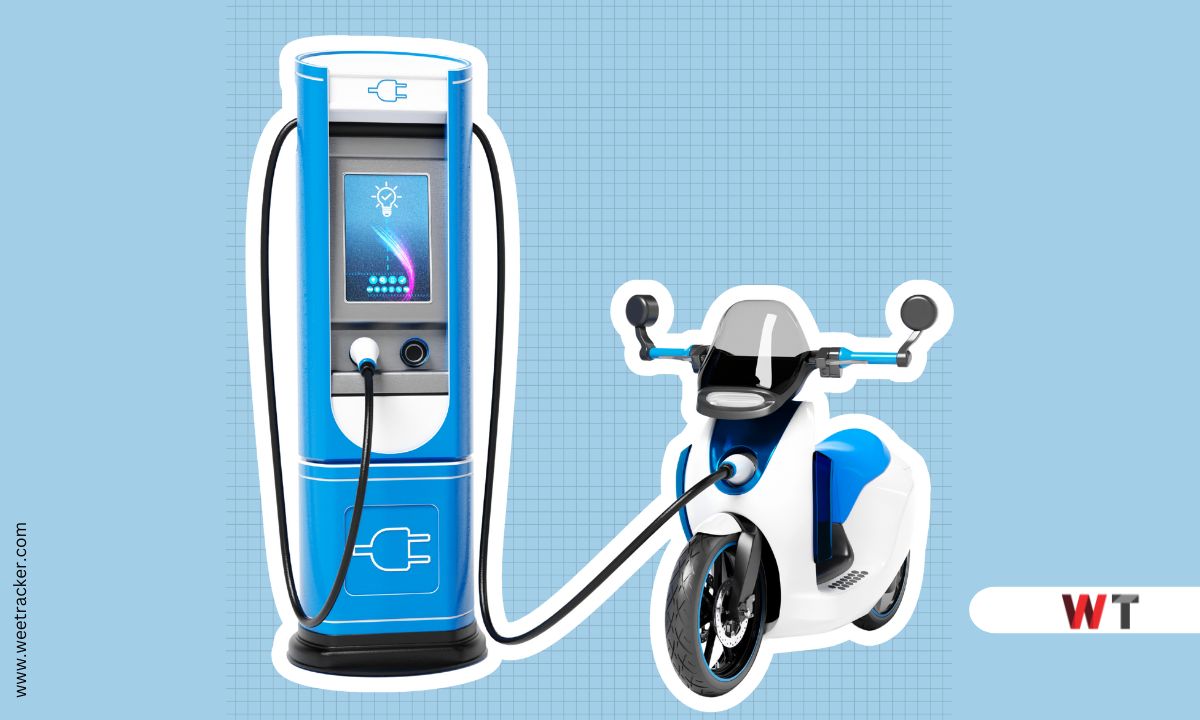
On the ground, momentum still looks small compared with Nairobi or Lagos, but it is building. Dodai is one visible example. The company has raised multi-million dollar rounds and is pushing battery swap stations and local assembly to make electric two-wheelers practical for delivery riders and taxi drivers.

Sasaki frames these as patient, practical moves. “For investors, success in Ethiopia depends on partnership and patience,” he notes. “The most effective strategies involve working closely with local teams, understanding the nuances of regulation, and building relationships with government and financial institutions.”
Other Ethiopian startups have also begun to close meaningful rounds, from climate-focused ventures to payments platforms that are trying to connect local businesses to global e-commerce rails.
***
Real risks remain, however. Currency volatility and foreign exchange shortages complicate exits. Some reforms are recent and fragile. Institutional investors watch governance, transparency and the pipeline of enforceable exits before writing large cheques. International companies that have entered Ethiopia have learned this the hard way; telecom and banking entrants have absorbed startup costs and regulatory surprises that show why careful local knowledge matters.
What helps explain why some investors are moving from cautious to curious are stories they can relate to. A startup that builds battery-swap stations solves a practical problem for thousands of riders. A payments company that links a small export business to global rails shows how scale can happen. Those concrete outcomes make the abstract reforms feel real.
Sasaki puts it plainly. “Because Ethiopia is still an emerging destination for venture capital, entrepreneurs must spend time educating investors,” he says. “They must explain not only their business model, but how the ecosystem operates, why it is changing, and the immense potential it offers.”
Ethiopia’s history of complex politics and protectionism, and a recent period of instability, gave some investors pause. But at the moment, the country resembles a sleeping giant waking up after years of isolation and opacity.
As Yuma notes, the perceived opacity often masks a dynamic and exciting business culture. For now, that culture is what may finally get foreign investors to stay and build.
Featured Image Credits: Nisarg Desai