Walk into a co-working space in Nairobi or Lagos or any big city across Africa, and you’ll hear it. People talk about currency pairs, market swings and the latest on the US dollar. Not long ago, forex trading was something only banks or big investors did. Now, it’s everywhere. Every day, people, small business owners and entrepreneurs are getting in on it. Forex is booming in emerging markets, and Africa’s right in the thick of it.
This isn’t just happening out of the blue. Technology has made it easier than ever, the economic landscape is shifting, and there’s a whole new generation that feels at home in the digital, global world. For these markets, the rise of forex isn’t just a passing fad; it’s a sign that the way people handle money, manage risk, and chase opportunity is changing fast, especially with the uncertainty out there.
Why forex’s global reach matters on the ground
Understanding forex trading is simple at its core: You’re trading one currency for another. But the scale is massive; it’s the world’s largest financial market, operating around the clock and linking economies worldwide. For countries that rely on global trade, that’s a big deal.
Think about it: African economies depend on selling raw materials, buying everything from fuel to equipment and attracting foreign investment. All of that hinges on currency values. When local currencies start to swing, people want to know what’s going on and how to take control.
For business owners, this stuff gets real. Importers need to protect themselves from wild exchange rates. Exporters want to make sure they’re actually making money. Even freelancers working with clients overseas feel the impact when currencies move. Trading directly in forex is a way to stay ahead, not just scramble after the fact.
Tech is opening the door
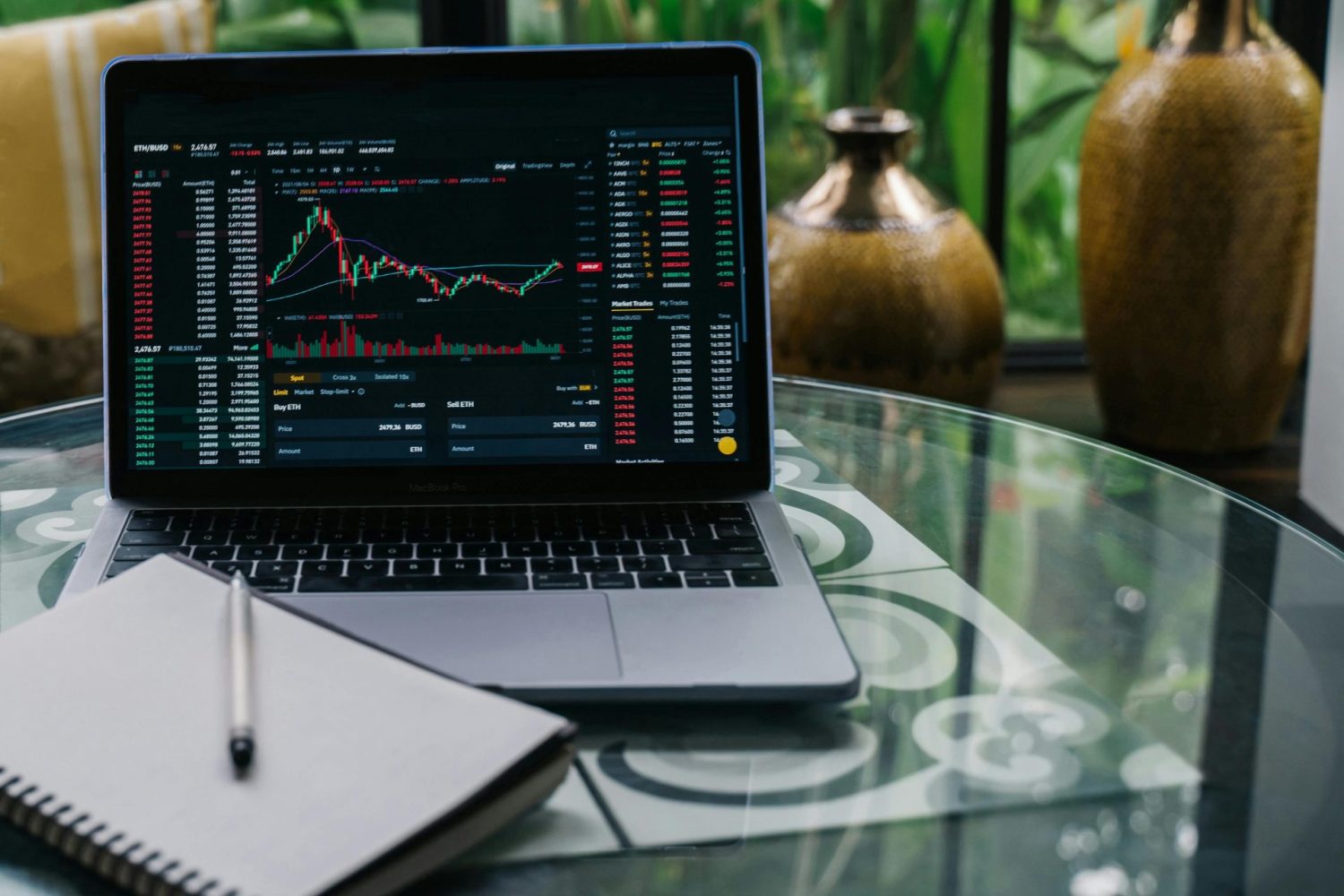
The reason forex keeps spreading? It’s access, plain and simple. Ten years ago, you needed a pile of paperwork, a good chunk of cash and probably some insider connections to start trading. Now, all you need is a smartphone and a reliable internet connection.
Online platforms changed everything. They’re easy to use, packed with tutorials and they give you a ticket to global markets that used to be off-limits. Lots of these platforms let users trade not just currencies but also gold, oil and other commodities. They pitch forex as part of a bigger toolkit, so people can spread their bets instead of putting everything on one asset.
Young people are driving the boom
Africa’s population is young, one of the youngest in the world. That’s a huge reason forex is taking off. Young people are tech-savvy, quick to learn online and always on the lookout for new ways to make money.
With traditional jobs lagging behind the growing population, many young Africans are looking for side gigs or ways to carve out their own paths. Forex fits right in. It’s flexible, you can do it from anywhere, and if you put in the work, you can get better at it.
Social media just adds fuel to the fire. Traders post their wins, losses and tactics on YouTube, X, Telegram and so on. Sure, there’s plenty of bad advice floating around, but these online communities make forex feel less intimidating and more accessible to anyone.
Market impacts on forex interests
Emerging markets experience greater volatility than most developed economies. Inflation flares up, currencies lose value overnight, and politics often throw in a wild card. All of this hits people’s savings and day-to-day business pretty hard.
That’s why more folks are turning to forex trading, not just to chase big wins, but to protect what they have. Some traders just want to protect their savings or offset losses elsewhere.
The most traded commodities
Gold and oil really matter in Africa. Many economies here either dig them up or buy them in bulk, so their prices ripple through everything. If you can move between currencies and commodities on one platform, you’ve got a practical way to react when prices swing on the world stage.
People are also getting savvier about forex. It’s happening slowly, but the change is real. Sure, there’s still plenty of confusion, but more traders get it now that you need discipline, solid risk management and a grip on reality if you want to stick around.
Education is key
Local trainers, online courses and even university clubs are helping shift the mindset. Some brokers are pitching in too, building educational tools that actually make sense for locals; no abstract lectures, just real-world examples in plain language.
This stuff matters. Informed traders don’t bail after one bad trade. The more people understand, the less forex feels like a lottery, and the more it becomes a skill you build for the long haul.
Regulation in a global financial world
But the growth of forex isn’t just about individual wins or losses. It’s a sign that more people are stepping into the global financial world. That kind of participation can spread financial know-how and give people a sharper sense of how global events hit home.
Still, it’s not all smooth sailing. Regulators in Africa are scrambling to keep up. They need to protect people, but if they clamp down too hard, they could kill off innovation. With more people trading every day, there’s a real need for clear rules and smarter trading habits.
Feature image supplied