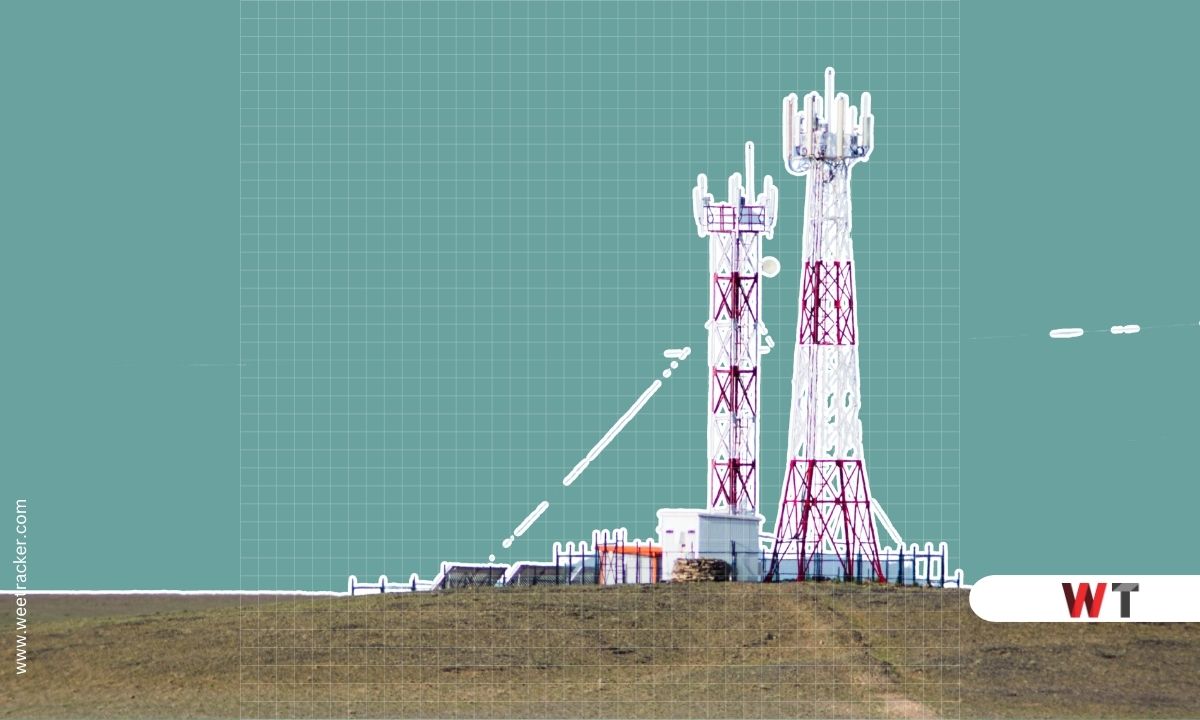
Digital payments are growing rapidly across Africa, but connectivity isn’t keeping pace. From city markets to rural fuel stations, businesses regularly face internet outages, network congestion, and unreliable power. In these moments, a payment terminal that stops working due to an internet outage can result in hours of lost sales.
Offline POS systems solve that problem. They enable businesses to continue accepting payments, whether by card, QR code, or mobile money, even without an active internet connection.
Once the network is restored, all stored transactions are automatically synchronized and settled. In Africa, where infrastructure challenges can interrupt business at any moment, this kind of reliability is a necessity.
How Do Offline POS Systems Work?
An offline POS terminal temporarily saves payment information on the device and completes the sale locally. When connectivity returns, the data syncs with the central payment system for confirmation and settlement. This process ensures that transactions are never lost, even in the event of network failure.
Modern offline POS devices are designed with these realities in mind. Providers such as AvadaPay have developed systems that not only process payments but also support everyday business operations like inventory management, cash register functions, and digital receipts. They’re built for real-world conditions, where a business might operate online for half the day and offline for the other half.
Across Africa, that flexibility matters. According to the Institute of Development Studies, African countries experienced 190 internet shutdowns between 2014 and 2024.
GSMA reports that 78% of Sub-Saharan Africa’s population remains unconnected to mobile internet, and rural residents are 54% less likely to use mobile internet than their urban counterparts. Even where coverage exists, affordability remains a barrier; 1GB of data costs around 15% of monthly income for the lowest-income users.
In this environment, expecting every business to rely solely on connected payment systems simply isn’t realistic. Offline POS bridges that gap, keeping commerce running when the internet doesn’t.
Why Offline POS Systems Matter in Africa
According to the Economic Commission for Africa, 80% of Sub-Saharan Africa’s economy is driven by SMEs, and around 70% operate in the informal sector. These businesses form the backbone of trade, from market stalls and retail shops to transport and hospitality. Most of them operate in areas with unstable connectivity or limited broadband access.
Offline POS systems give these businesses a lifeline. They prevent downtime, ensure accurate record-keeping, and help build confidence in digital payments. When a merchant knows that transactions won’t fail mid-sale, they are far more likely to adopt and trust digital solutions.
For payment service providers and banks, it also reduces friction; fewer failed transactions mean happier customers and stronger merchant relationships.
How AvadaPay Keeps Businesses Transacting
AvadaPay offers POS solutions tailored to Africa’s distinct business landscape. Each terminal supports mobile money, card, and QR payments, and can continue processing sales even during network interruptions. Once connectivity is restored, transactions are automatically reconciled in real-time.
In addition, AvadaPay’s Bulk SMS service sends SMS notifications to merchants and customers once payments are confirmed, ensuring transparency and trust even in low-connectivity zones. This combination of offline reliability and instant communication reflects a practical understanding of how businesses really operate across the continent.
Vadim Mildov, Executive Chairman at Velex Group, notes that offline capability is not simply a backup but a reflection of how real commerce works in Africa. AvadaPay, a Velex Group portfolio company, was built on this principle, creating a payment infrastructure that enables businesses to keep transacting regardless of connectivity or location.
Conclusion
Africa’s digital economy doesn’t grow by replacing cash overnight. It grows by making digital payments dependable for everyone, everywhere. Offline POS systems play a critical role in that transformation.
For businesses expanding across Africa, choosing a payment service provider that understands both infrastructure challenges and customer behavior is key. AvadaPay combines online speed with offline reliability, enabling businesses to accept payments, send transaction alerts, and settle across 20+ markets through one unified platform.
When connectivity fails, your payments shouldn’t.