A clean-cooking company that powered kitchens for hundreds of thousands of low-income families has abruptly collapsed, laying off its entire 700-person workforce and shutting off fuel supplies overnight. The fall of KOKO Networks, a once-celebrated Kenyan startup, reveals the fragility of climate-tech ventures built on complex global finance and vulnerable to a single regulatory decision.
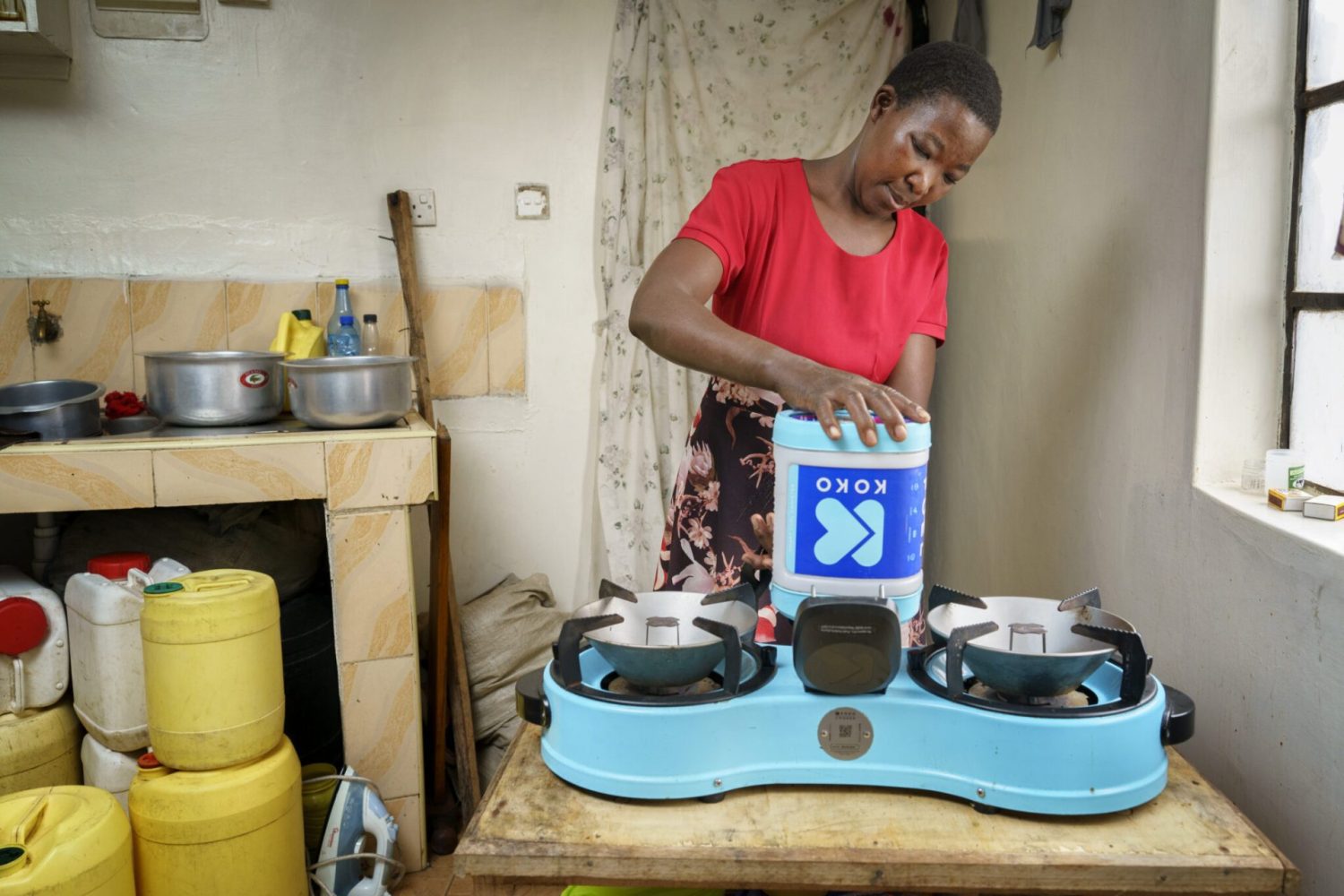
Founded in 2013, KOKO Networks aimed to revolutionise cooking in urban Africa. It built a vast physical network of more than 3,000 automated fuel-dispensing “KOKOpoints” installed in corner shops across Kenya. Households would buy bioethanol—a cleaner-burning fuel—in reusable bottles at these outlets for as little as KES 100.00 (around 78 cents) per liter, roughly half the market price. The company sold its purpose-built cookers for KES 1.5 K (~USD 12.00), heavily subsidised from a market rate of about KES 15 K (USD 116.00).
This model tackled multiple problems. It offered a cheaper, faster alternative to charcoal, reduced harmful indoor air pollution, and cut down on deforestation. At its peak, KOKO was onboarding an estimated 1,000 new households daily and served an estimated 1.5 million families. Investors, including heavyweights like the Microsoft Climate Innovation Fund and Rand Merchant Bank, poured over USD 100 M in equity and debt into the venture, seeing it as a flagship for climate action.
***
KOKO’s ability to sell fuel and stoves far below cost was financed by the international carbon market. This was the core of its business model. By switching households from charcoal to bioethanol, KOKO generated verified reductions in greenhouse gas emissions. Each tonne of emissions avoided was certified as a carbon credit.
These credits were sold to companies and governments abroad, like airlines in compliance offset schemes, to help them meet their climate goals. These “compliance market” credits could sell for around USD 20.00 each, a key revenue stream.
The income from selling these credits was used to cover the gap between KOKO’s costs and the subsidised prices paid by its customers. In essence, global carbon finance was directly funding affordable, clean cooking for Kenyans.
This entire financial architecture depended on one critical document; a Letter of Authorization (LOA) from the Kenyan government. Under international climate rules (Article 6 of the Paris Agreement), a country must authorise a company to sell carbon credits representing emissions reductions on its territory.
According to multiple reports, the Kenyan government declined to issue this letter to KOKO. While the exact reasons are part of private discussions, sources indicate a dispute over the control and sharing of benefits from the carbon credit revenues.
The refusal was catastrophic. Without the LOA, KOKO could not sell its carbon credits on the primary compliance markets. Overnight, the revenue funding its subsidies vanished. Following two days of crisis meetings, executives concluded the business was no longer viable. On January 31, 2026, operations stopped, staff were told not to come to work, and customers received a terse SMS informing them of the shutdown.
***
Over 1.5 million families must now find a new, likely more expensive and polluting, way to cook. Energy experts warn of a widespread return to charcoal, reversing gains in public health and forest conservation. Meanwhile, more than 700 direct employees and thousands of shop agents who operated KOKOpoints have abruptly lost their livelihoods.
The collapse may also trigger a massive financial liability. In 2024, the World Bank’s Multilateral Investment Guarantee Agency (MIGA) provided a USD 179.6 M political risk guarantee to back KOKO’s expansion. With the company alleging a government action led to its failure, Kenyan taxpayers could face a potential claim reported to be as high as KES 23 B (~USD 179 M).
Ultimately, KOKO’s failure exposes the high-wire act of climate-tech ventures in emerging markets. The company built a real, impactful service with strong customer demand but was felled by a breakdown in the intricate, policy-dependent finance that underpinned it.
The fallout could also send a sobering signal to international investors and entrepreneurs betting on Kenya’s “Silicon Savannah” and its ambitions as a green investment hub.